The Nicolis Museum Award goes to Sandro Veronesi, President of the Calzedonia Group
The Business Challenges Award goes to Andrea Dusi, Wish Days/Elation
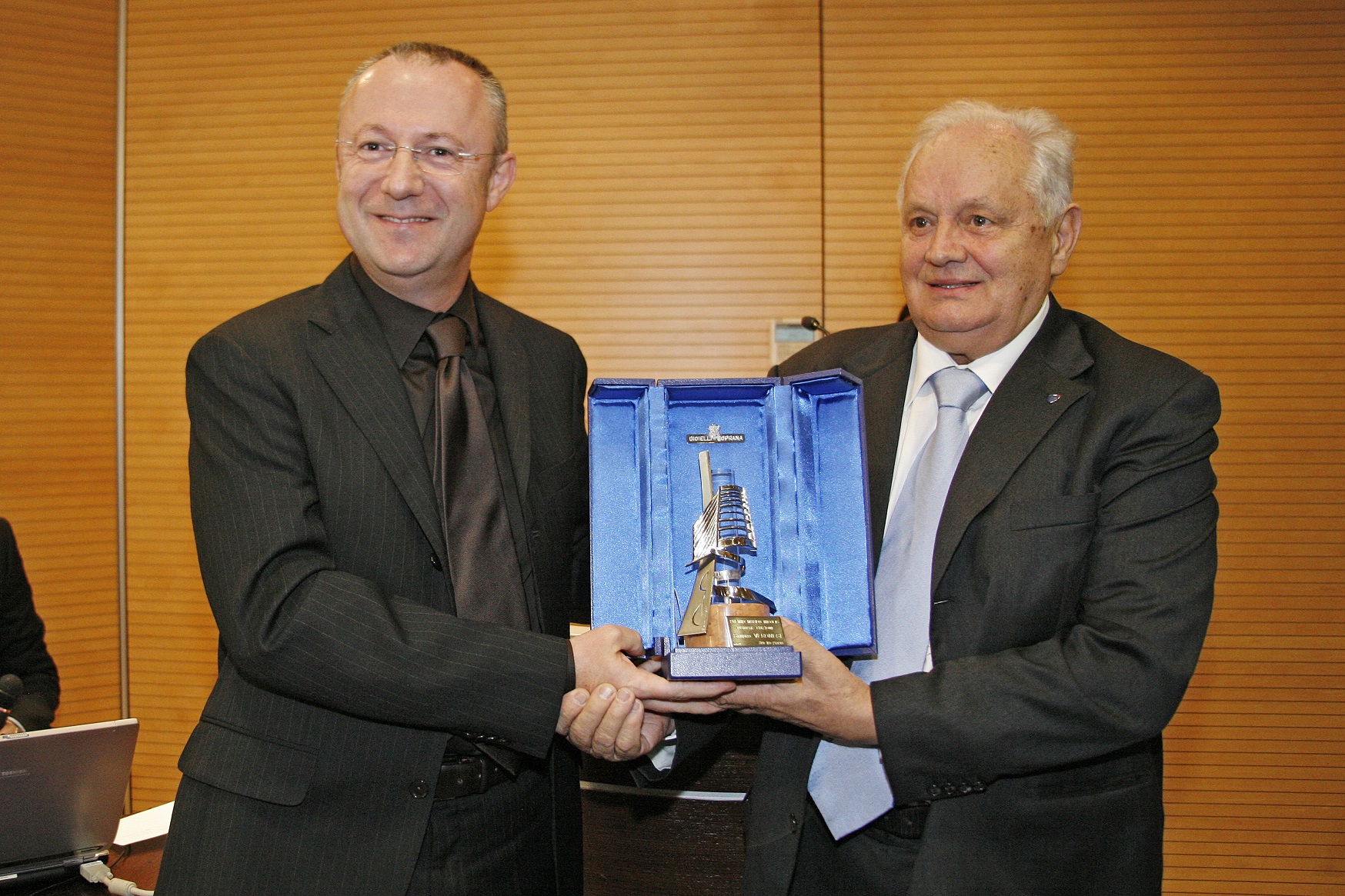
The Nicolis Museum Award goes to Sandro Veronesi, President of the Calzedonia Group
The Business Challenges Award goes to Andrea Dusi, Wish Days/Elation
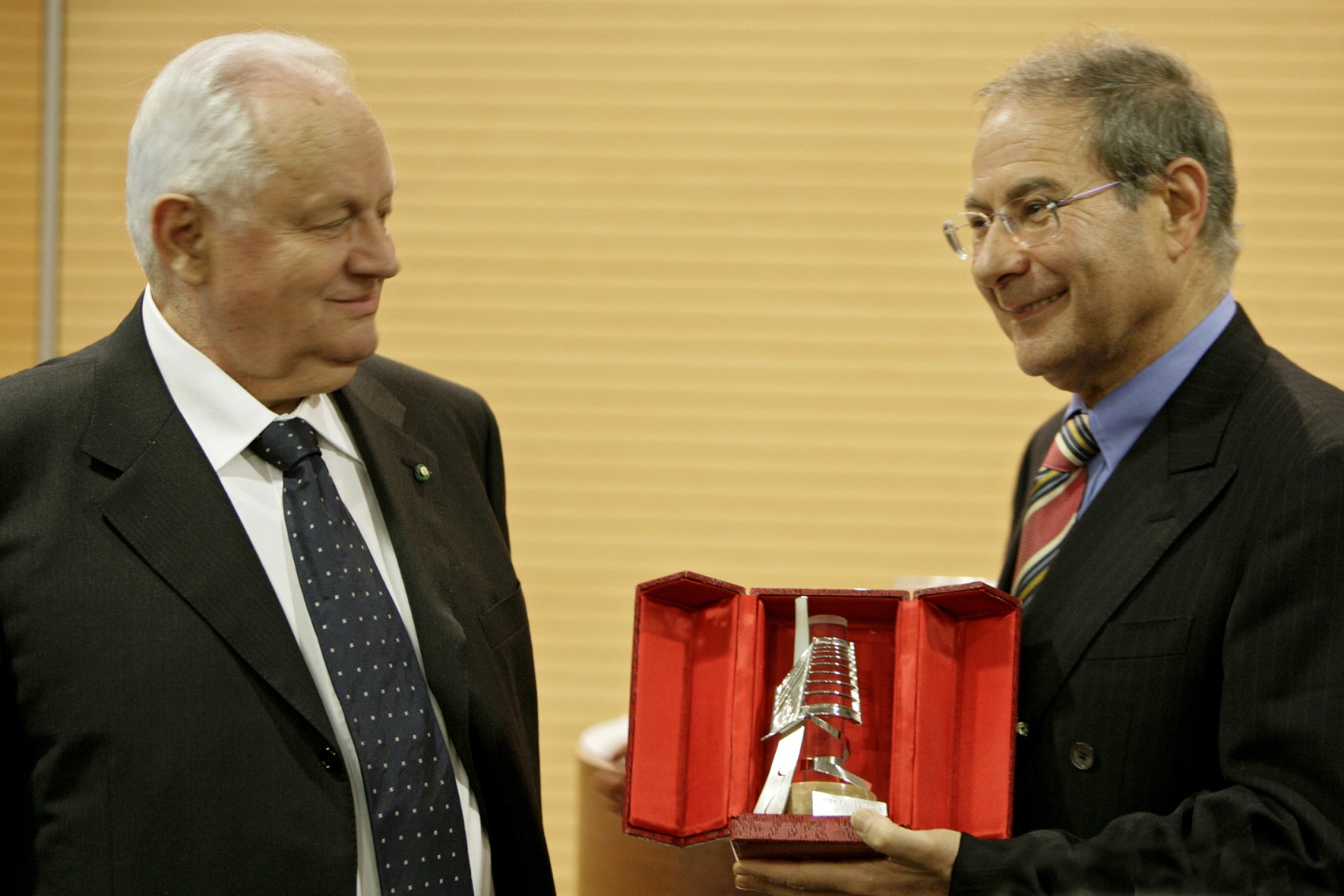
The Museo Nicolis Award goes to Sandro Boscaini, President of Masi Agricola
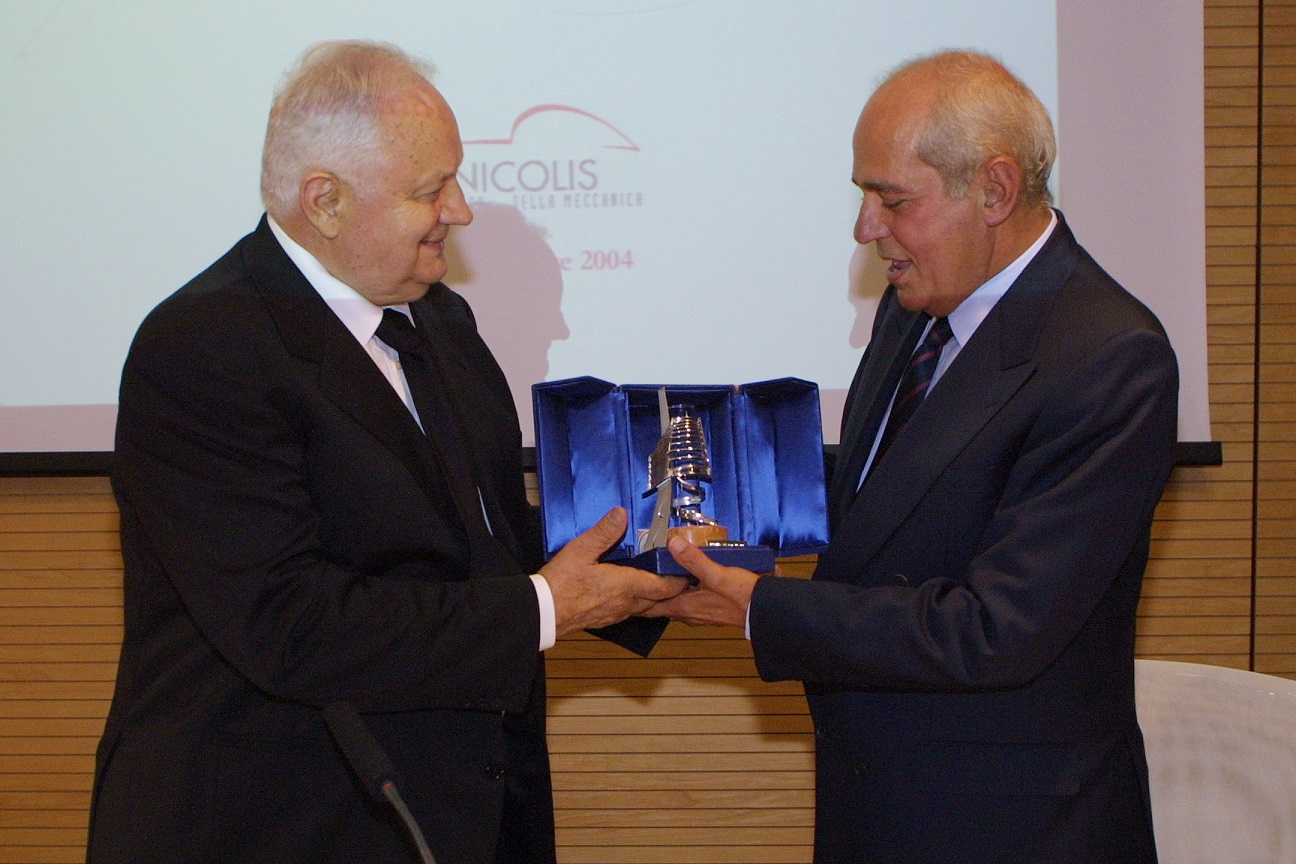
The Nicolis Museum Award goes to Alessandro Fedrigoni, President of Fedrigoni
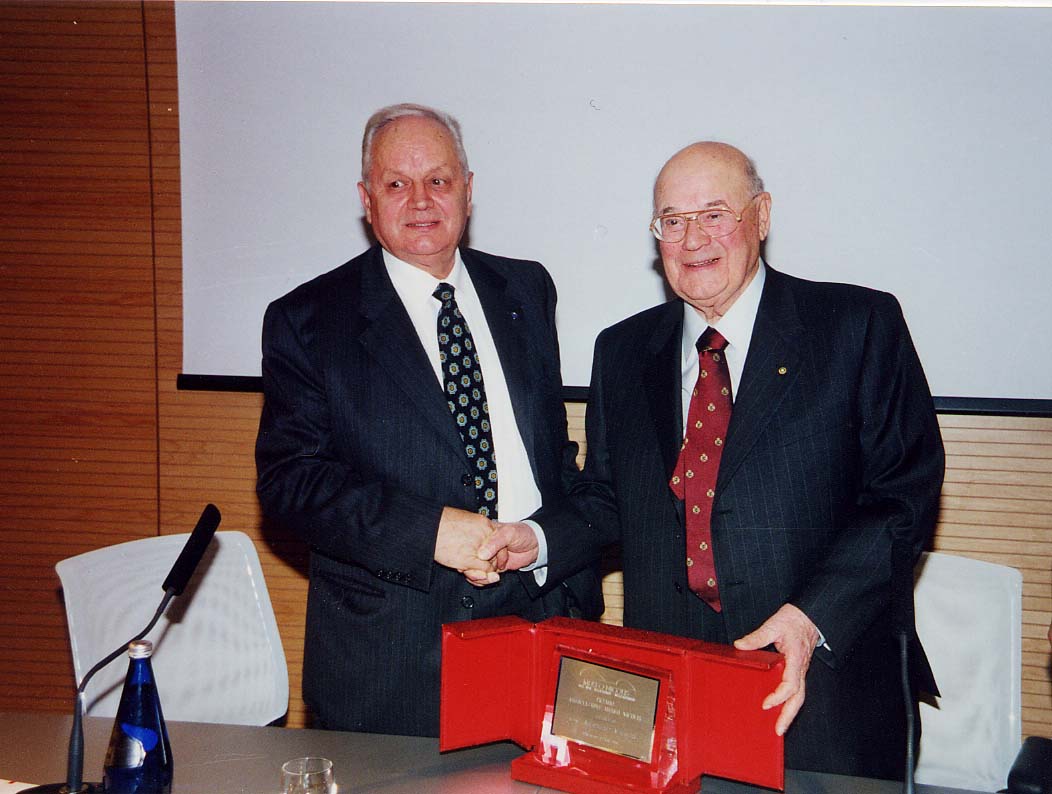
The Nicolis Museum Award goes to Apollinare Veronesi, President of Mangimi Veronesi
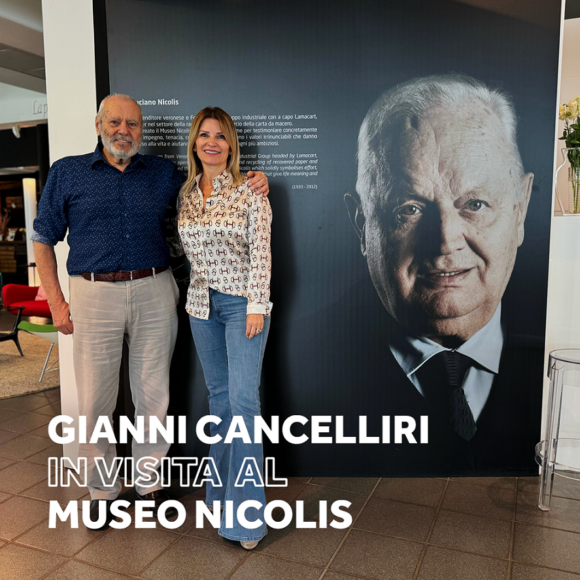
Il nostro caro amico e stimato storico dell’automobilismo, Gianni Cancellieri, è venuto a trovarci al Museo Nicolis
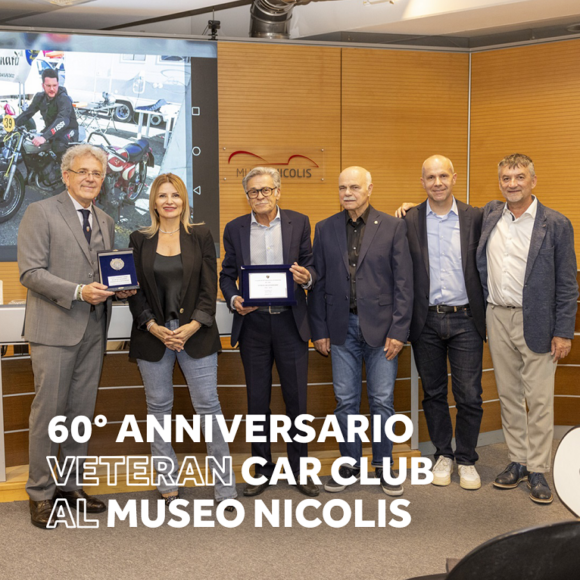
Il Museo Nicolis ha avuto il piacere di ospitare il Veteran Car Club "Enrico Bernardi" di Villafranca di Verona
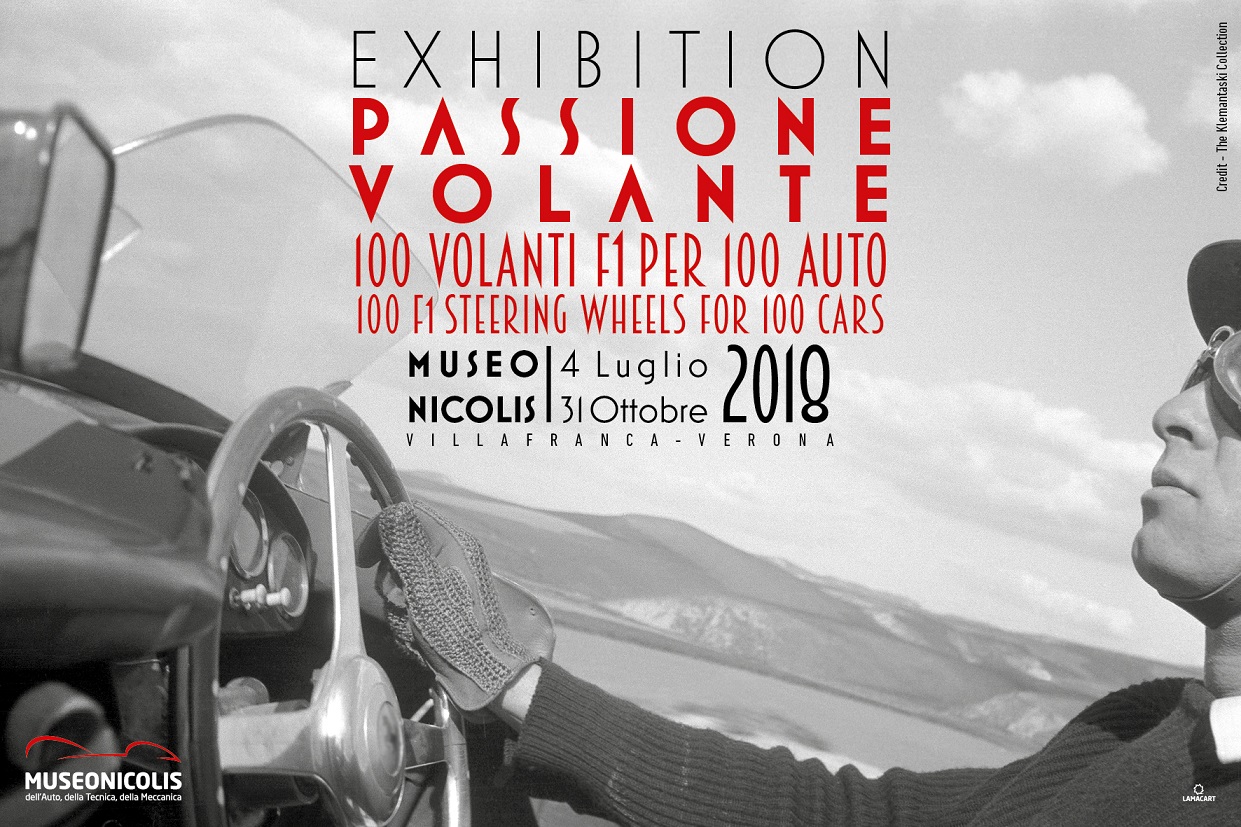
Good thing it’s still there! The stee- ring wheel, I mean. Perhaps it’s the last bastion of the great tradition of the automobile industry, always ready to exploit the march of technology, in the sense that, well, almost everything else has changed about cars.
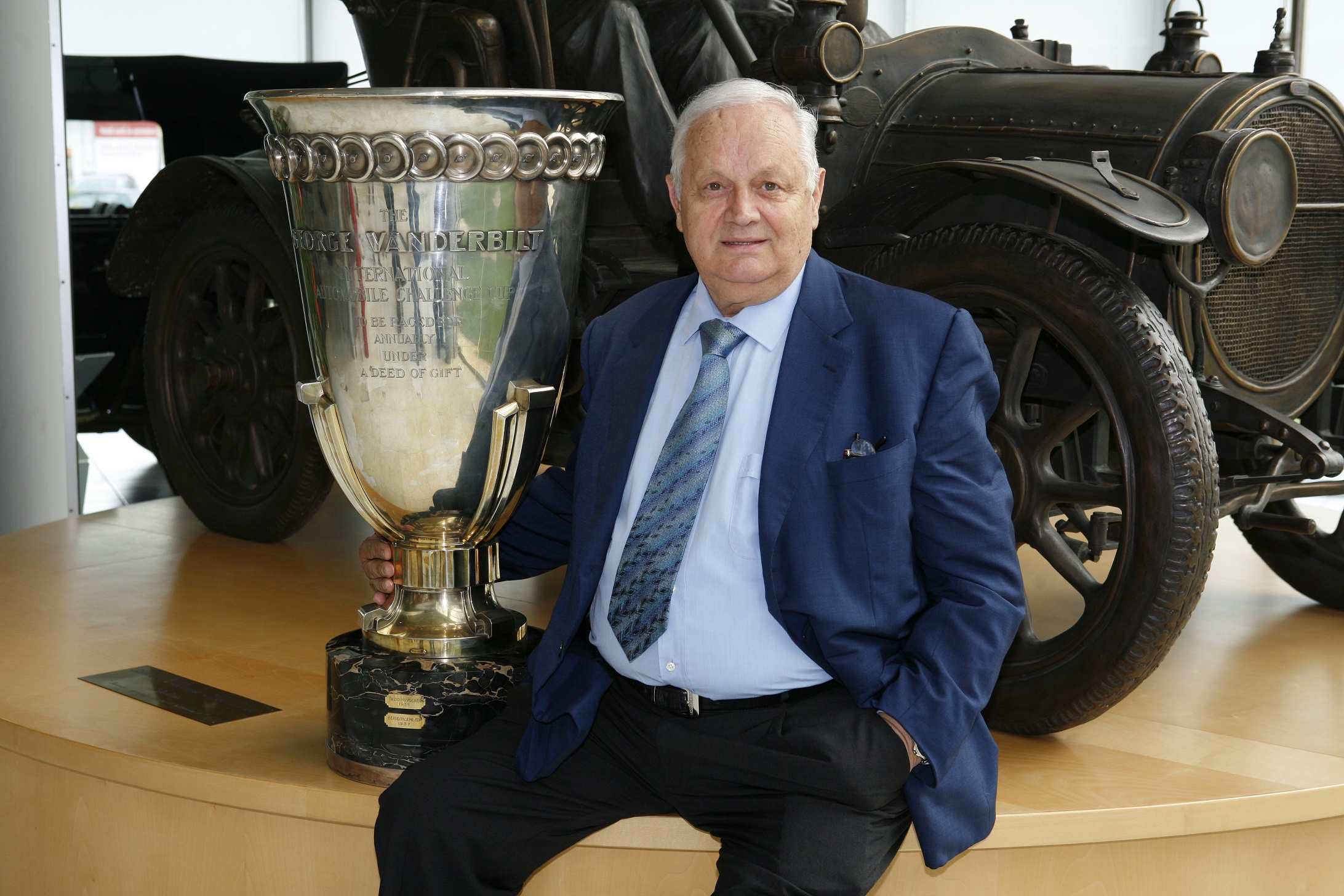
The prestigious automotive Trophy won by Nuvolari in 1936 at the "Roosevelt Raceway", New York
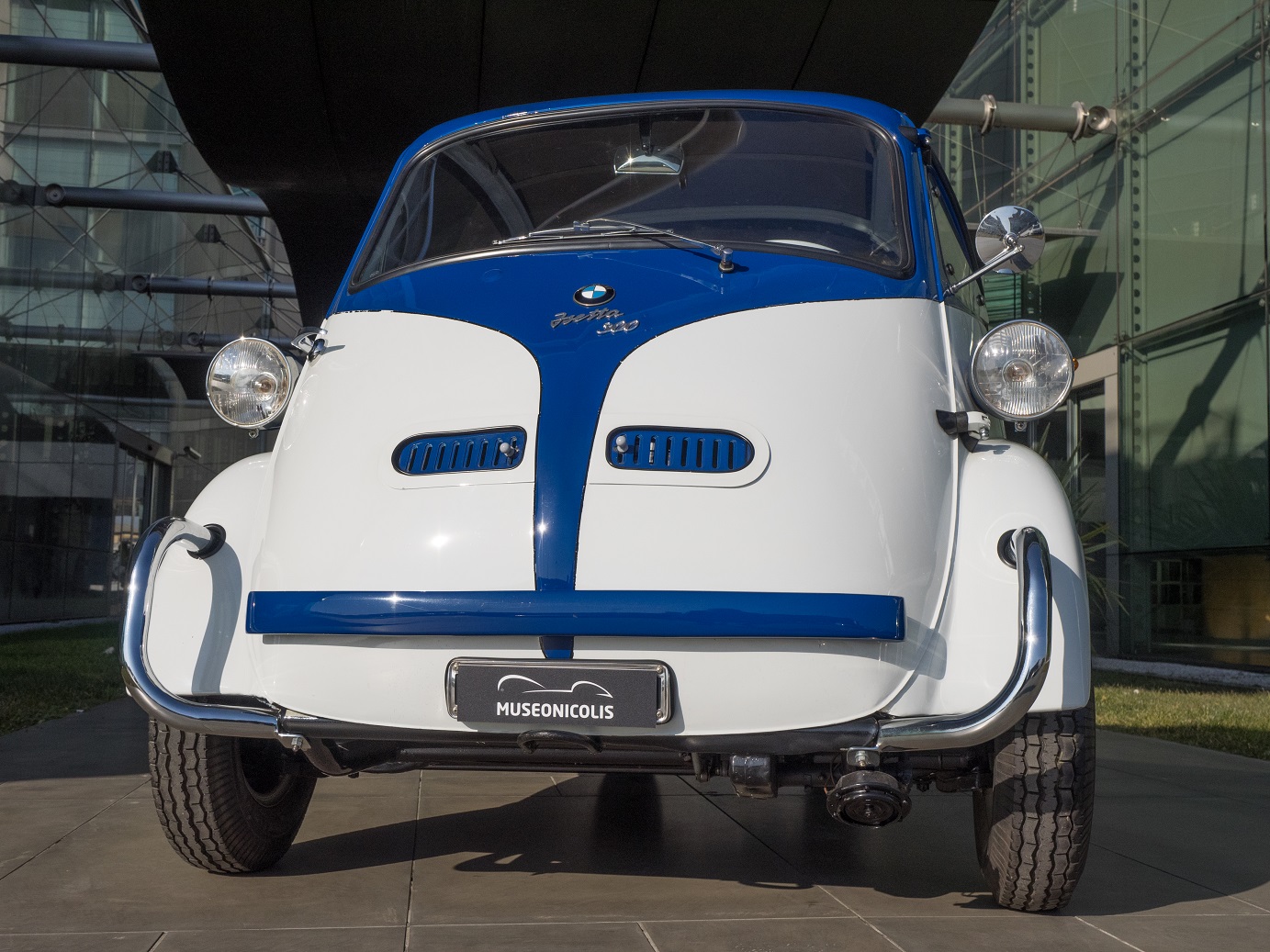
BMW Isetta 300, 1957 The Isetta was introduced in 1953 by Iso Automotoveicoli Spa, a company founded in 1939 with the name Isothermos for the production of heaters and refrigerators. After the war, Iso started manufacturing motorcycles and scooters and later, in the ‘60s, fast GT cars powered by big American V8 engines. In Italy,...
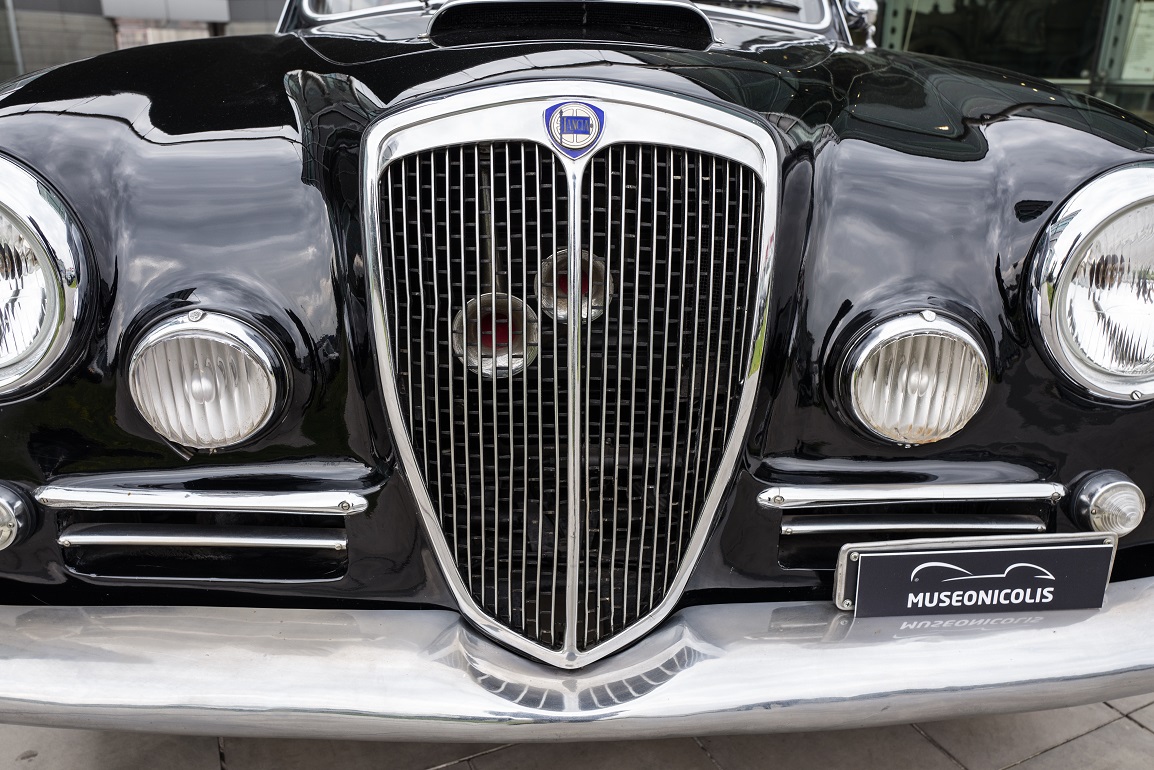
Lancia Aurelia B20 GT 2500, Pininfarina, 1957 Presented at the 1951 Turin Motor Show, the Aurelia B20 was produced by Lancia in 6 series until 1958, and was undoubtedly one of the most popular and best-known Italian grand tourers in the world, not least for having inaugurated the successful 2+2 formula (2 plus 2 seats)...
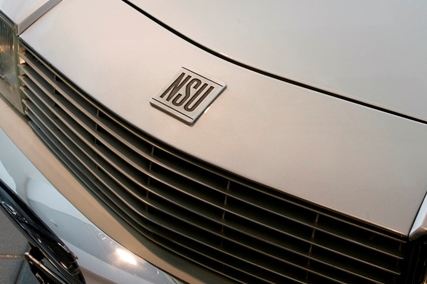
NSU “RO 80″, 1971 The NSU (Neckarsulmer Strickmaschinen Union) was founded in 1873 to produce knitting machines. In 1880 it began to produce bicycles and, by the end of the century, it was producing motorcycles. It began to make cars in 1905 but production was interrupted in 1928 when the Hellsbronn factory was sold to...
Maserati “Indy America 4700”, Vignale, 1970 Driven by Wilbur Shaw, the Maserati 8 CTF won the 1939 Indianapolis 500 and Maserati was the first European (and Italian) car company to win it after Peugeot in 1914. The little Bolognese firm succeeded in what Fiat, Mercedes, Alfa Romeo, and Bugatti failed to. The same car, driven again by Wilbur...
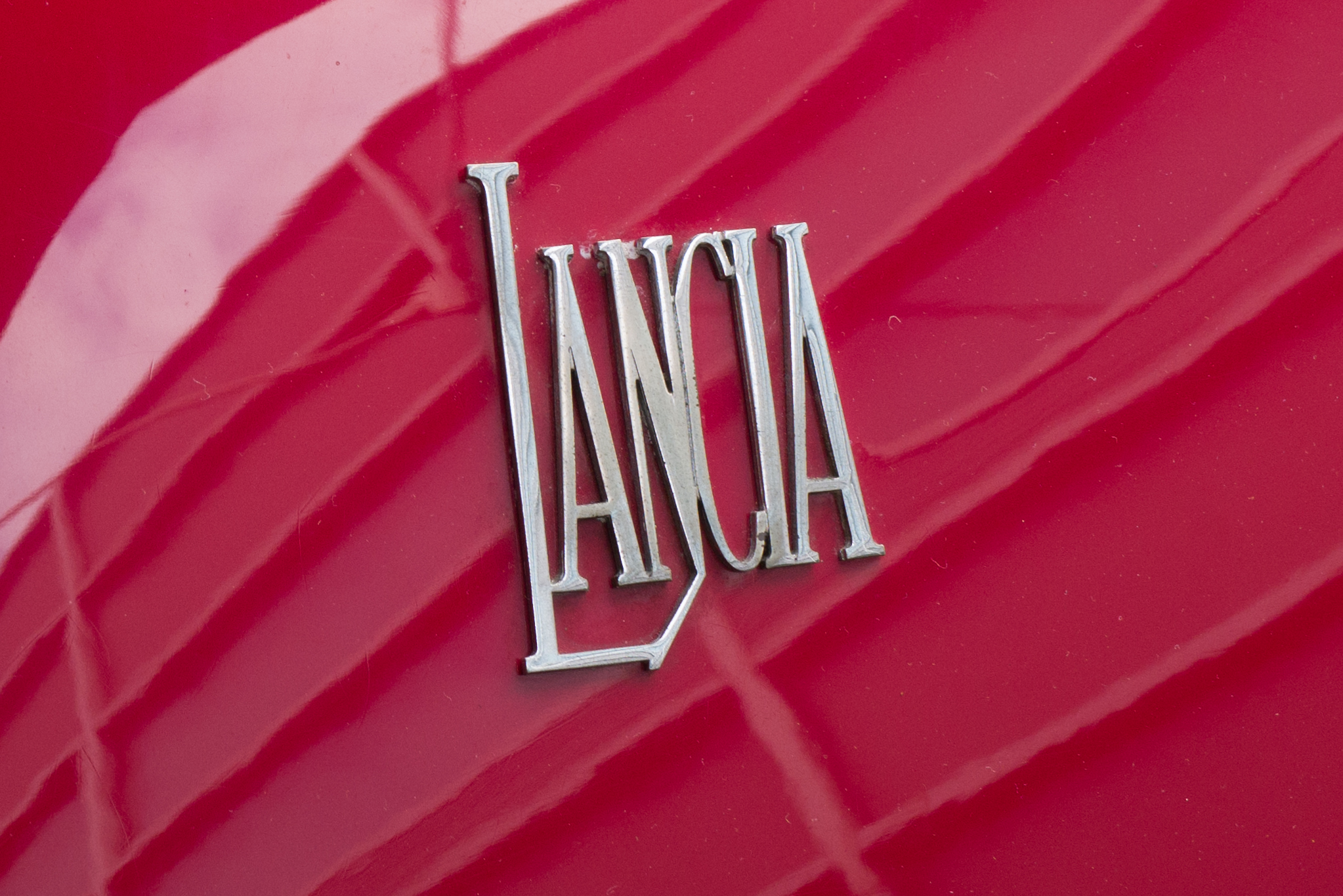
Lancia “Fulvia Sport Zagato 1600”, 1972 The enduring collaboration between Lancia and Zagato started in the mid-50s, when the latter introduced the sports versions of the Appia. Later on, he gave his own sports interpretation of the Flaminia and Flavia models, and finally at the 1965 Turin Motor Show he introduced the Fulvia Sport. Marked...
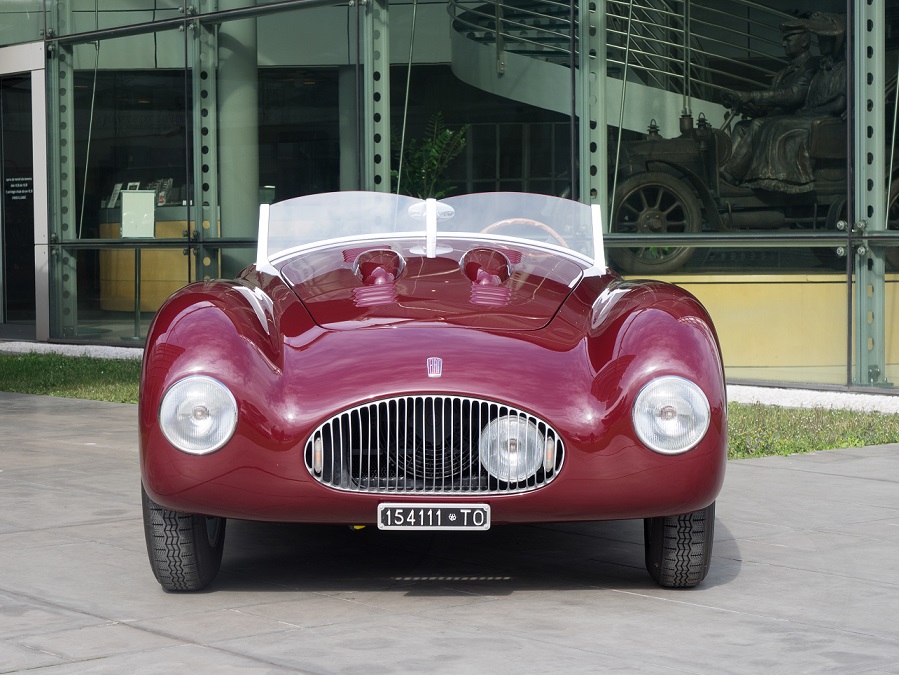
Fiat “1100 Sport Barchetta” Mille Miglia, Motto, 1948 The body of this Fiat 1100 Sport Barchetta was fitted by Rocco Motto from Turin, the frame was modified by Stanguellini in Modena, the engine was tuned and oil cooling tubes were added. This one-off took part in the 1948 Mille Miglia with Pedretti Alessio with no. 395. When the...
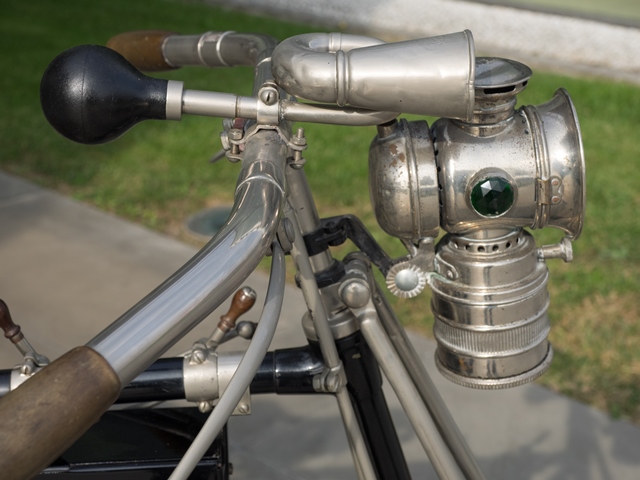
De Dion Bouton, tricycle, 1898, France De Dion Bouton & Co. was founded in Paris in 1883 and initially produced steam boilers that were fitted to the first cars; from 1893 the company started to build internal combustion engines for the automobile industry. The first De Dion Bouton Tricycle was presented in 1895 and is considered the first real...
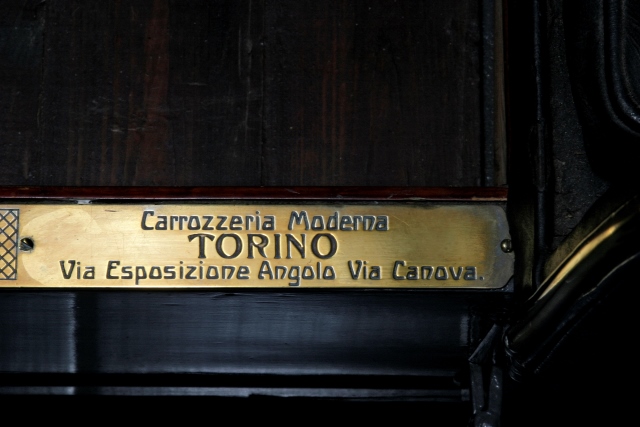
Farina, 4 baquets chassis Giovanni Farina started working in 1896, when he was only twelve, in the body shop of Marcello Alessio in Turin; in 1906 he decided to work by himself and gave birth to one of the most important Italian coachbuilder workshops that remained active until 1951. Even today the bodies produced by...
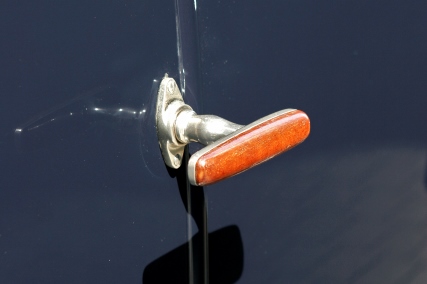
Fiat “512 torpedo”, 1926 Intermediate model of the gamma FIAT, the 512 was presented in 1926 as an evolution of the previous 510, launched in 1919, in the years immediately after the Big War. Despite the basic mechanic was kept, including the side valve motor already gone over, the new version introduced a technical innovation...
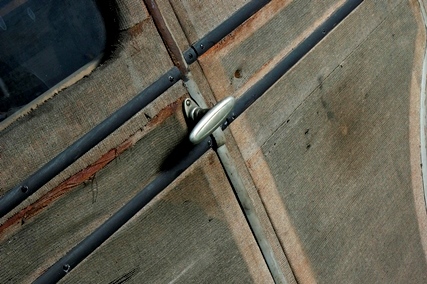
Fiat “509 A Weymann”, 1927, Italy An example of popular car, the 509 was presented in 1925 and updated in 1926 with the “A” version to fix some mechanical issues immediately highlighted. The 509A had a wide spread, thanks also to the variety of bodies offered, among them the Weimann sedan. This type of flexible body...
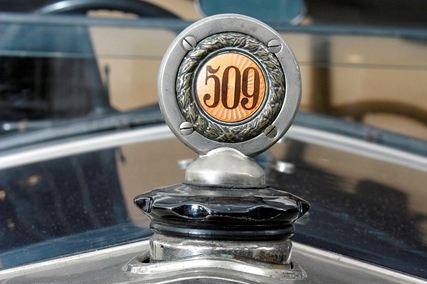
Fiat “509 A spider”, 1929, Italy The launch of the 509 in 1925 was supported by Fiat with the creation of a company (SAVA) which financed the payment by instalments. Finally the car could be declared accessible to everyone, even though the majority of the population was still using the bicycle or at most, the motorcycle. The...
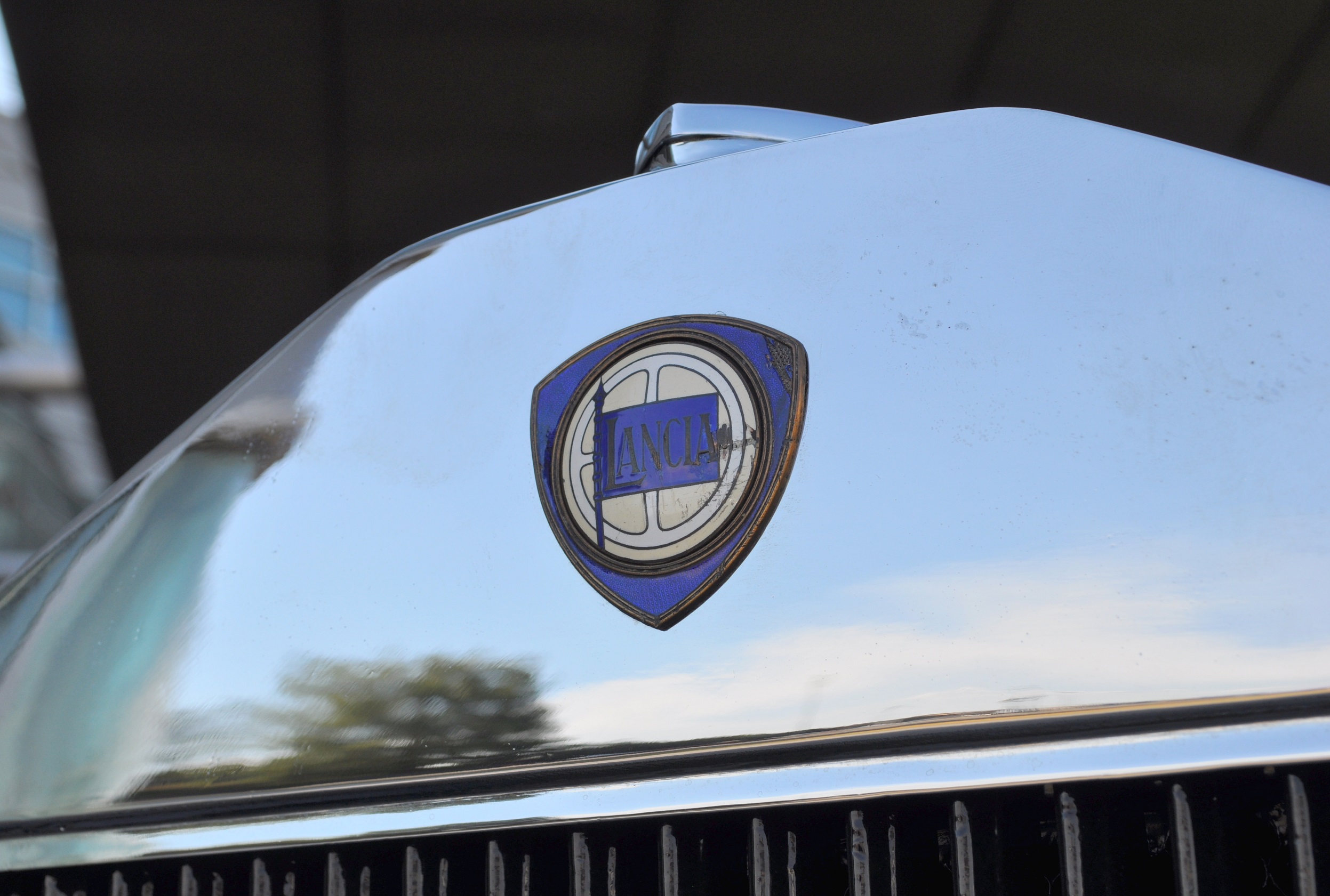
Lancia “Artena II serie” coupé de ville, Cesare Sala, 1933 The Lancia Artena (the same name as an old Lazio village) was introduced at the 1931 Paris Motor Show: the Artena and its older sister, the Astura (presented at the same event) replaced the Lambda and Dilambda models on the market. The Artena was a...
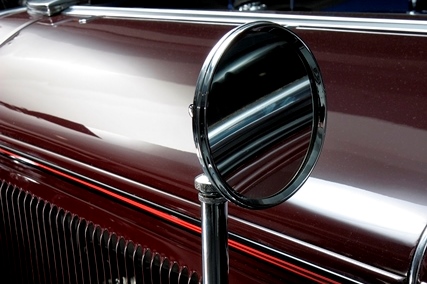
Lancia “Dilambda”, Castagna, 1930 The 5-meter-long Dilambda was Lancia’s flagship until 1931, when the Astura was introduced. Initially designed for the rich American market, the car was modified for the European market and unveiled at the 1929 Paris Motor Show. Unlike the monocoque chassis of the Lambda, the Dilambda had a classic body-on-frame structure, with...
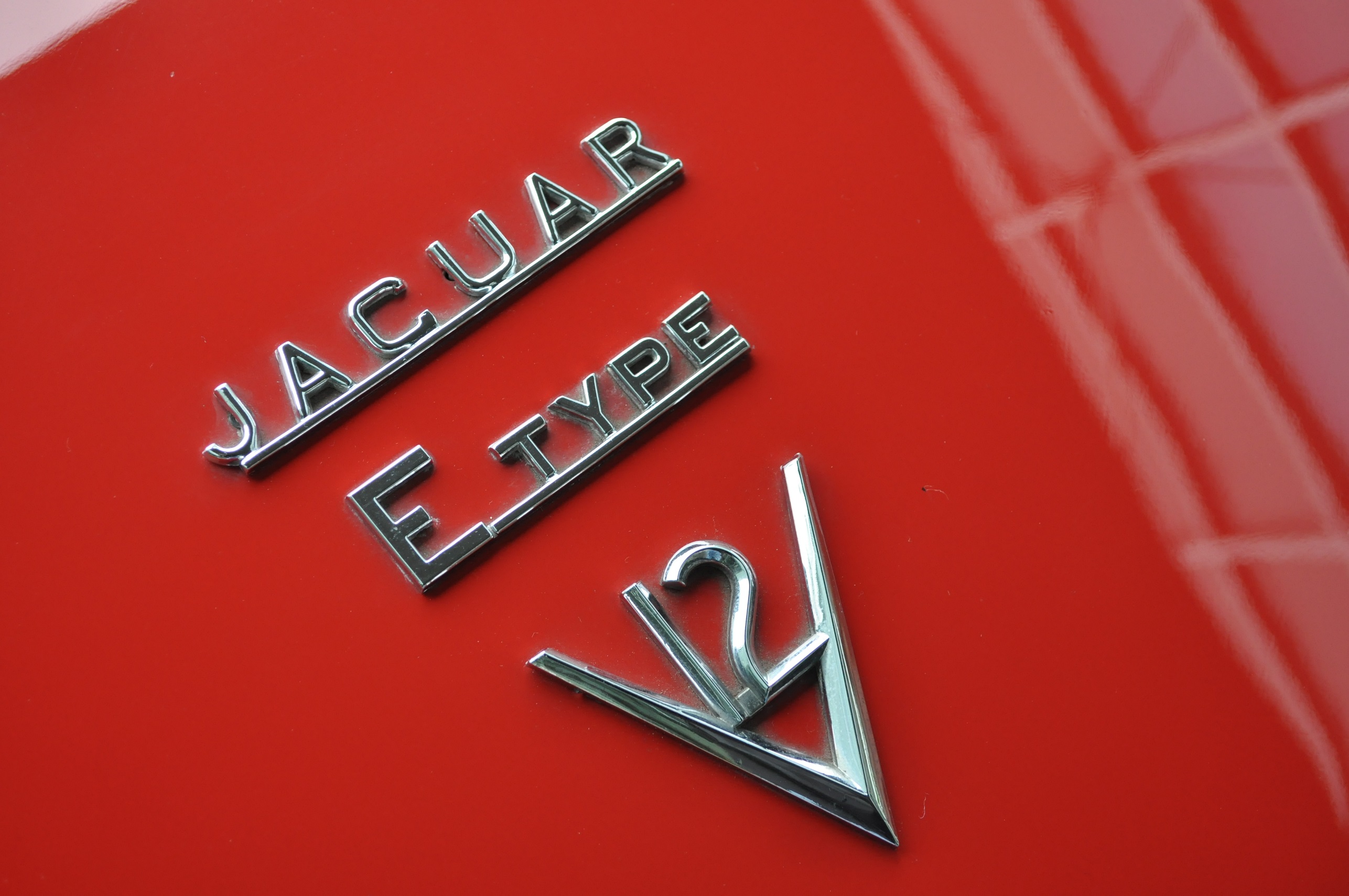
Jaguar “E- type V12 Roadster”, 1973 William Lyons was only 21 years old when he founded the “Swallow Side-Car Company” with William Walmsley in 1922. The initiative was successful and the two partners then started to build special bodywork for custom-built vehicles. In 1926 the first Swallow bodywork on the popular Austin Seven frame was presented. Personalised...
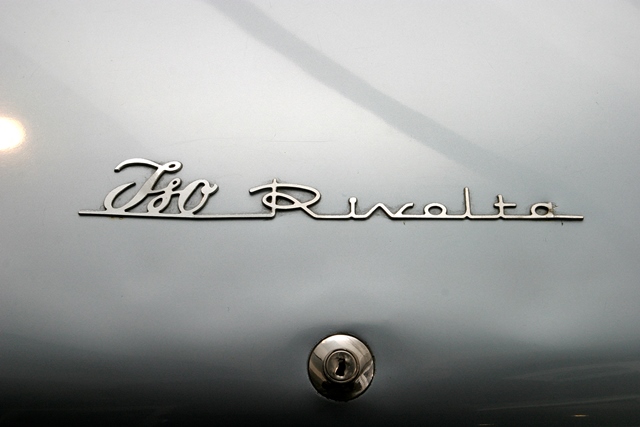
Iso Rivolta “GT 300”, Bertone, 1967 Isothermos was founded in 1939 for the production of refrigerators and heaters. After the war their production turned into motorcycles and the company name changed in Iso Automotoveicoli Spa. In 1953 they presented the famous Isetta, the little two-seat car that had a lot of success in Italy and...
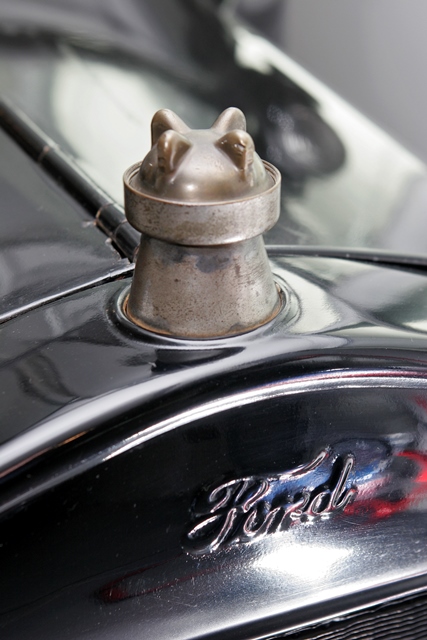
Ford “Model T runabout”, 1917 The Model T the “World Car” that Henry Ford firmly wished, was introduced in the USA in October 1908. This model epitomized Ford’s philosophy: interchangeable body, pedal brake on the transmission and lever brake on the rear wheels, two-speed epicycle gearbox and pedal control reverse. There were three pedals on...