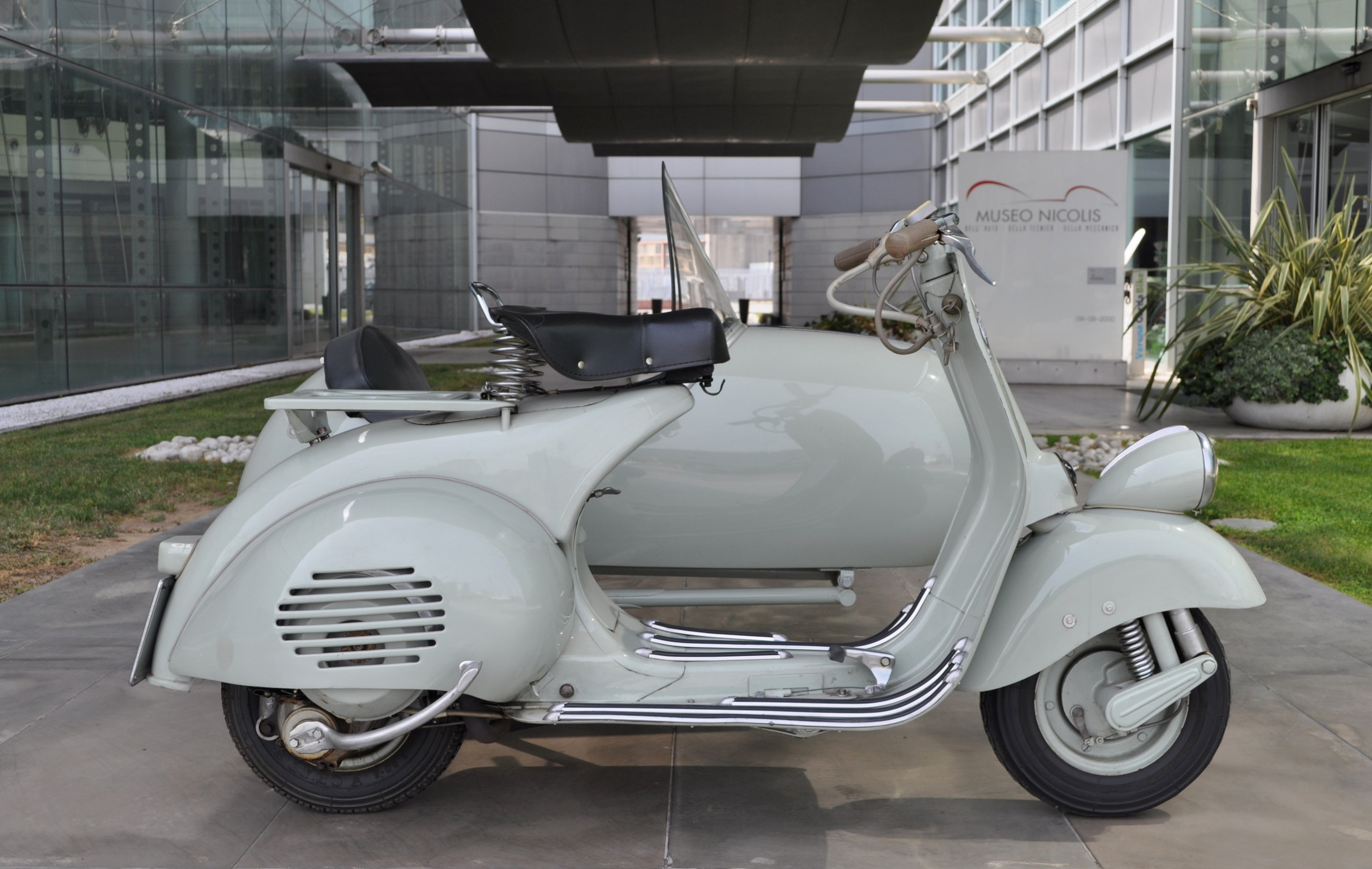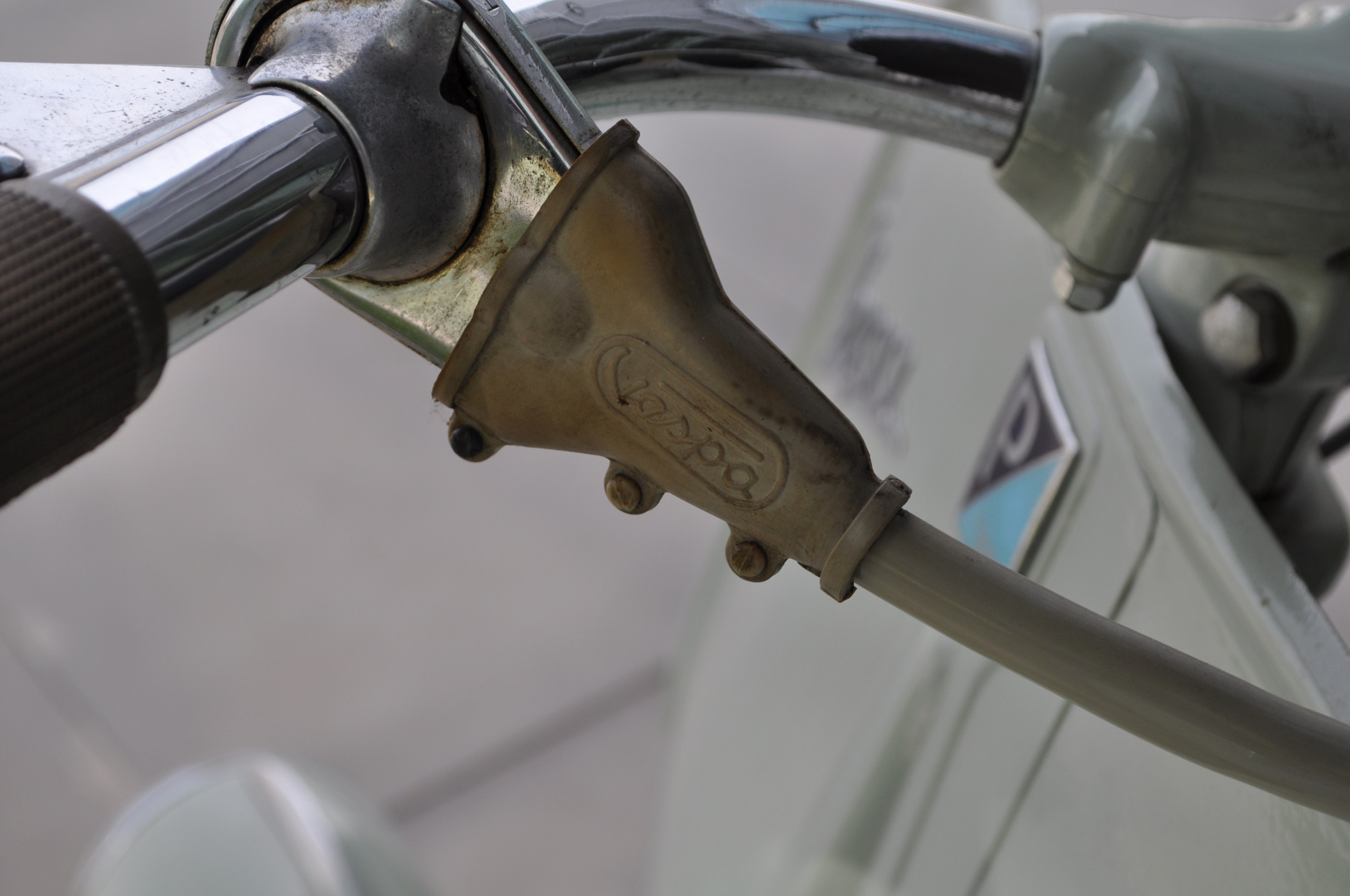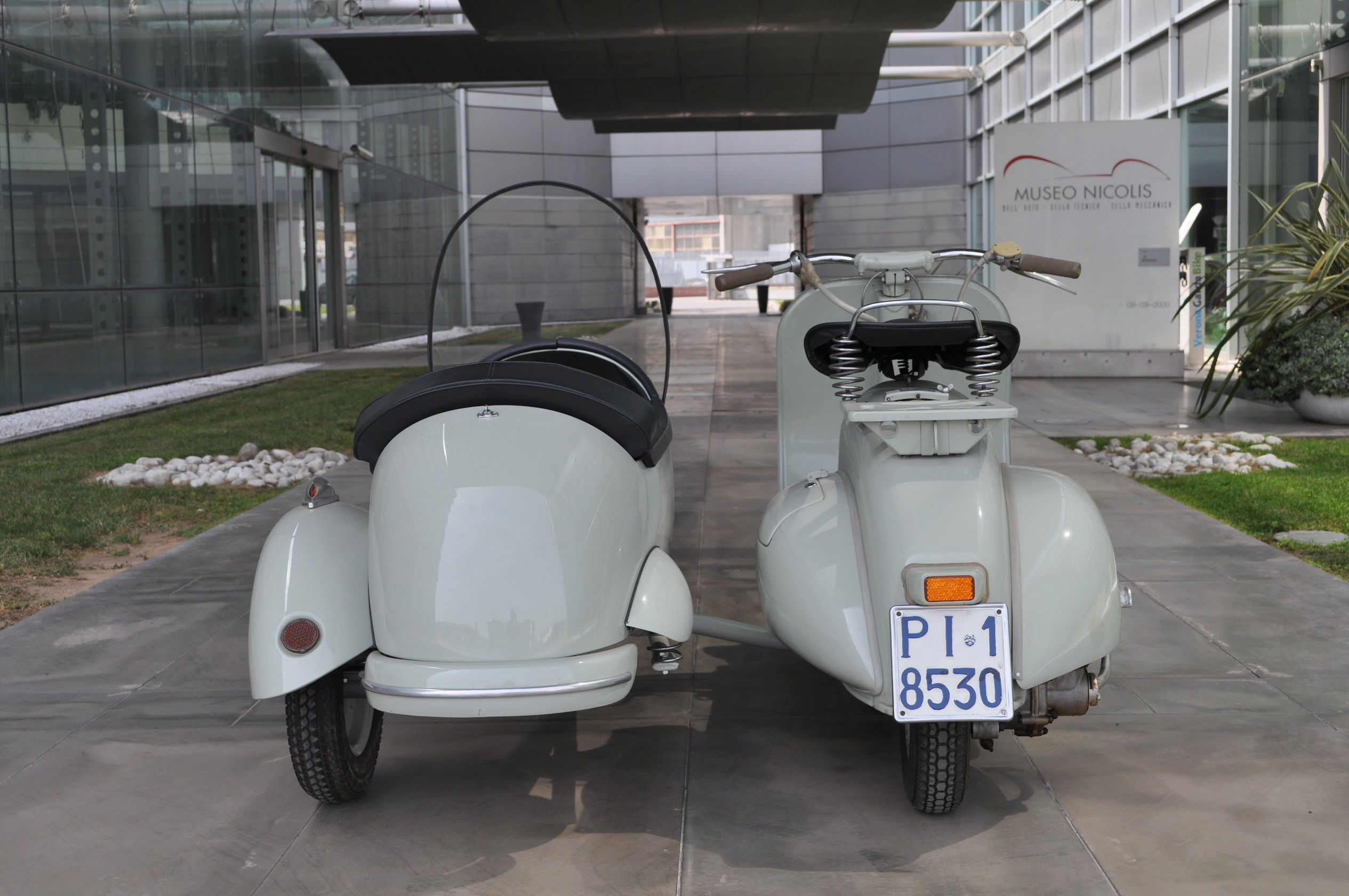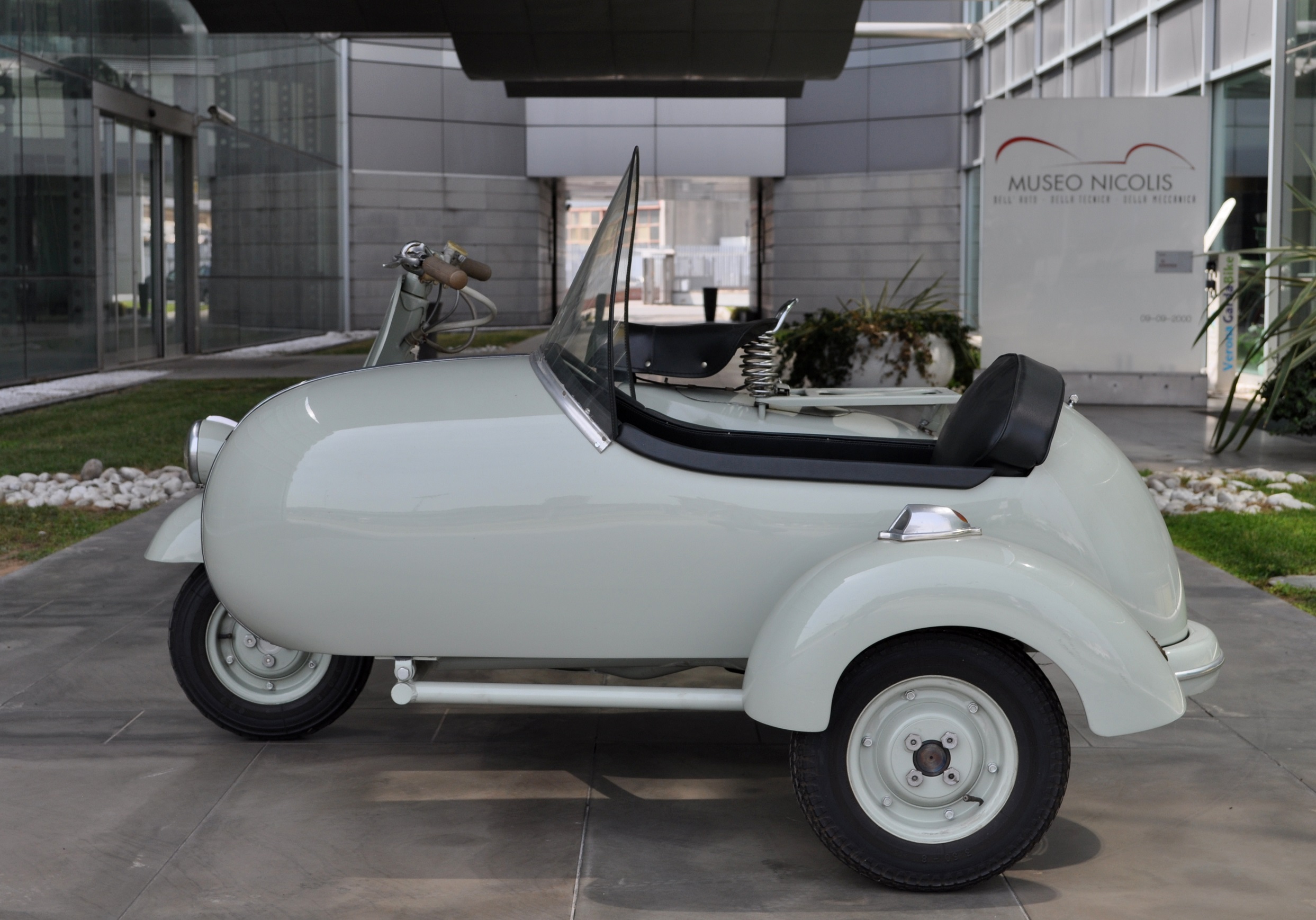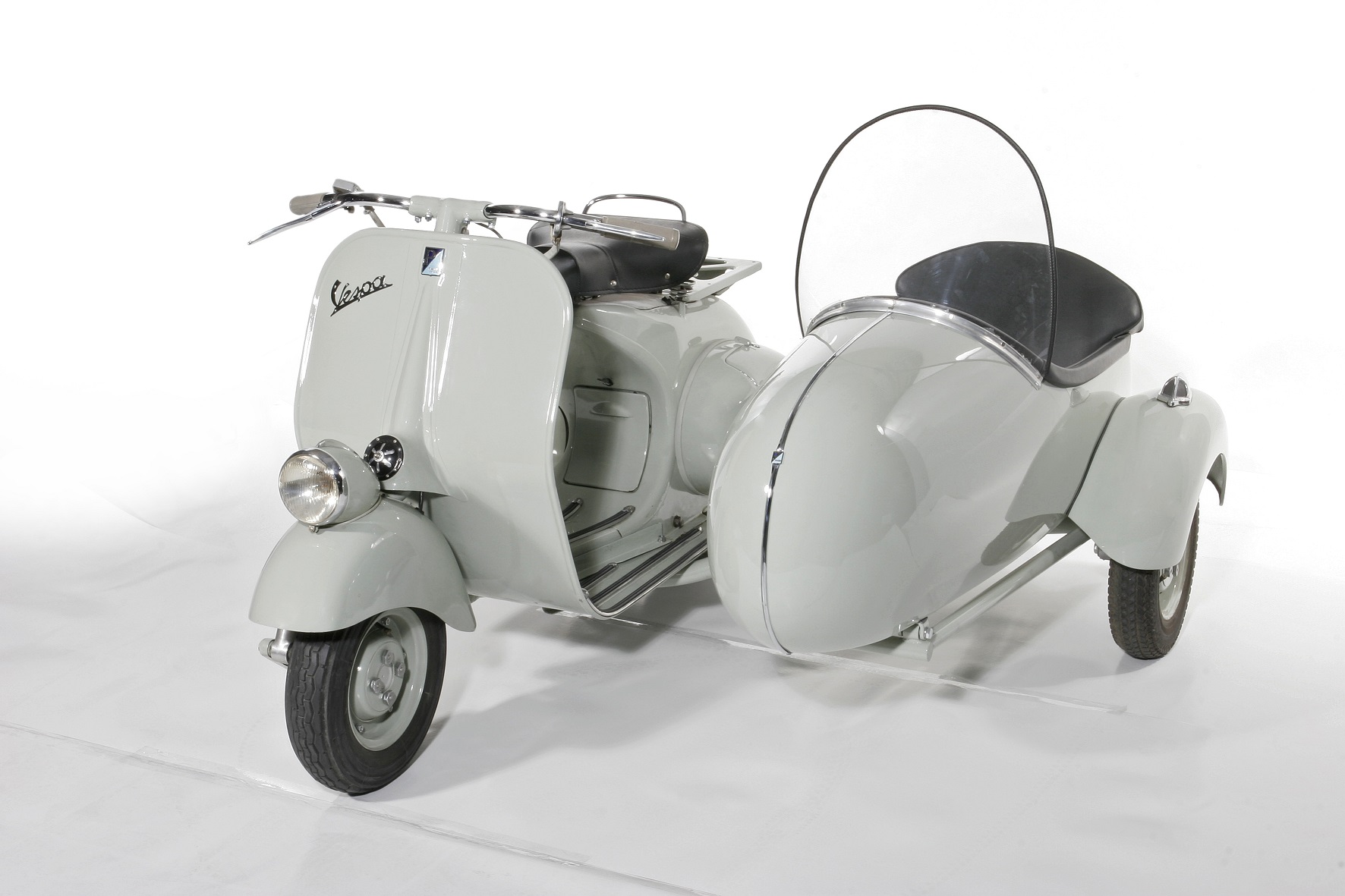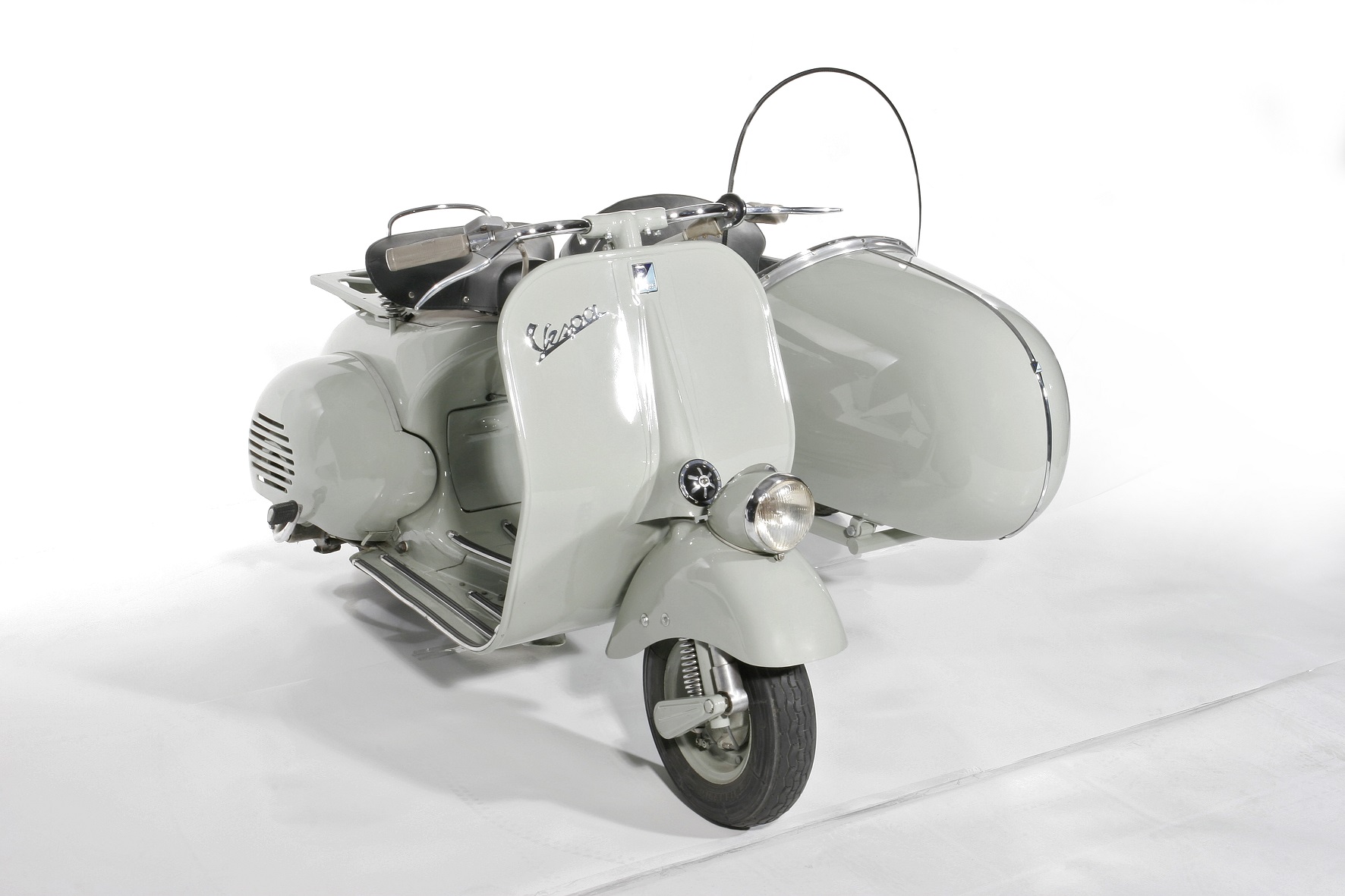
Piaggio, 1953, Vespa with Sidecar

Home / Motorbikes / Piaggio, 1953, Vespa with Sidecar
Veicolo
Marca: Piaggio
Modello: Vespa with Sidecar
Anno: 1953
Marca carrozzeria: Piaggio
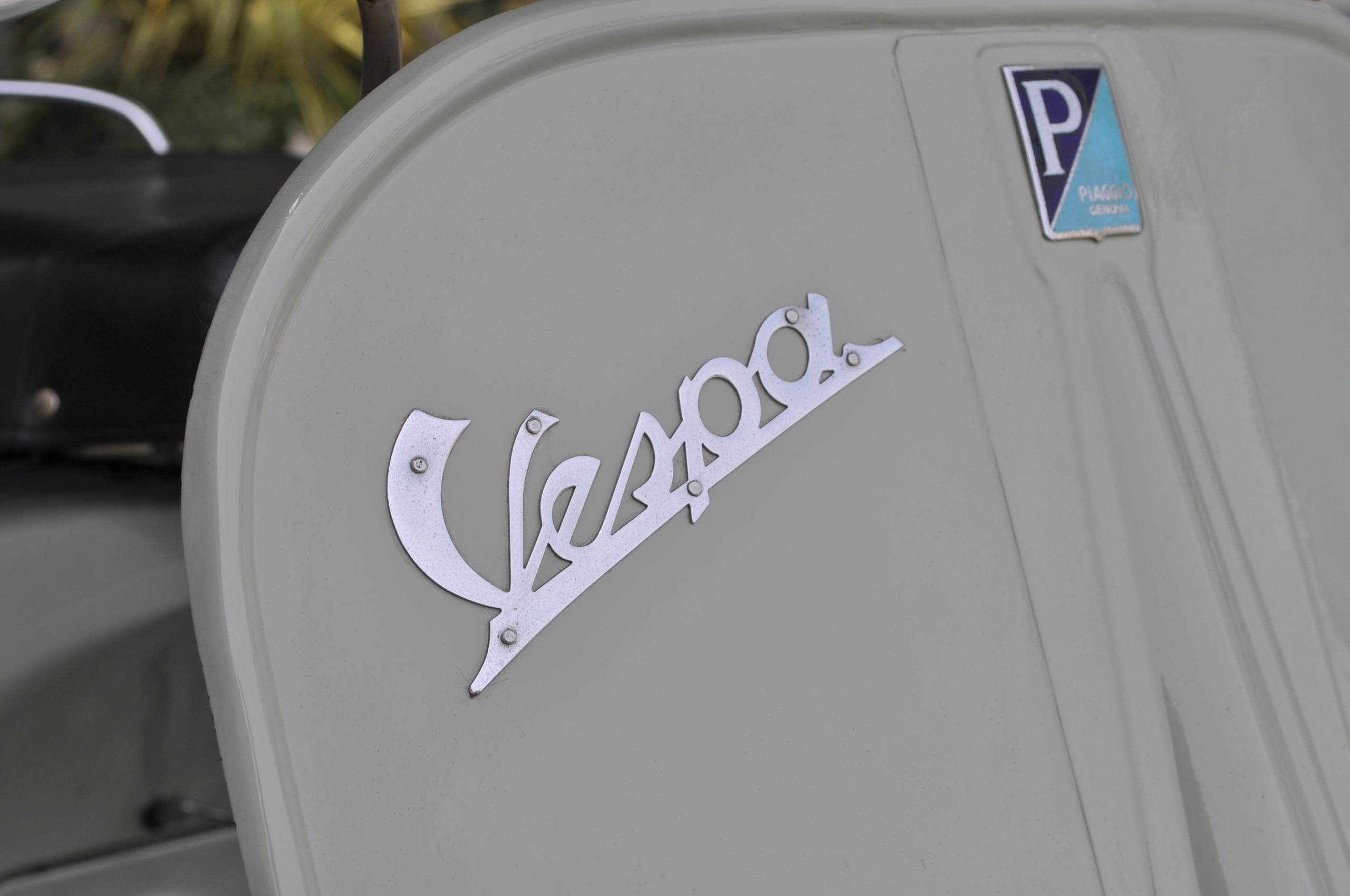
Piaggio, 1953, Vespa with Sidecar

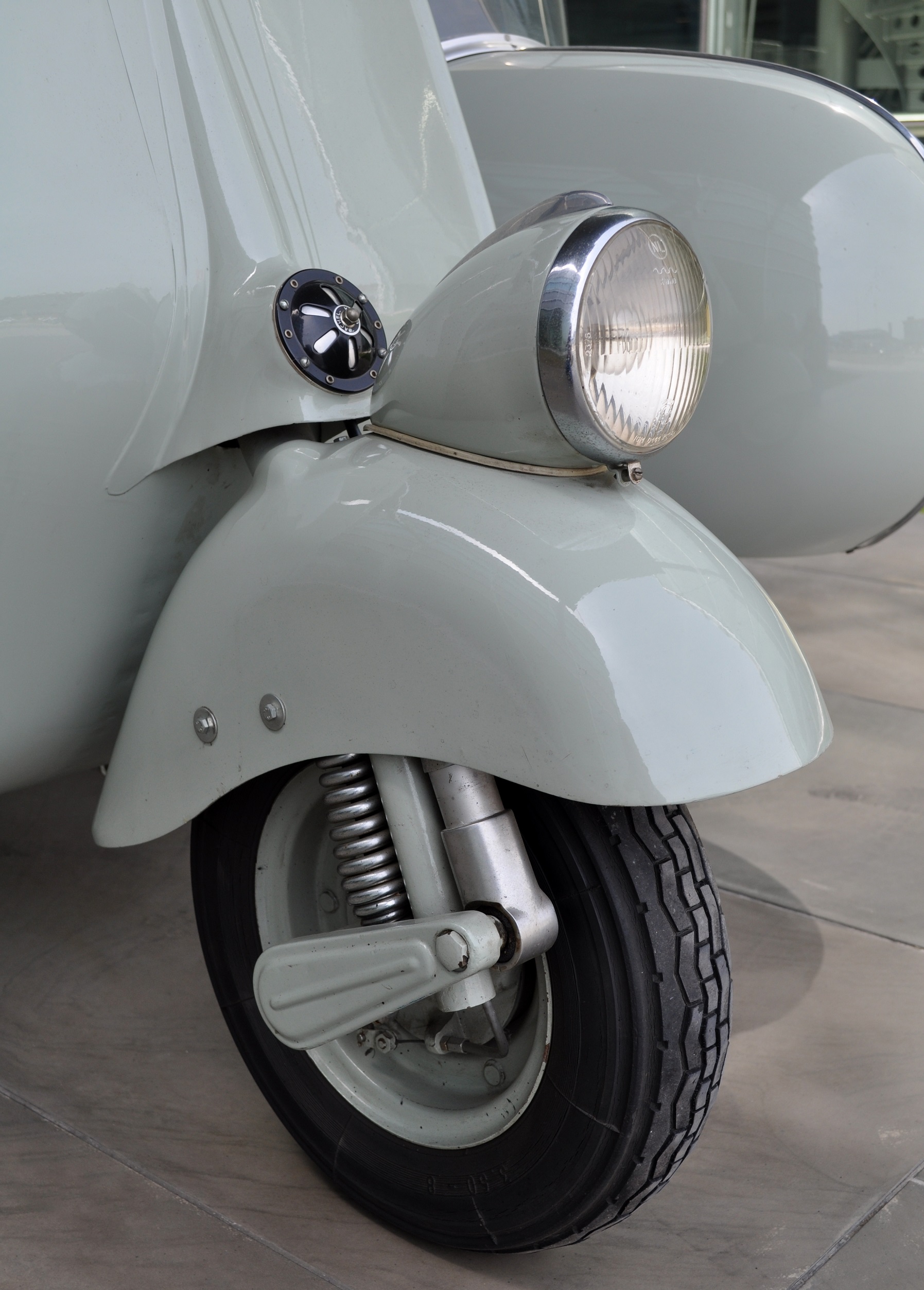
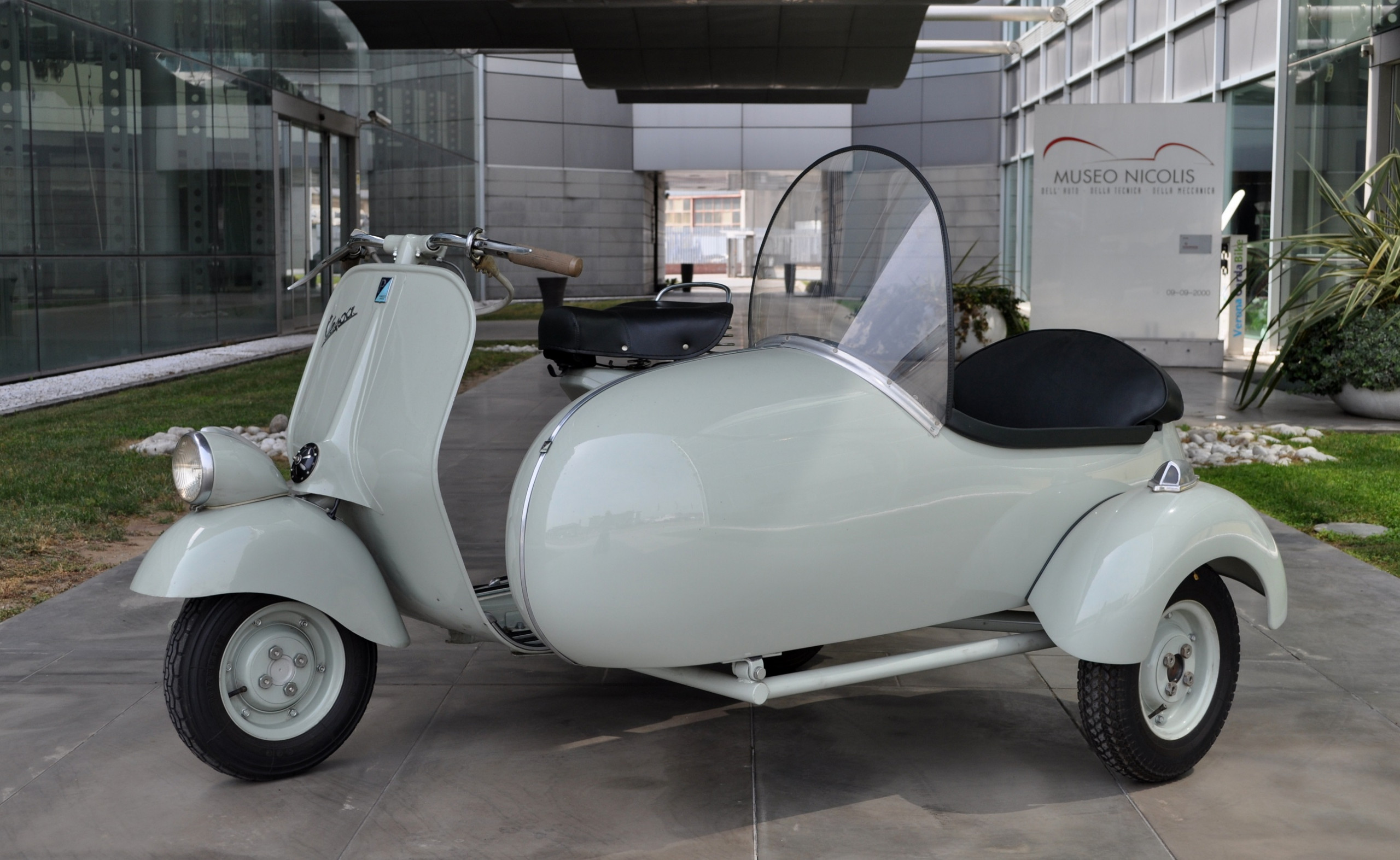
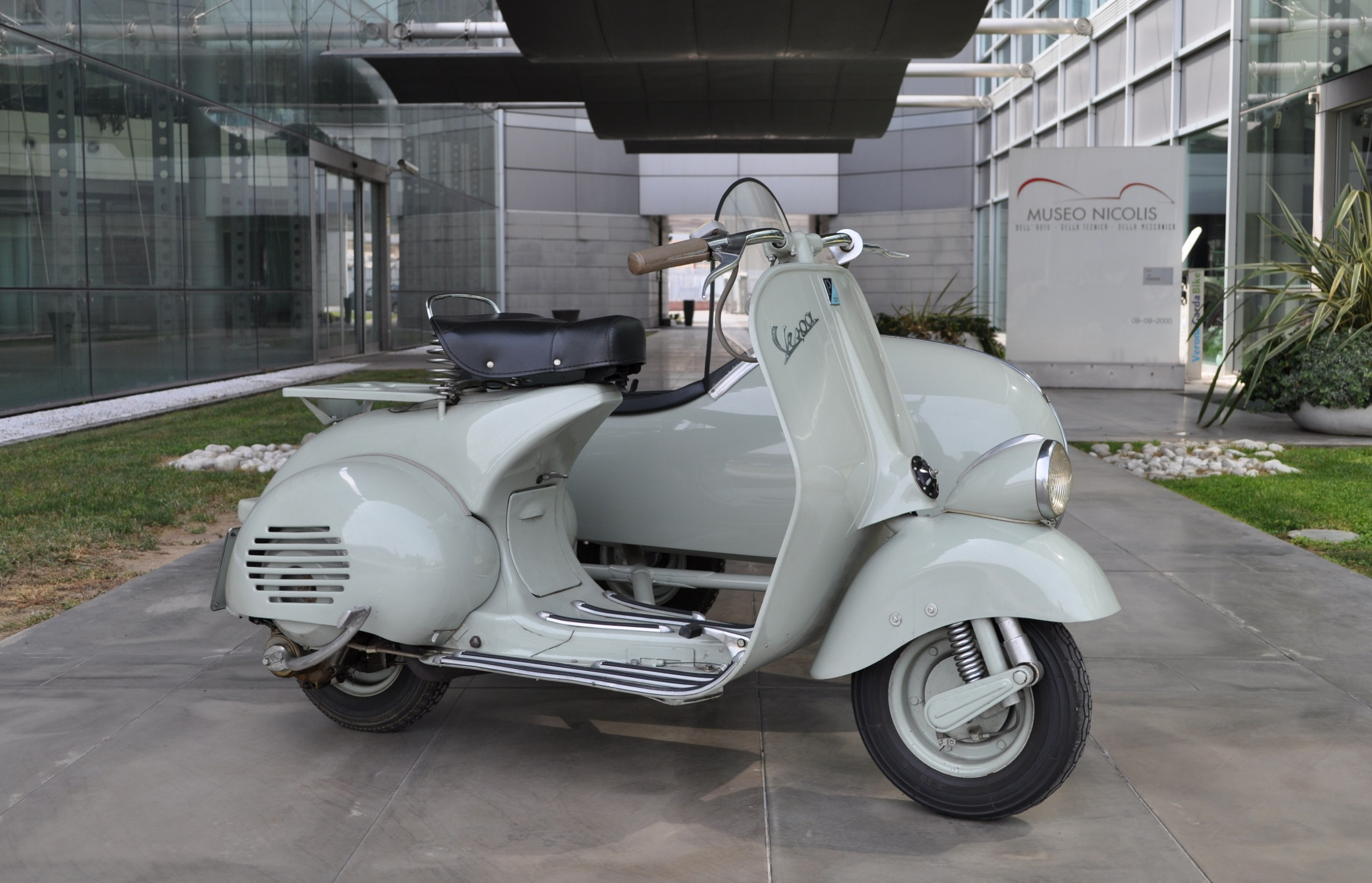
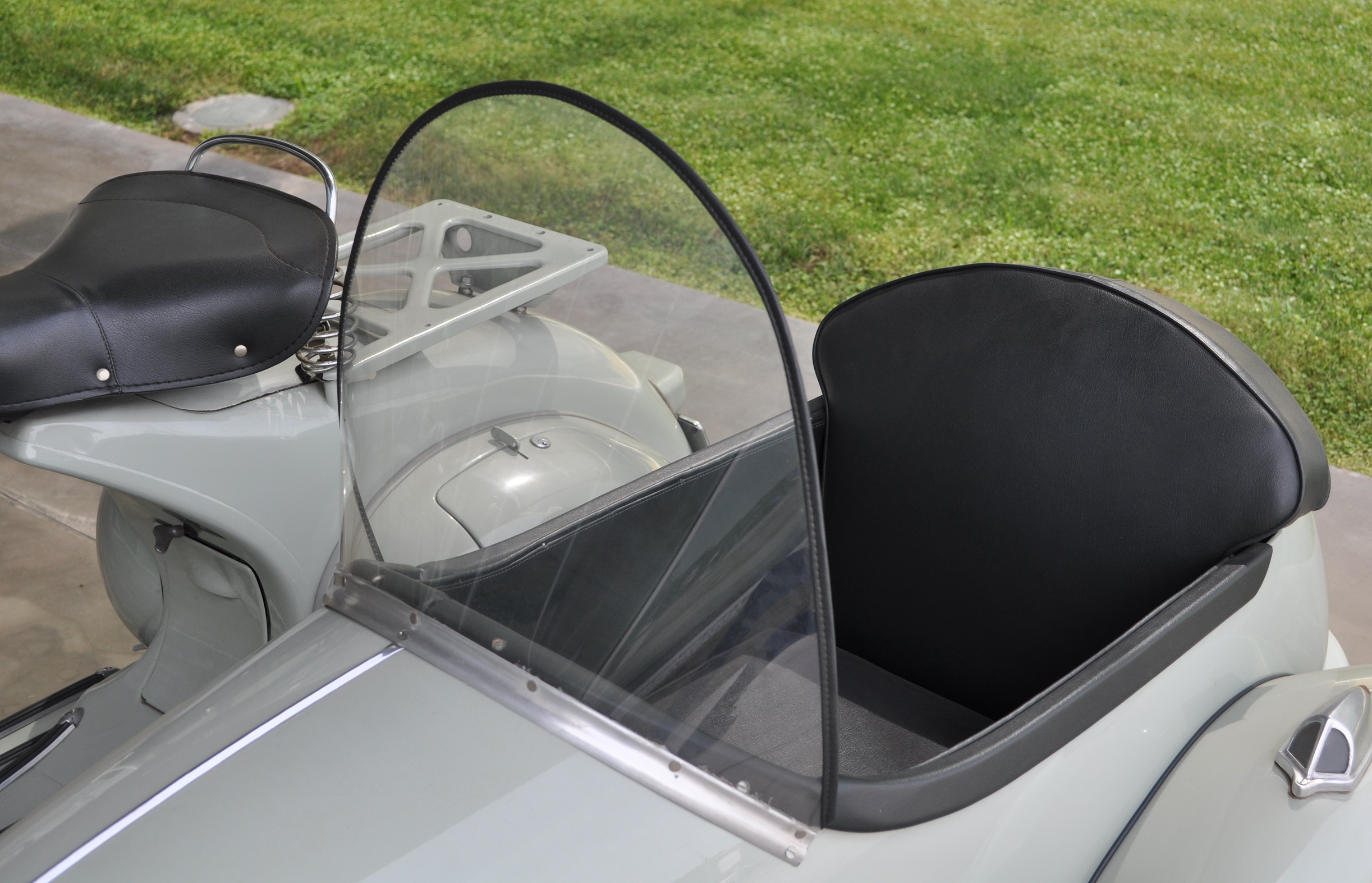
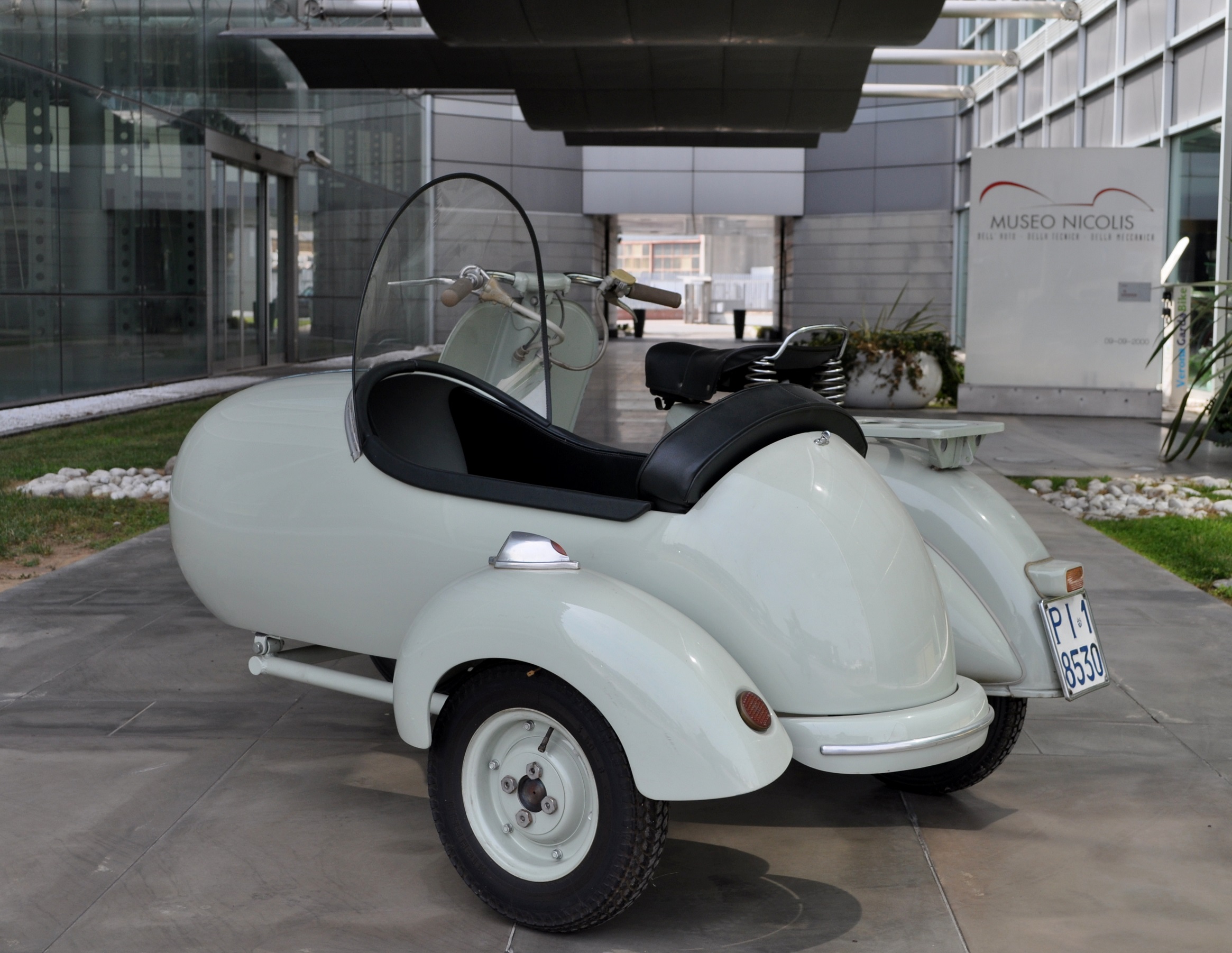
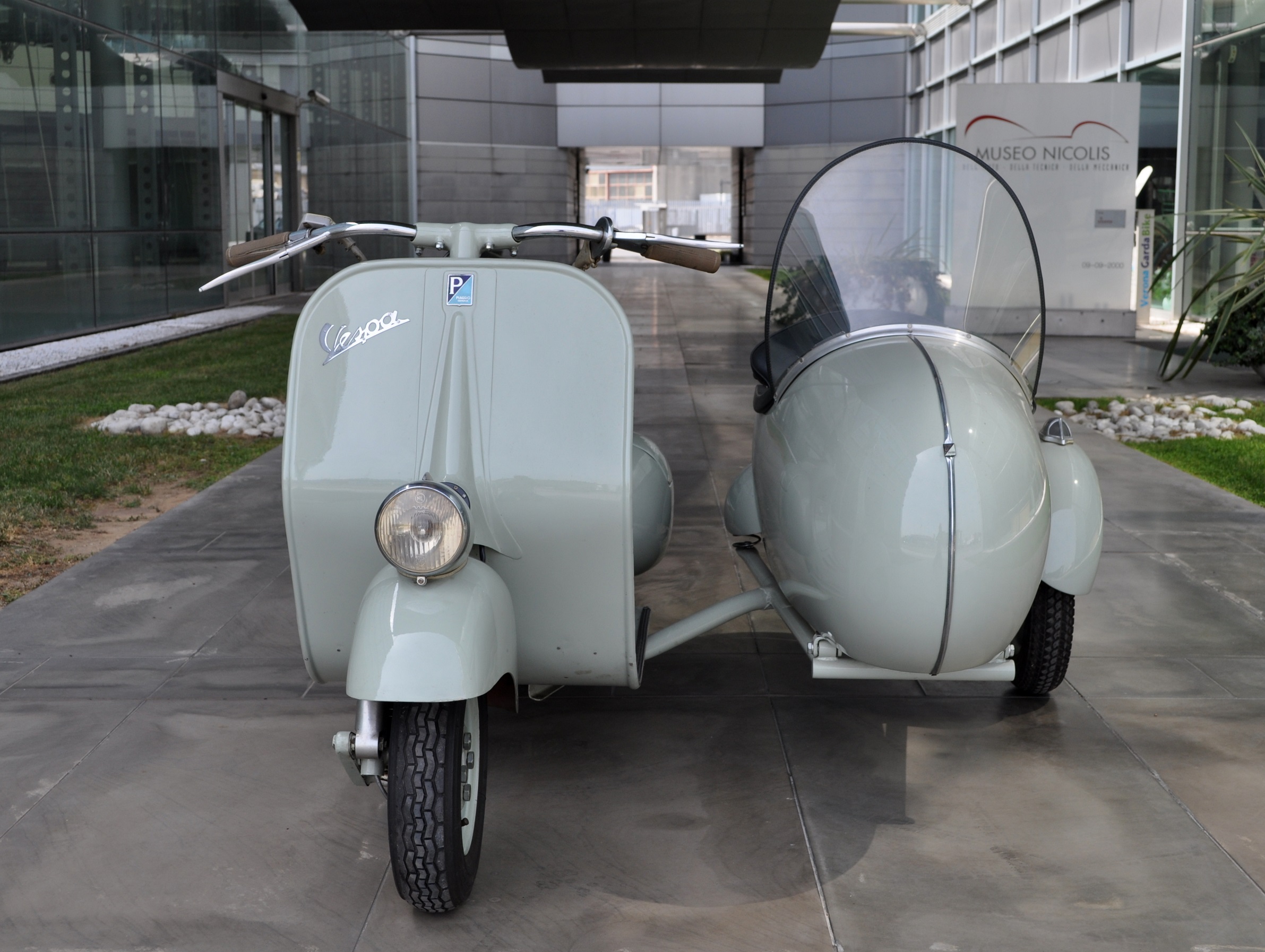
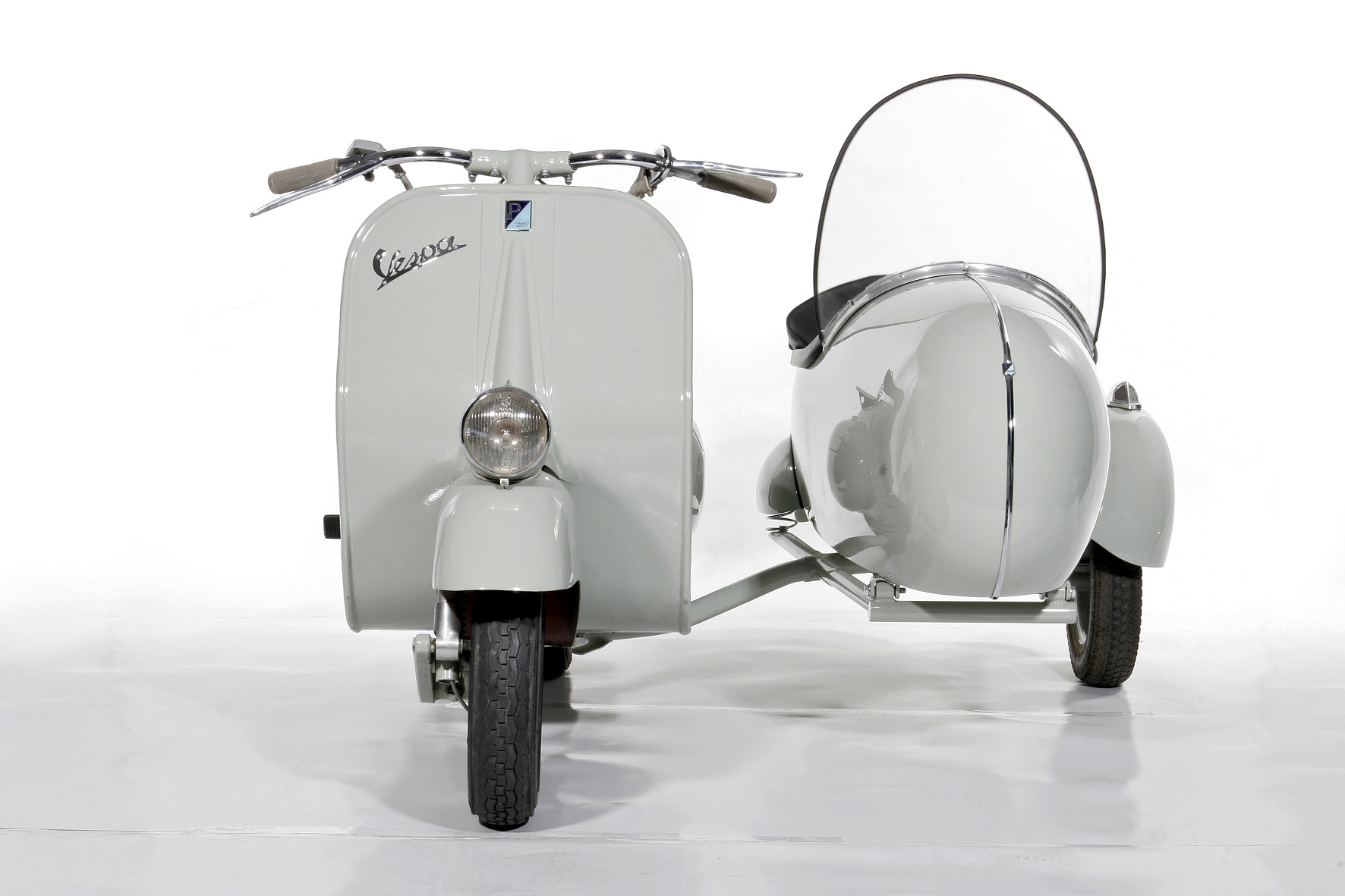
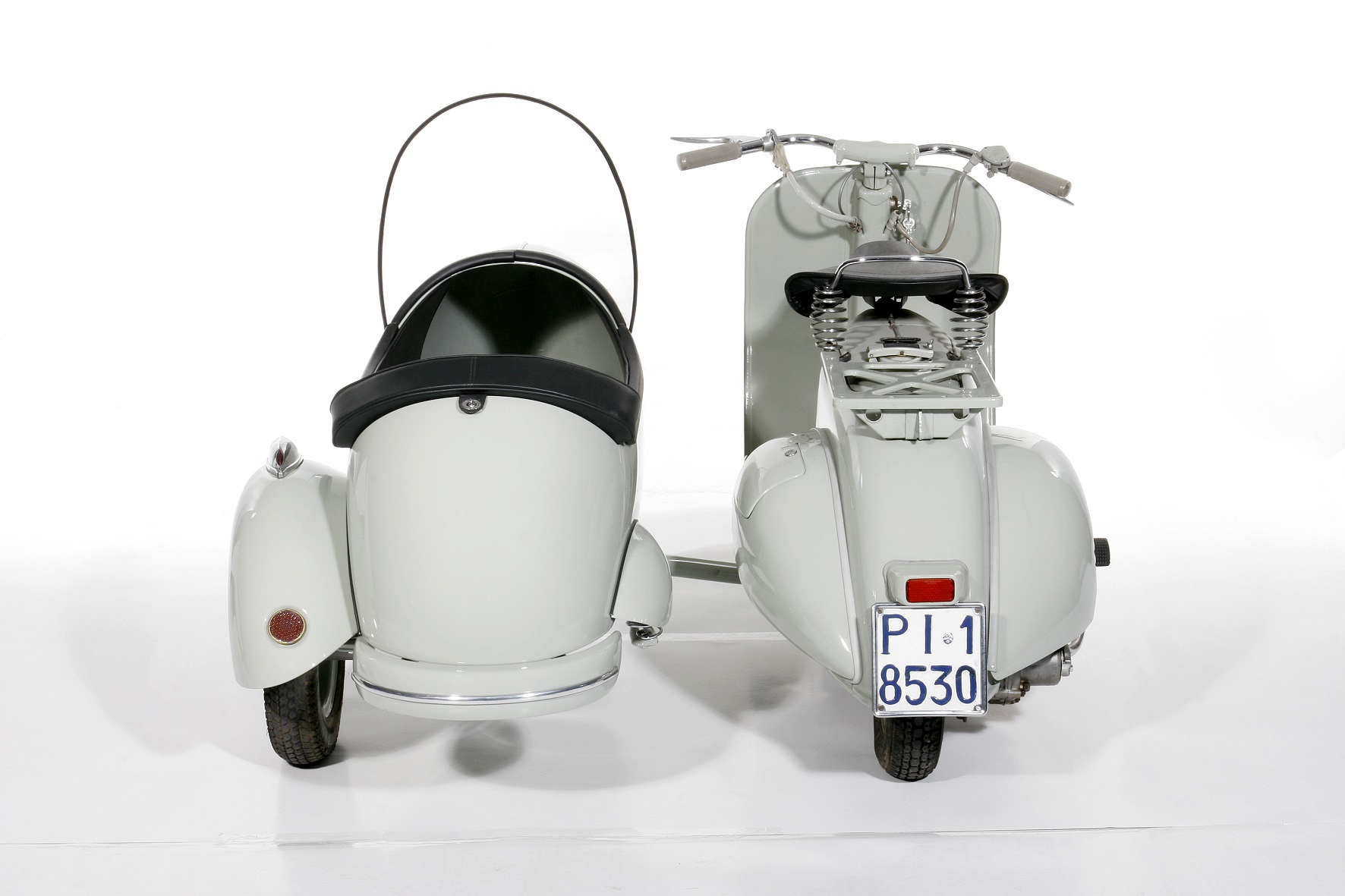
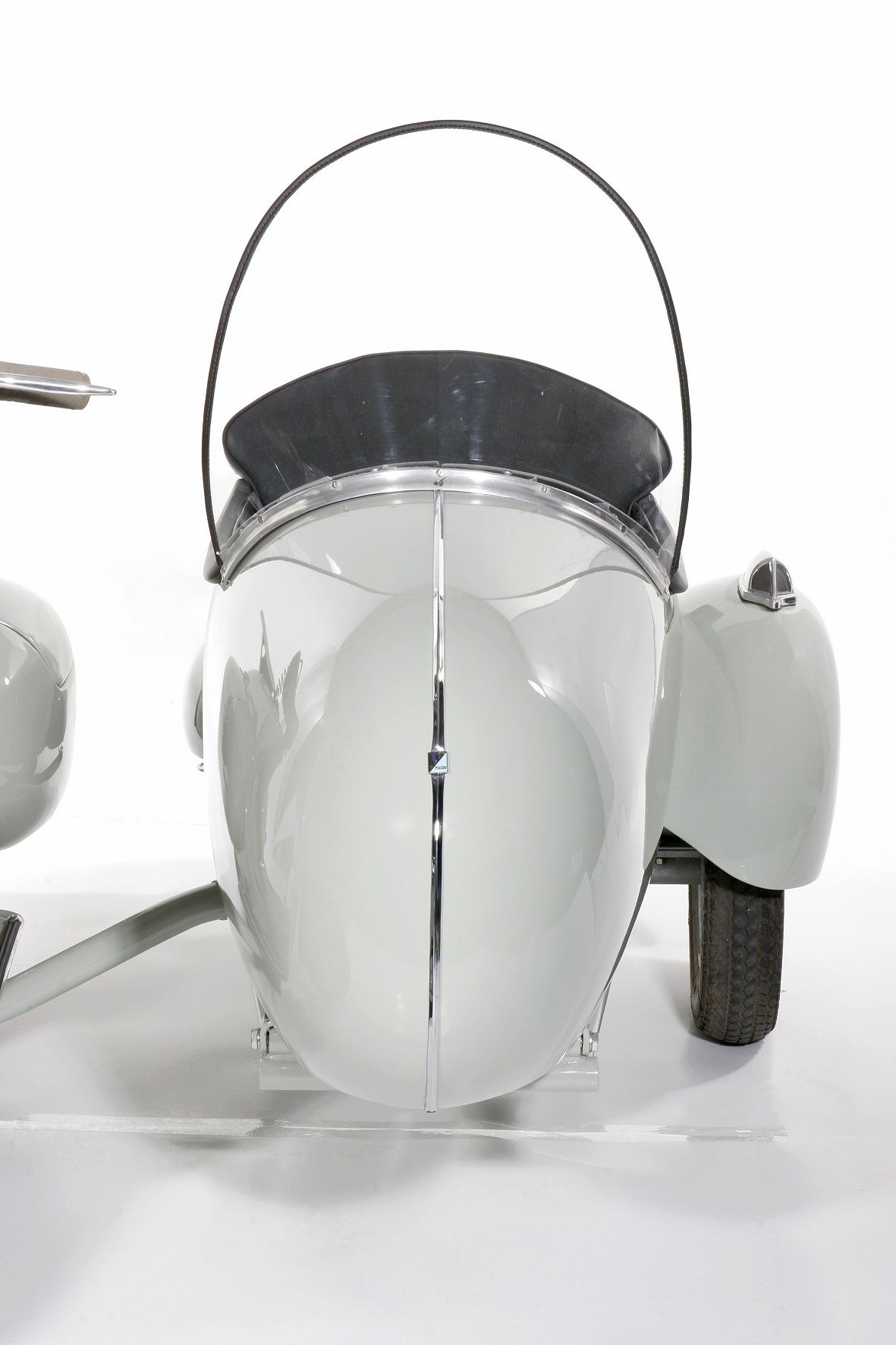
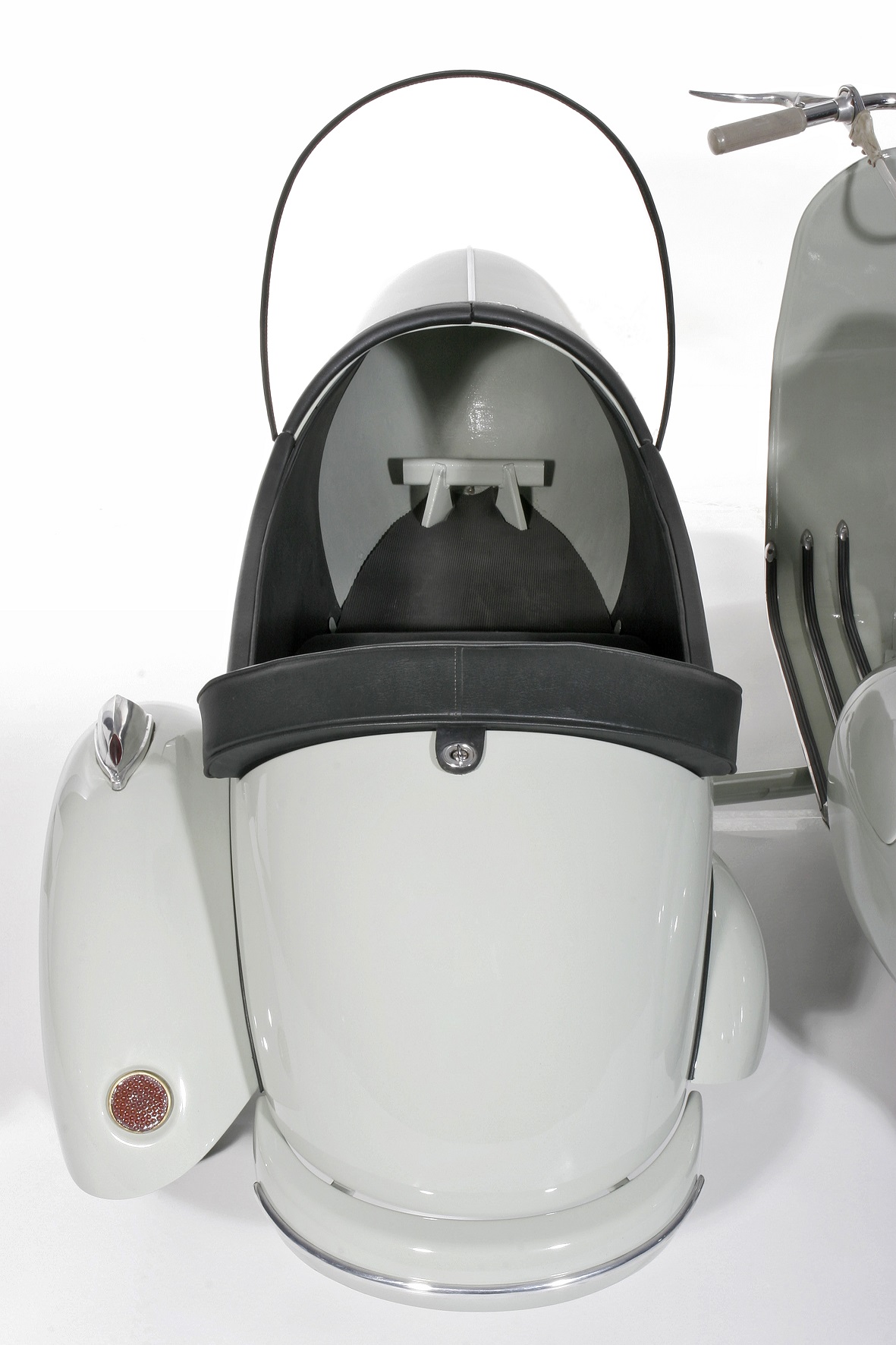
Piaggio Vespa with sidecar, 1953, Italy


The Vespa is, in itself, already a revolution: economical, simple, accessible.
With the sidecar, it changes scale. No longer just an individual. Not yet an automobile. But a micro-family on three wheels. It is an intelligent hybrid between motorcycle and car. It carries a child, groceries, work. It is minimal freedom — but tangible. In postwar Italy, where owning a car remained a distant dream for many, the Vespa with sidecar represented a real solution: greater stability, increased carrying capacity, and the possibility of traveling as three.


Origins - The first official sidecar was presented to the press in December 1948.
The project was signed by Corradino D’Ascanio, the aeronautical engineer already known as the father of the Piaggio Vespa. His technical intuition introduced a single-arm mounting system, an innovative solution for its time and rare in the international motorcycle landscape. This configuration helped preserve the clean lines of the vehicle while limiting structural modifications to the frame.
Production and Assembly - The sidecar could be installed either at the factory or by an authorized dealer. To facilitate installation at dealerships (the more common solution), the tooling department produced a template to mark the drilling points on the Vespa’s footboard. These holes were necessary to secure the support arm. In the first two years, approximately 600 sidecars were produced — a limited number that today makes original examples particularly rare and sought after.
Vespa, Sidecar and the Collective Imagination - The Vespa quickly became a symbol of Italy’s recovery. Cinema helped cement its international image, as seen in Roman Holiday starring Audrey Hepburn and Gregory Peck. Although the sidecar does not appear in the film, the cultural resonance is the same: the Vespa embodies urban freedom, romance, and light modernity. With the sidecar, it adds a new dimension: no longer individual escape, but shared travel.
Curiosities - The Vespa sidecar is not symmetrical: the lateral weight alters handling and requires adaptation. In some rural areas, it was also used for transporting light goods. Today, original period sidecar models can command high prices on the collectors’ market. Conceptually, the three-wheel configuration anticipates modern urban vehicles that hybridize the scooter and the microcar.