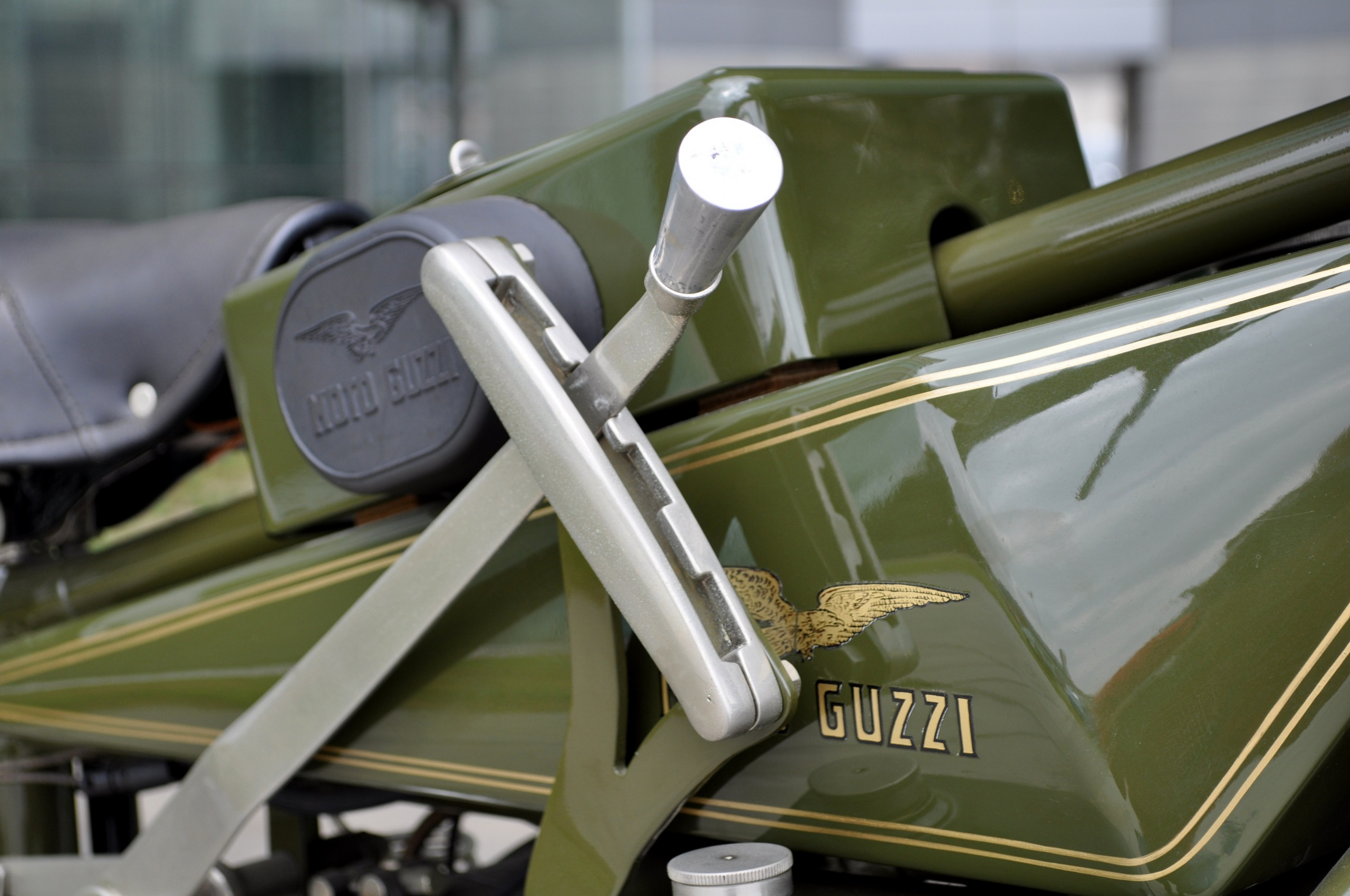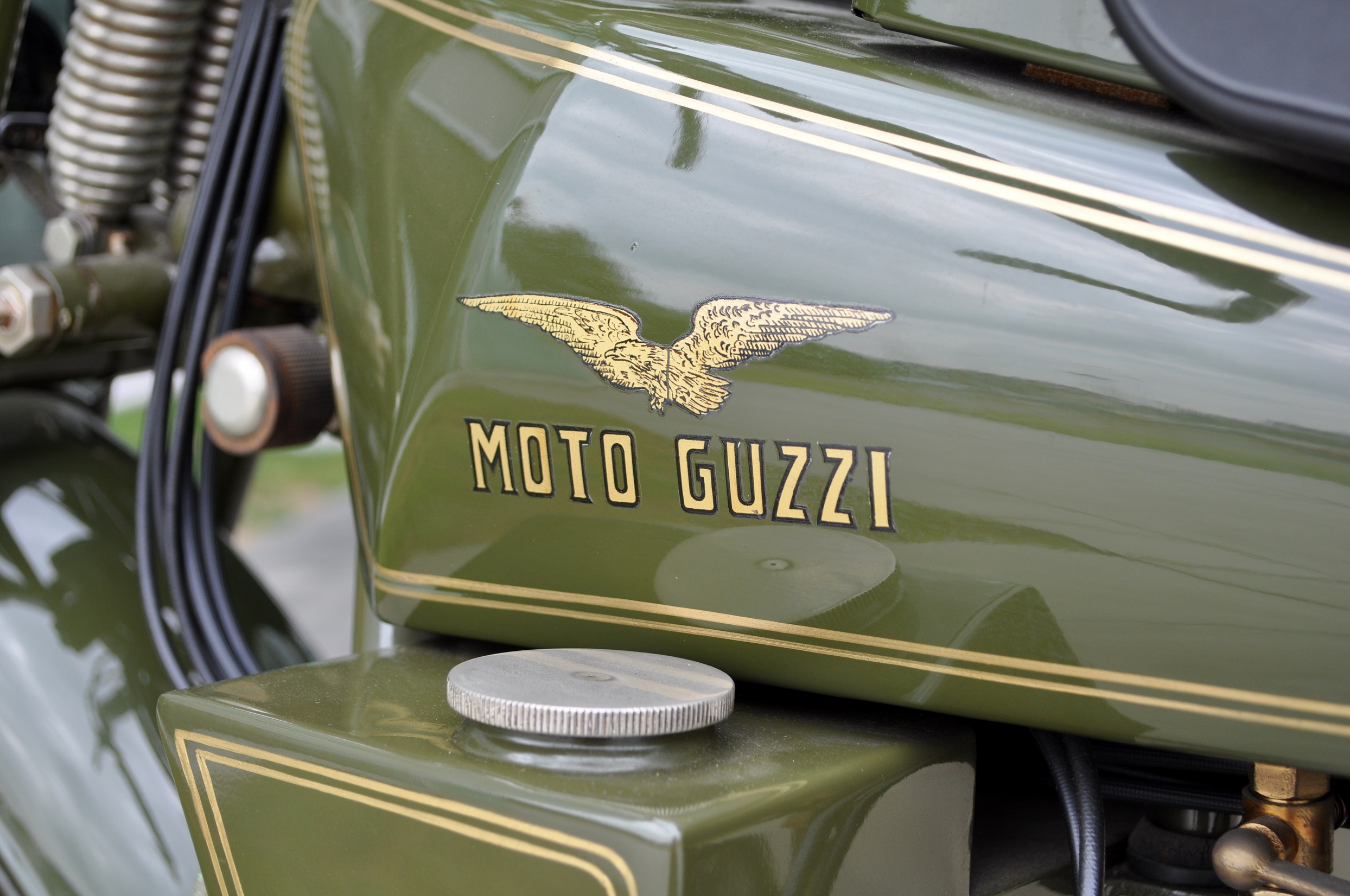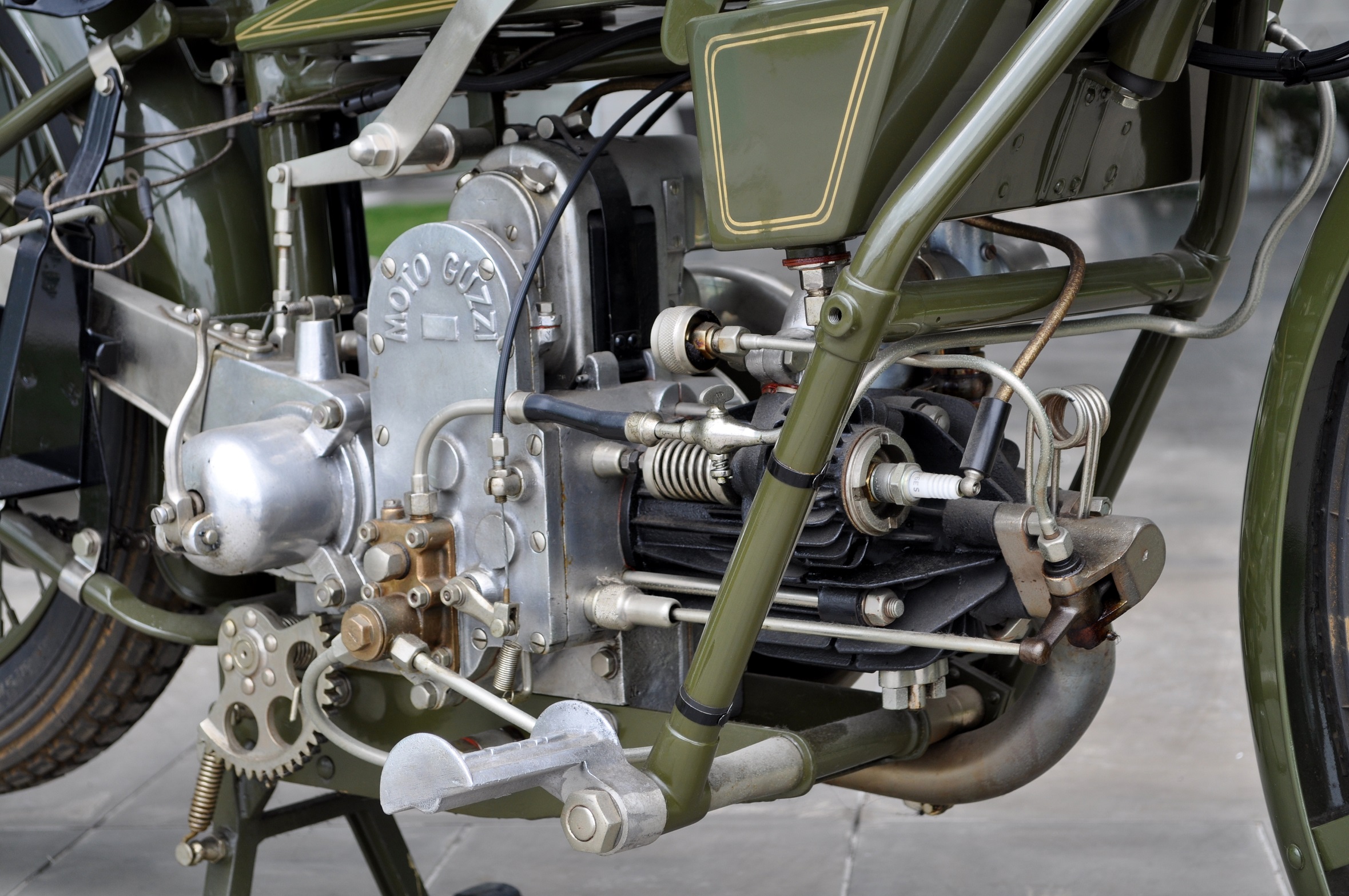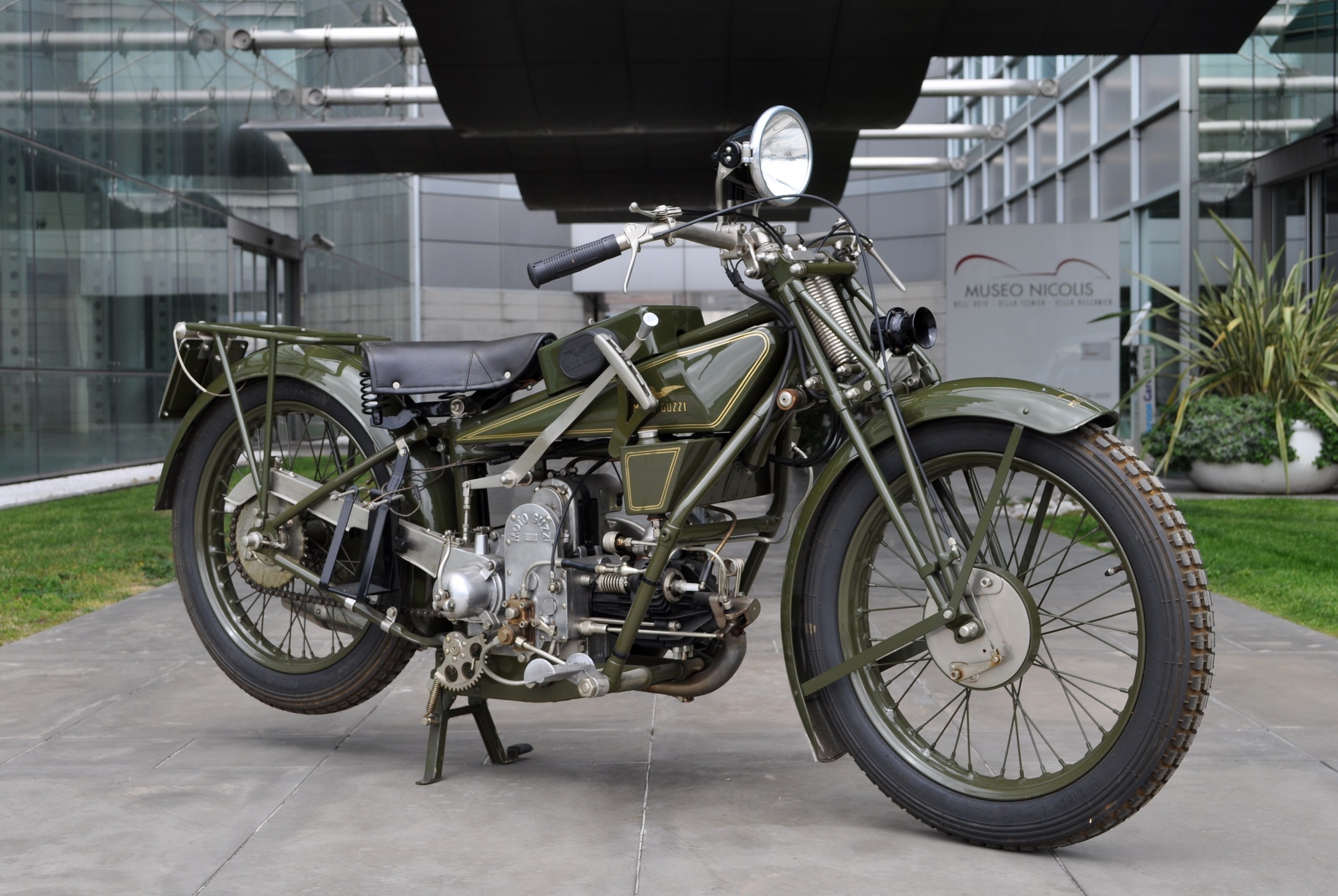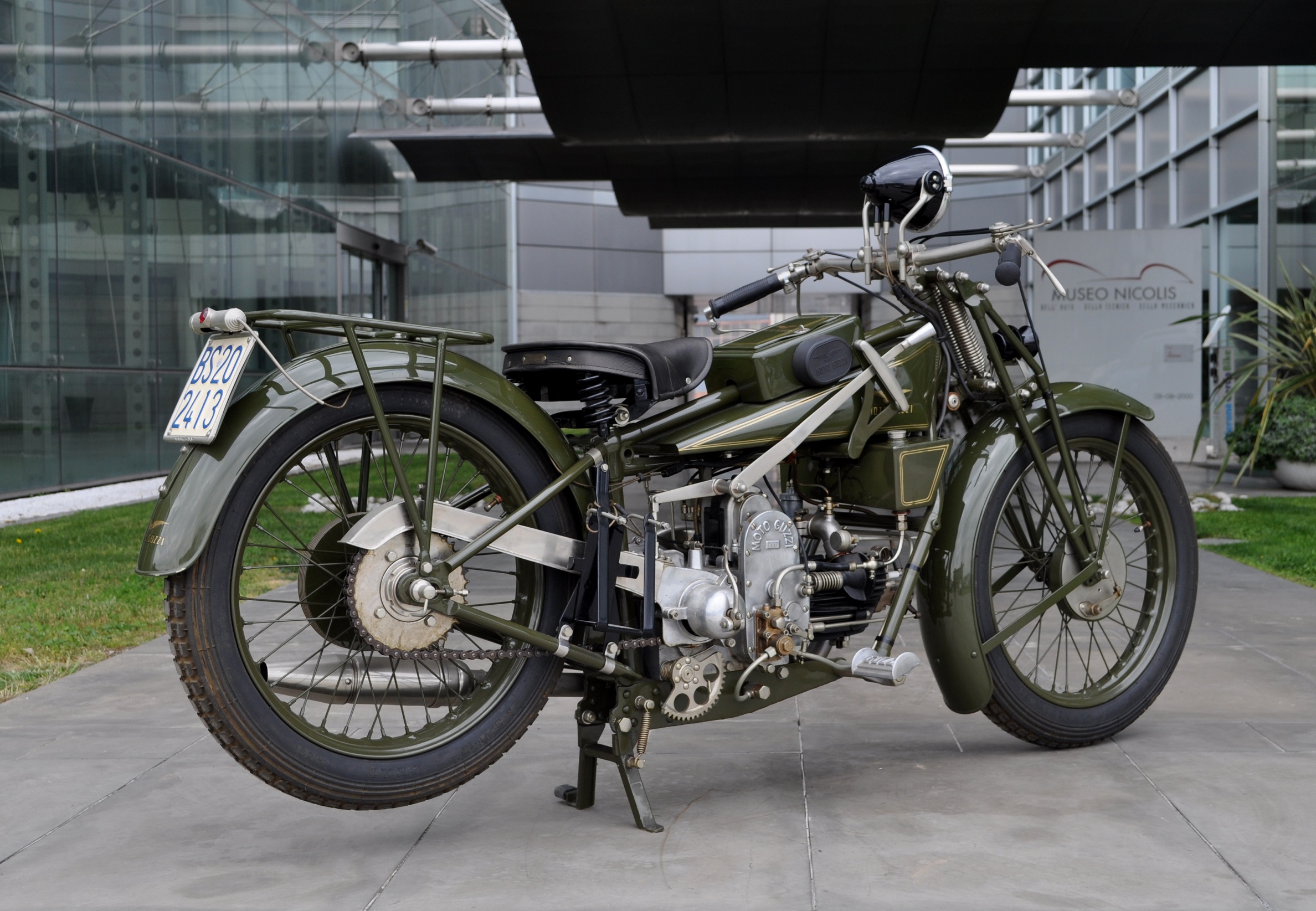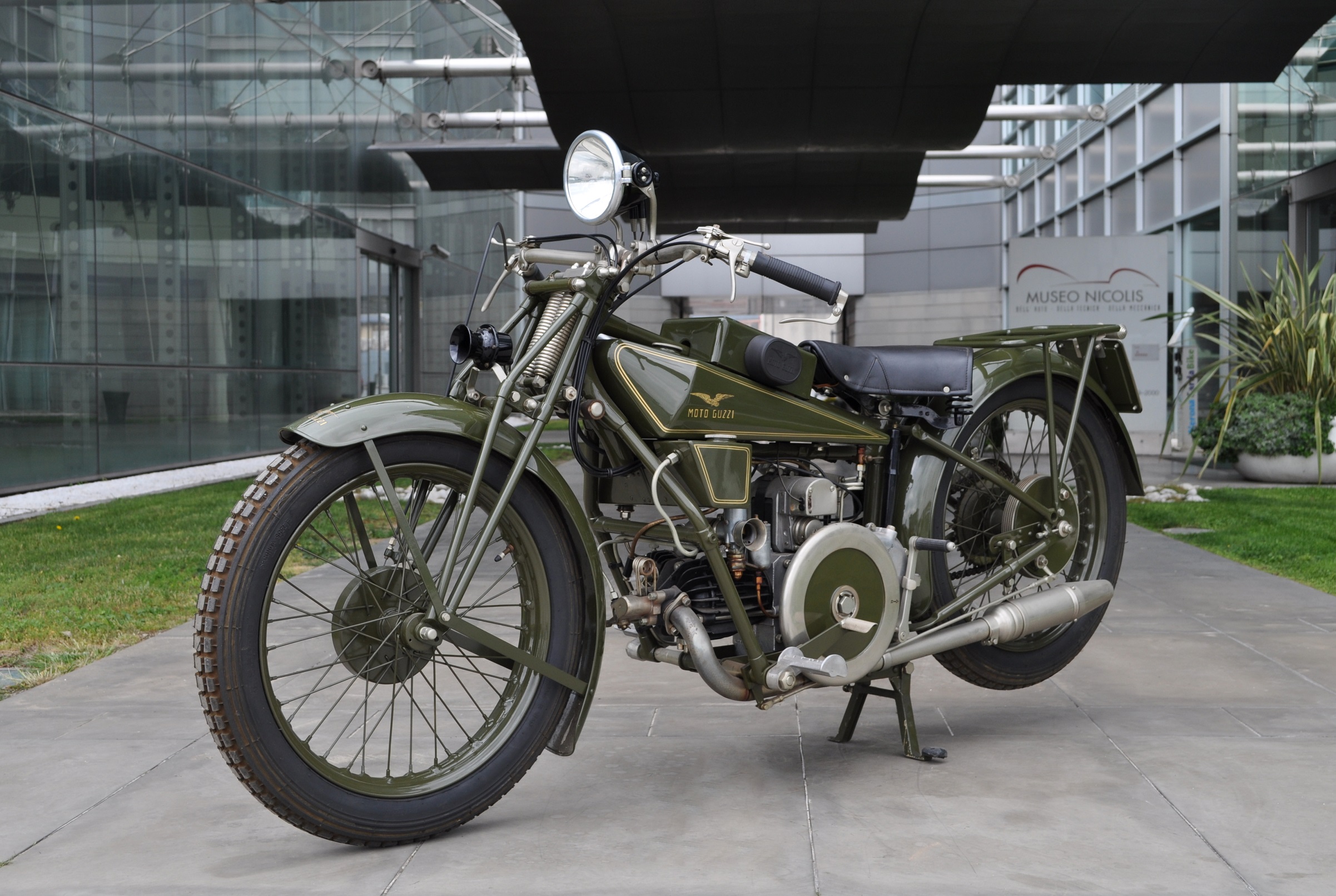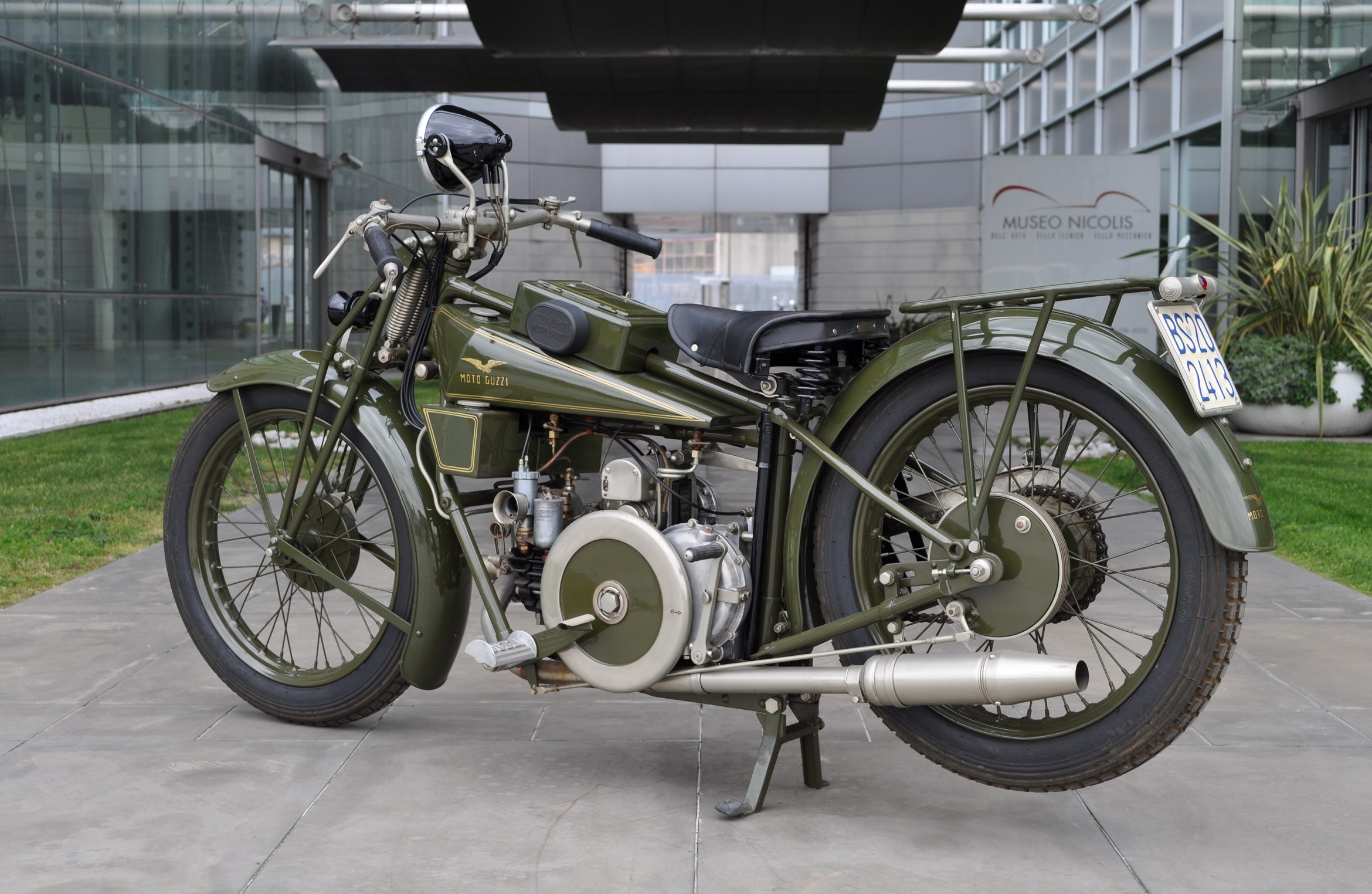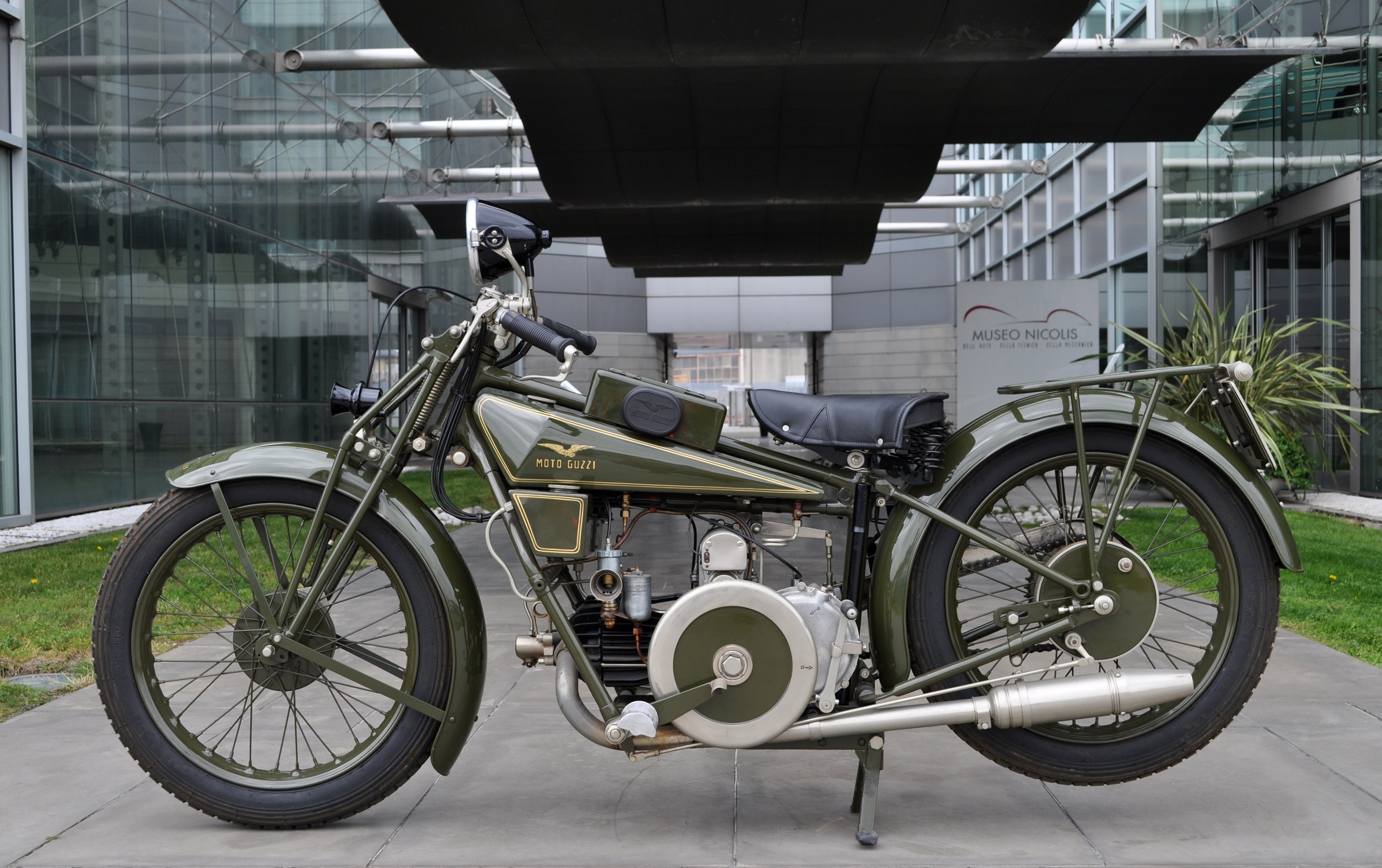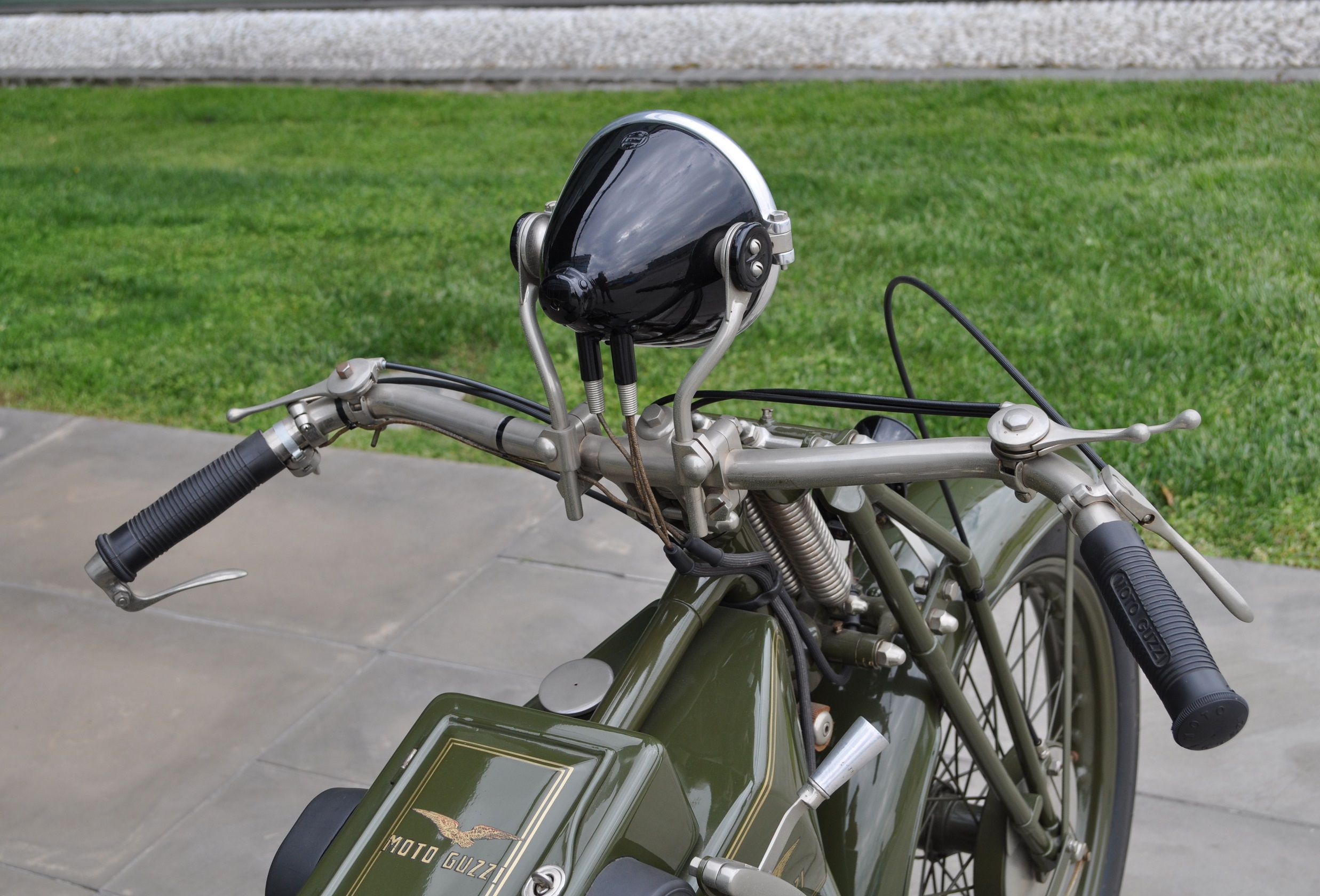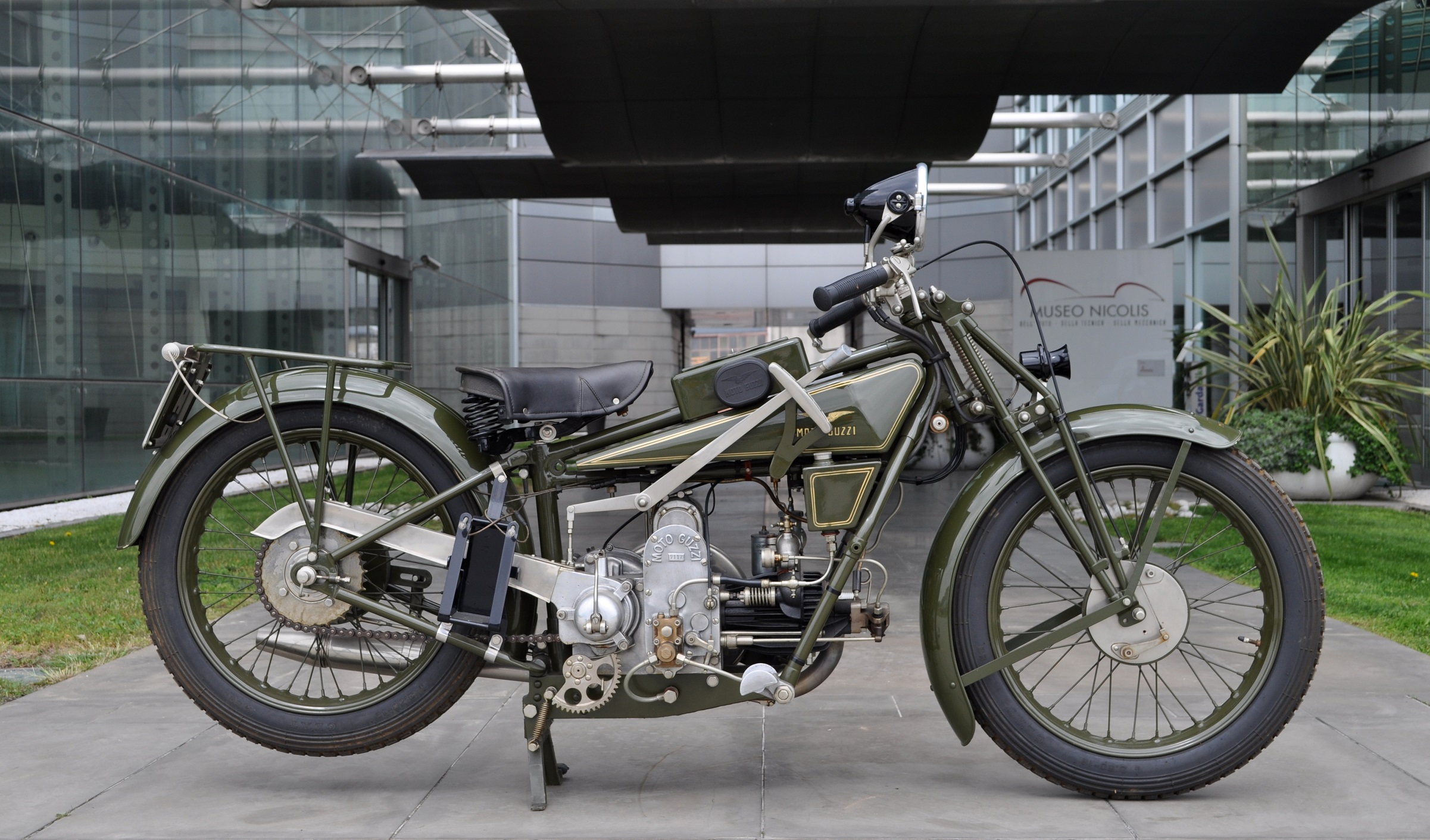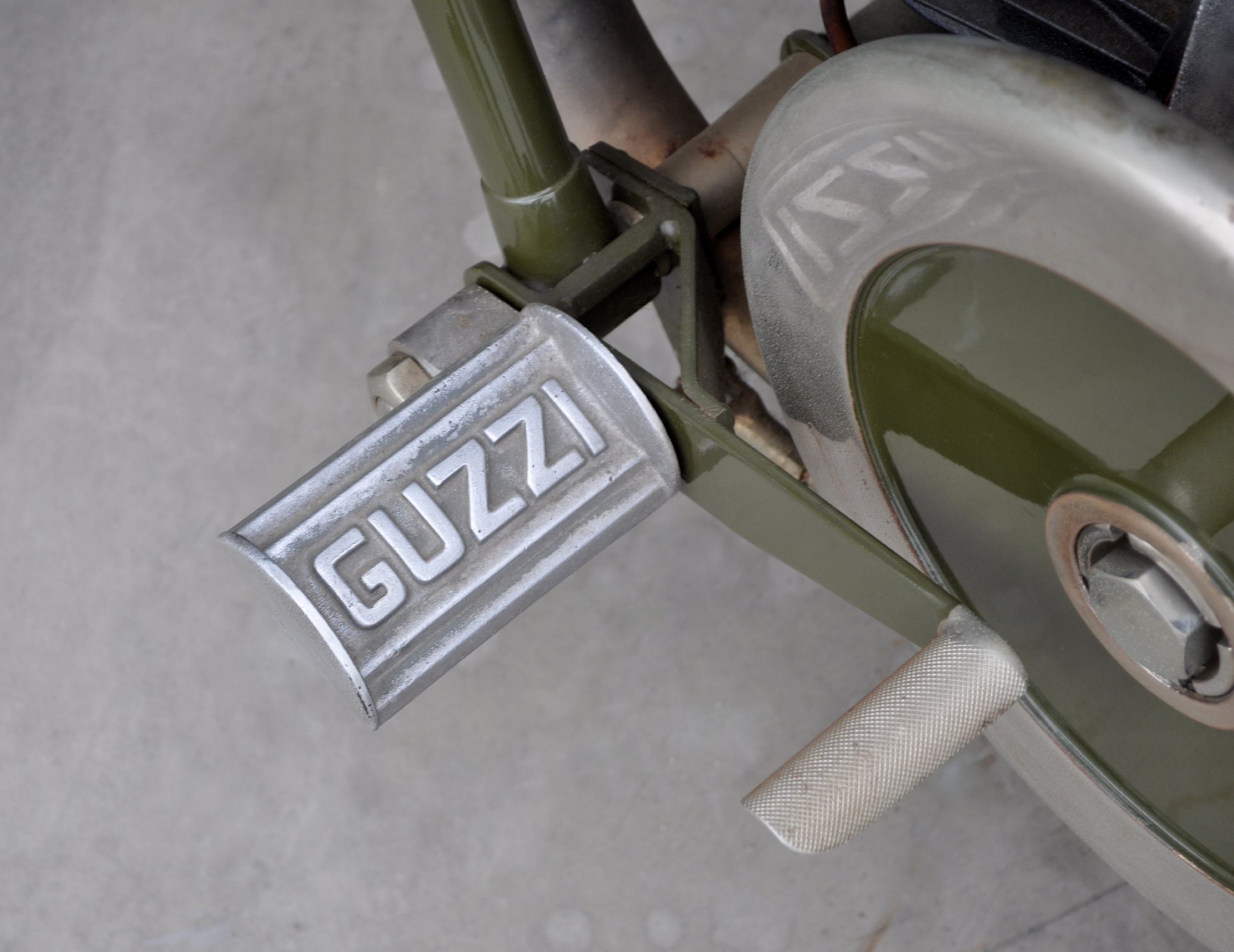
Moto Guzzi, 1928, Sport 500
Moto Guzzi Sport 500, 1928, Italy
In the mid-1920s, when the motorbike represented one of the most modern forms of personal transport, the Moto Guzzi Sport 500 struck a balance between road production and sporting development, bringing its own distinctive character to the mix.
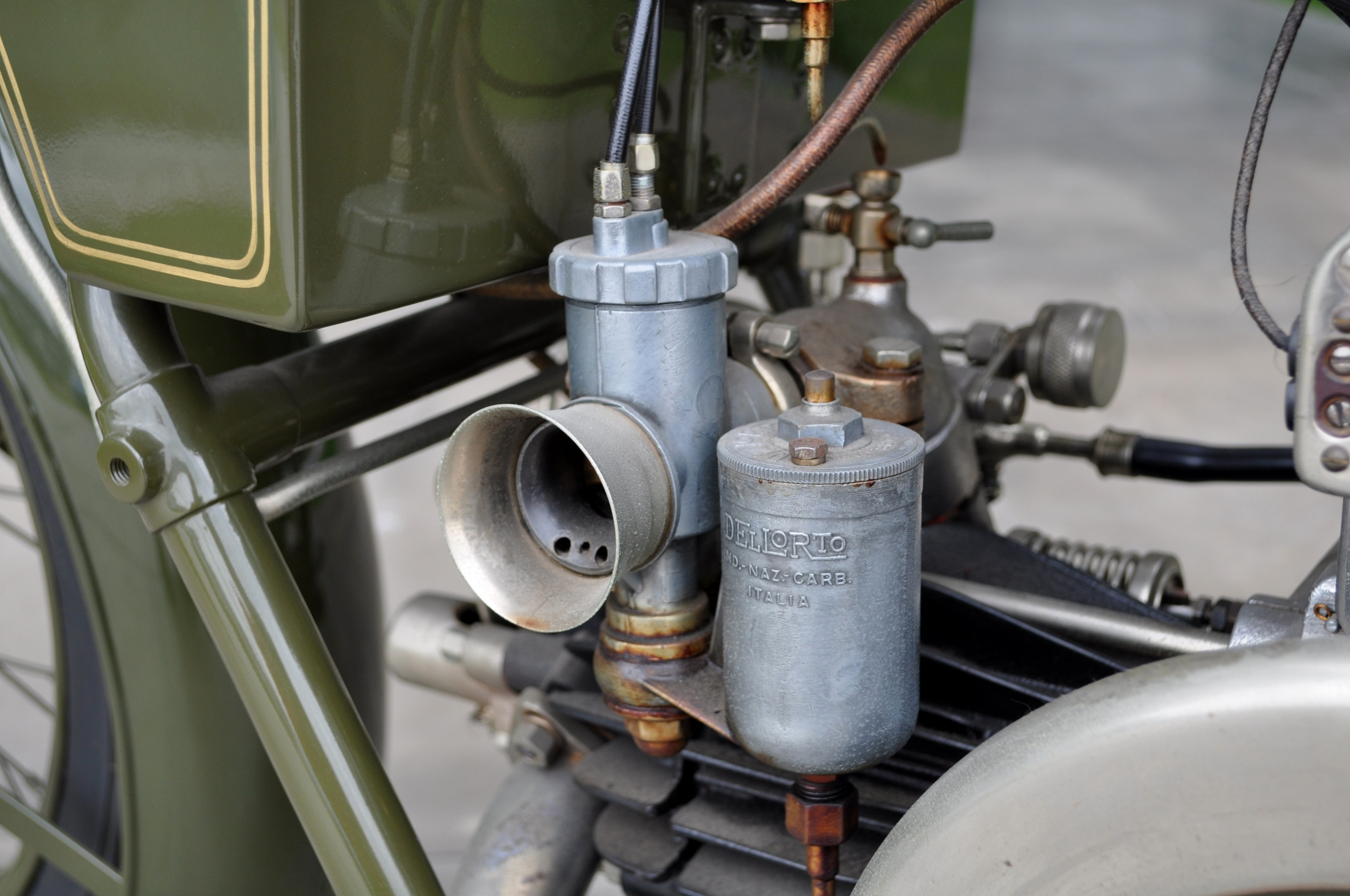
This model sits between the Normale, intended for more everyday use, and the competition versions such as the C 2V and the subsequent C 4V, borrowing their frame but adopting an opposed-valve engine. A technical choice that guarantees reliability and brilliance, making the Sport 500 a dynamic motorcycle, designed for those seeking performance without sacrificing versatility.
In 1928, it cost 8,750 lire, a significant sum for the time, which could rise with the addition – not a given back then – of the Bosch lighting system with a 30-watt dynamo and battery. A detail that clearly illustrates the transition from a basic vehicle to an increasingly sophisticated and complete machine.
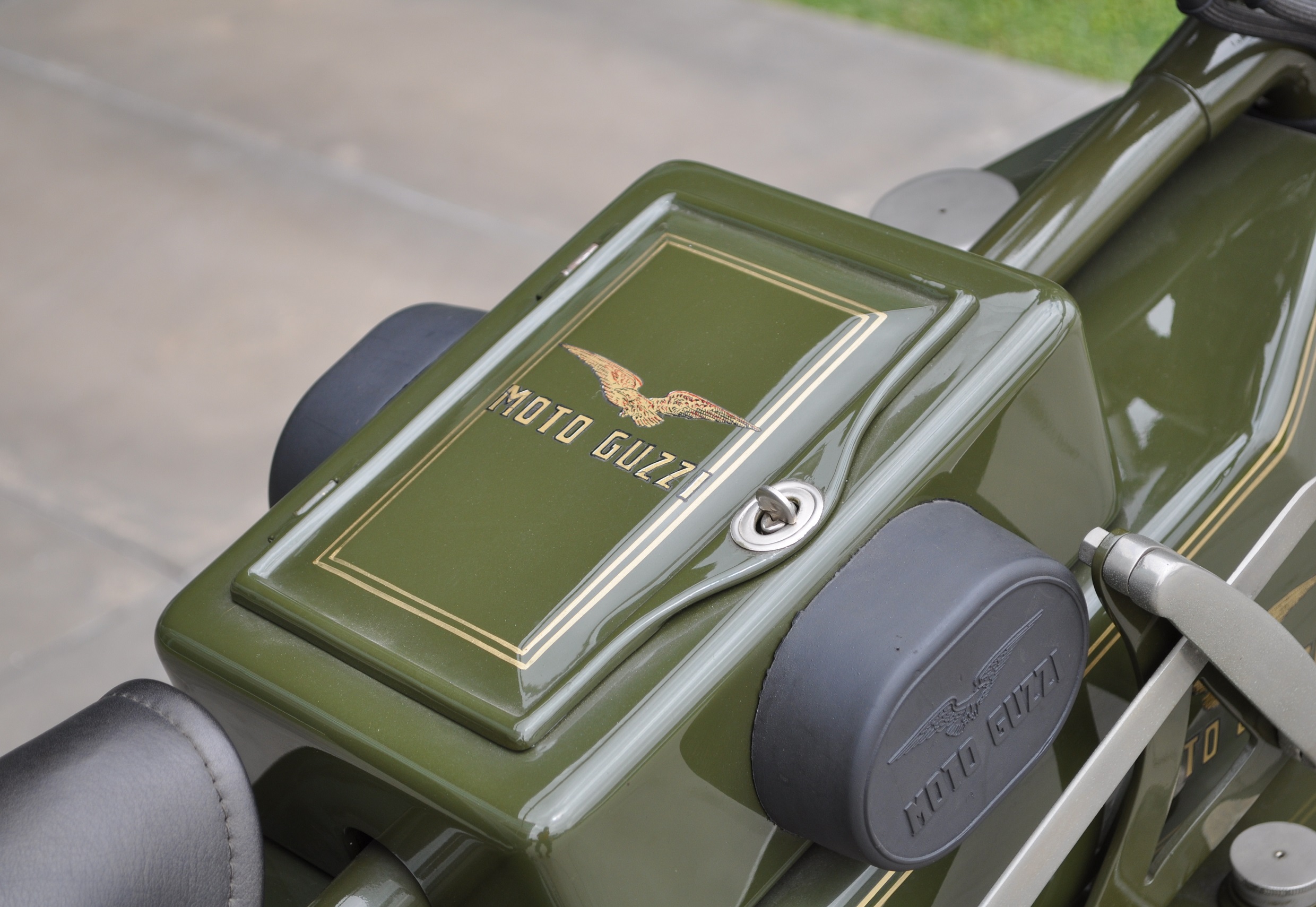
Founded on 15 March 1921 by Carlo Guzzi, Giorgio Parodi and Emanuele Vittorio Parodi, Moto Guzzi was born with a clear and ambitious industrial vision. The symbol of the eagle with outstretched wings, still the brand’s icon today, is dedicated to the memory of Giovanni Ravelli, an aviator and friend of the founders.
Throughout the 20th century, Moto Guzzi became one of the leading figures in international motorcycling, winning 14 world titles and establishing itself as a true expression of Italian ingenuity and passion.