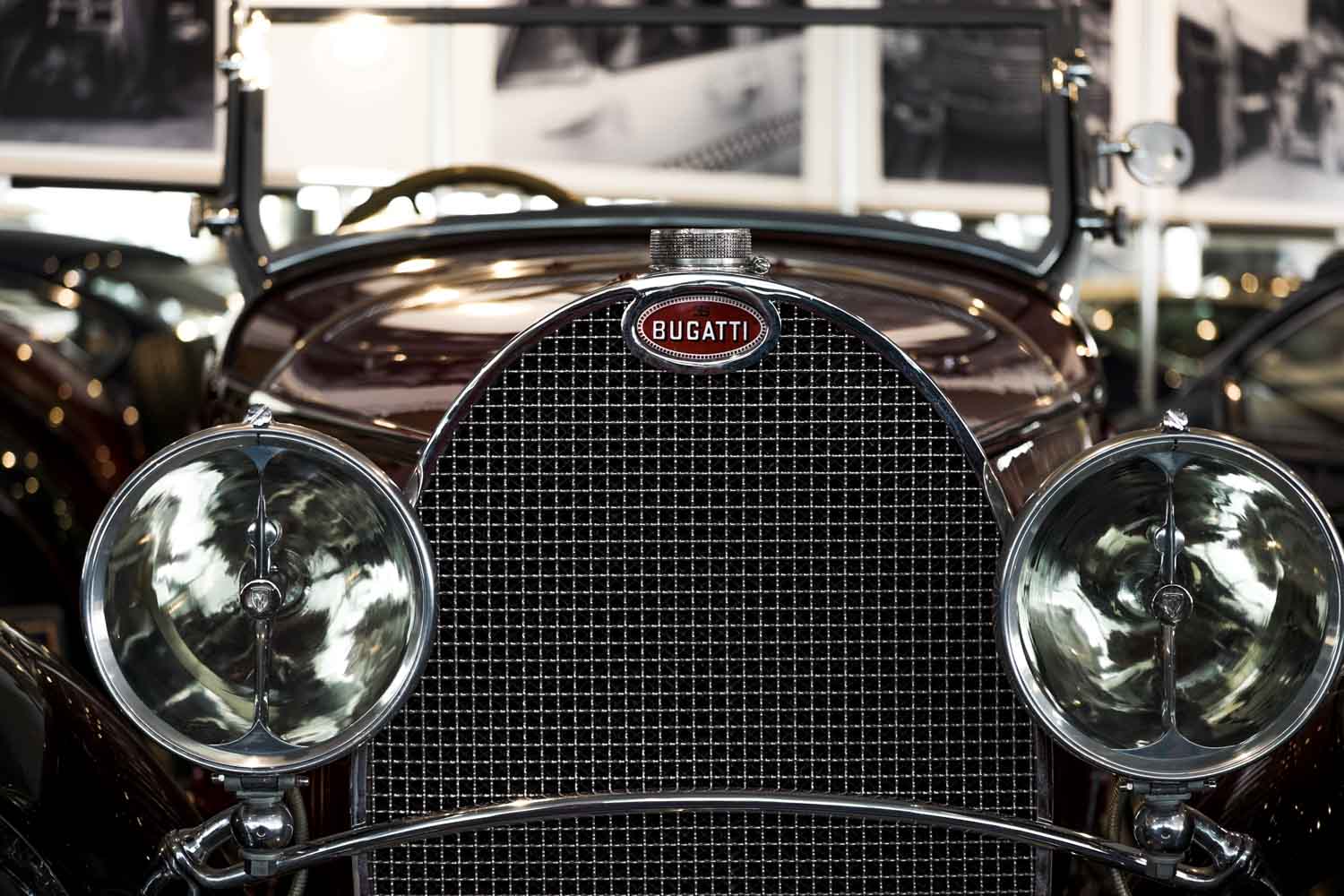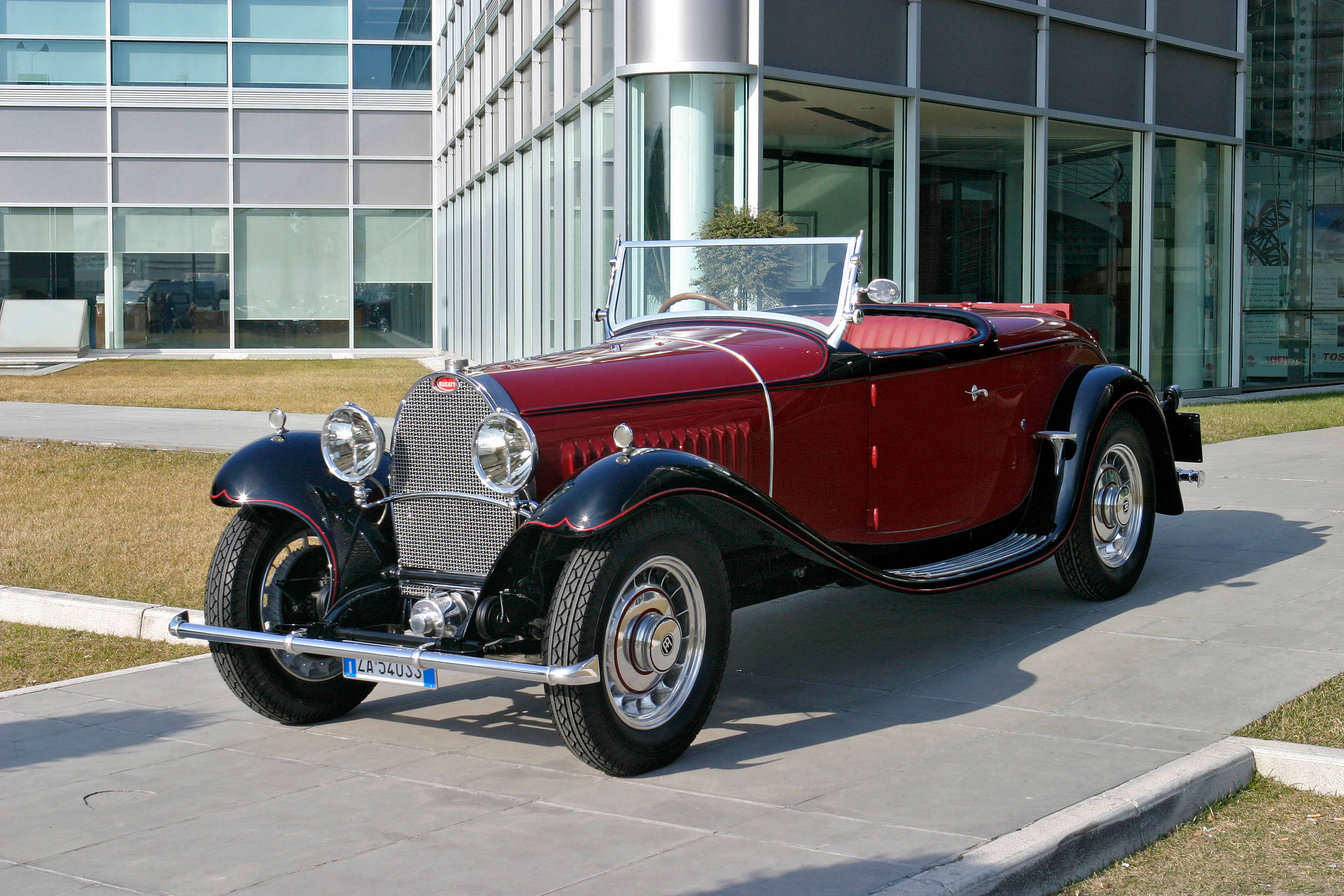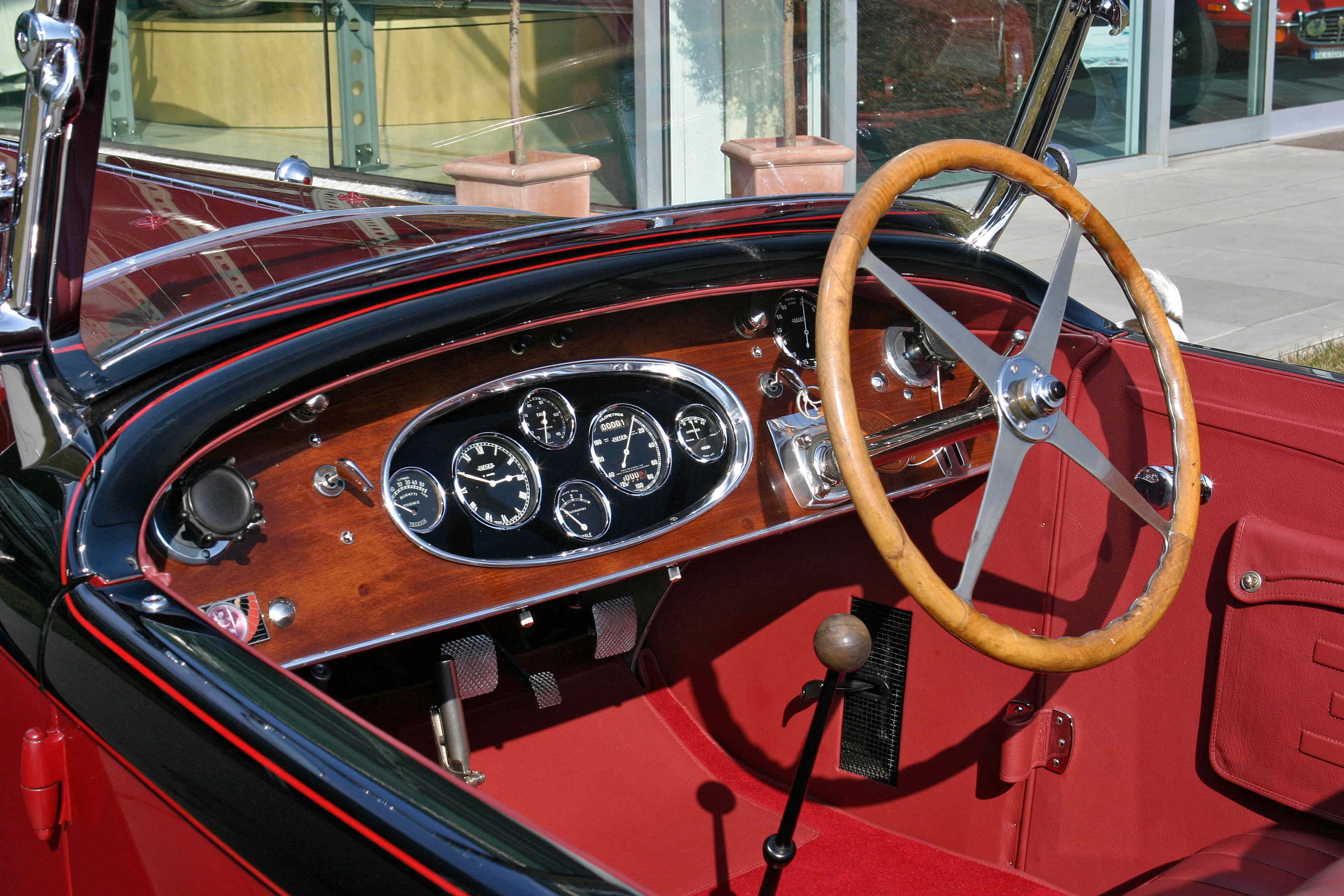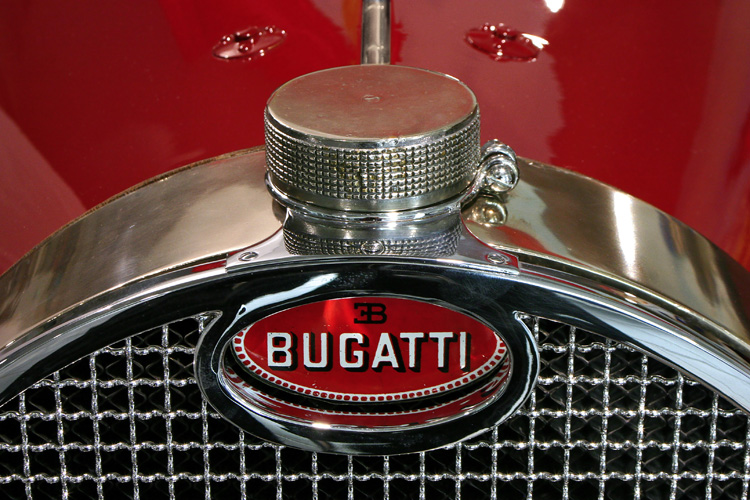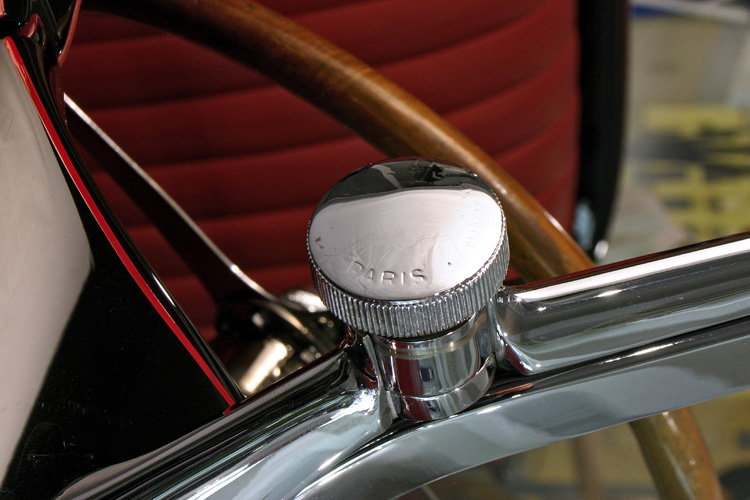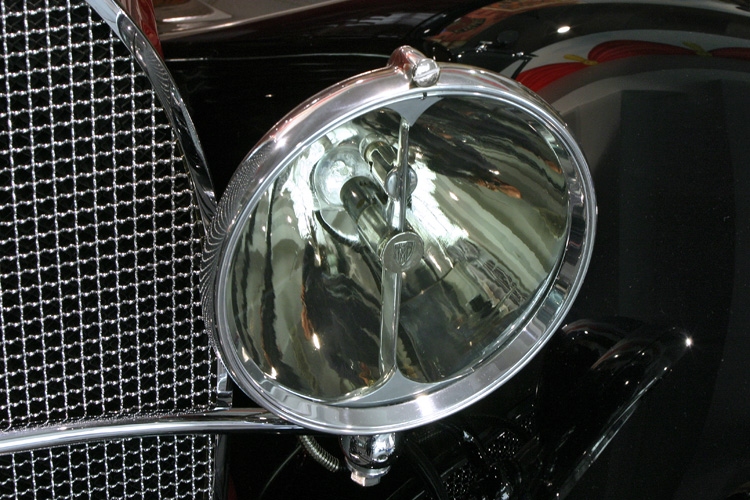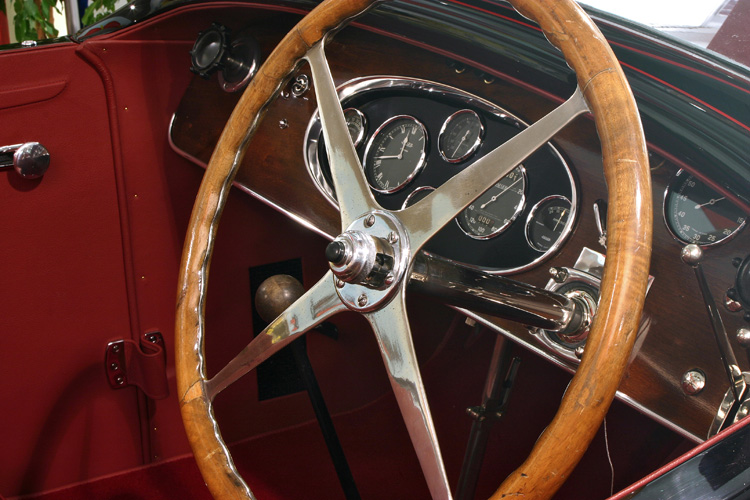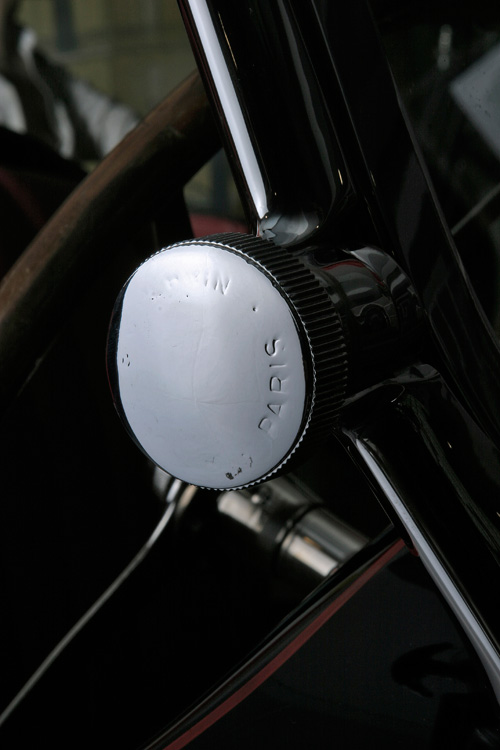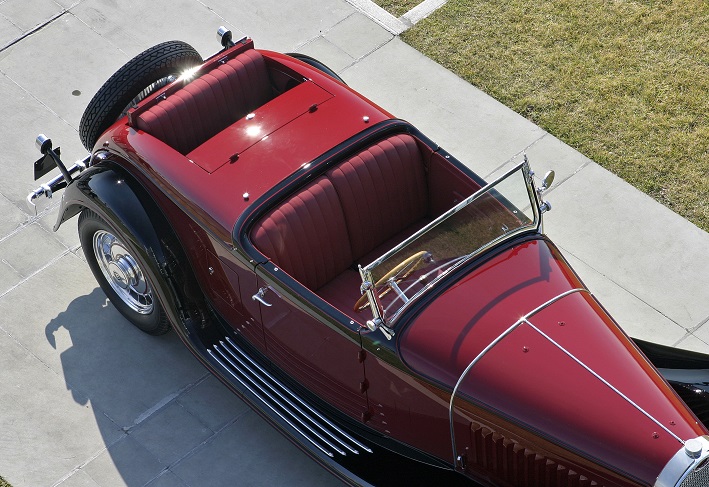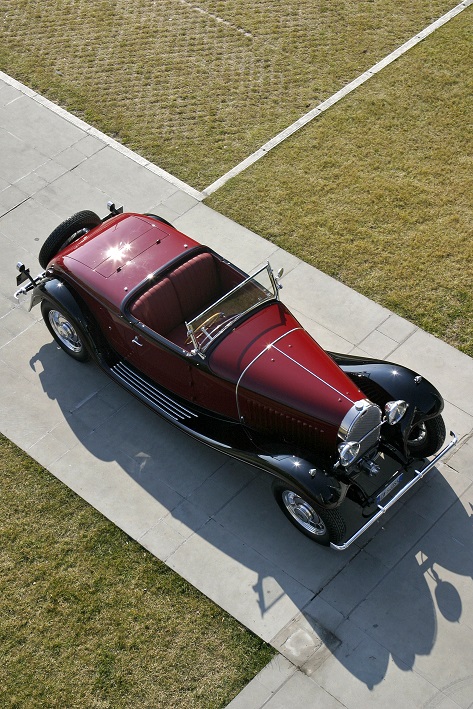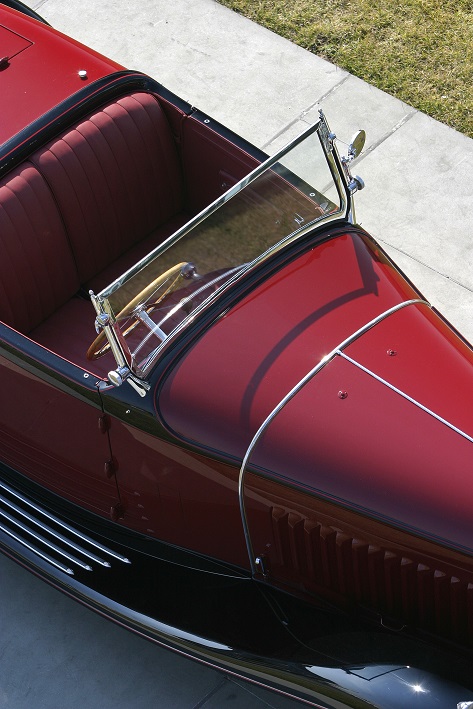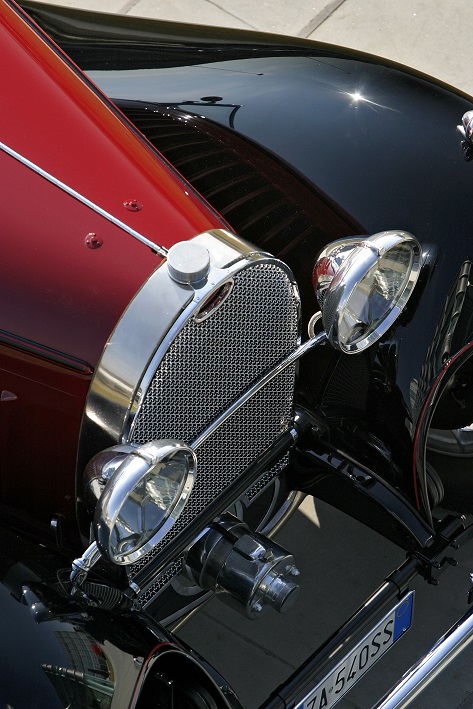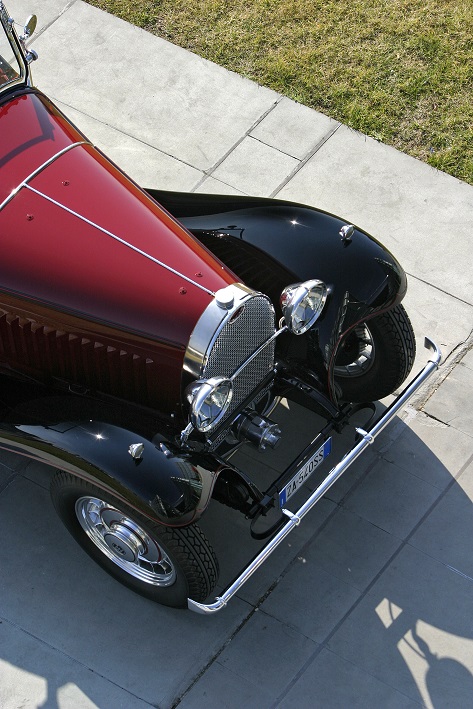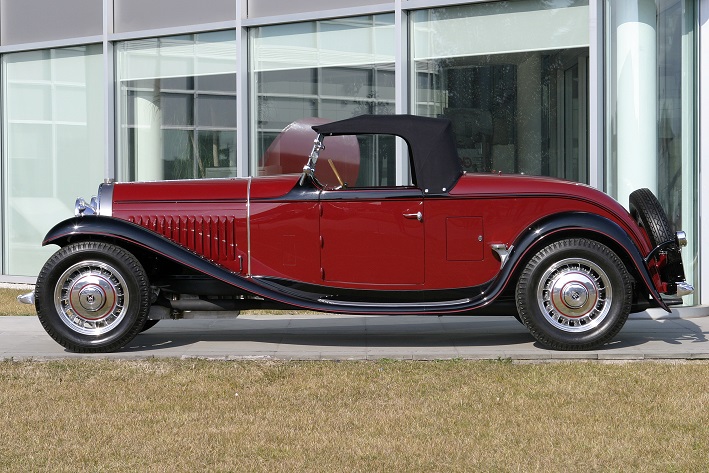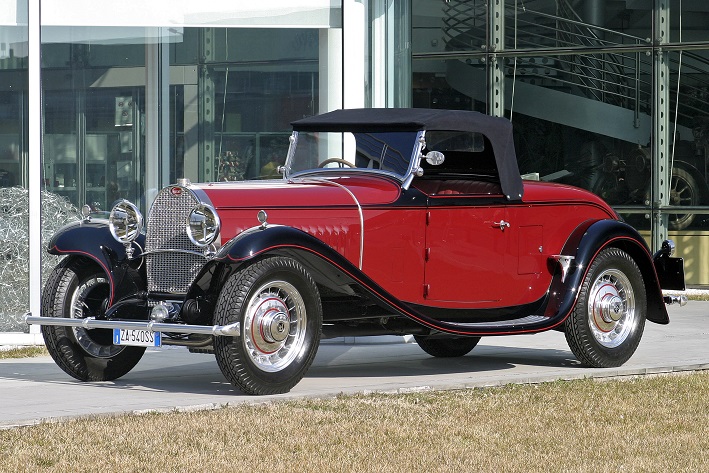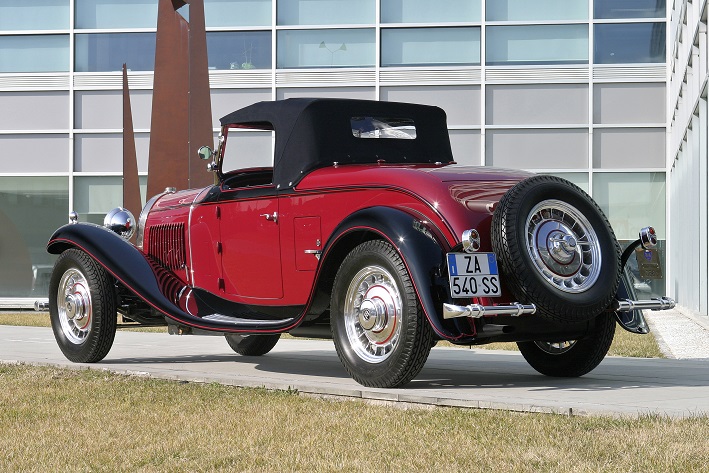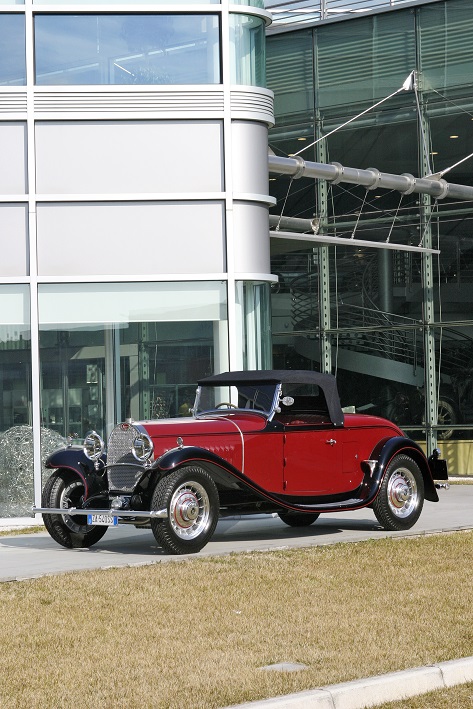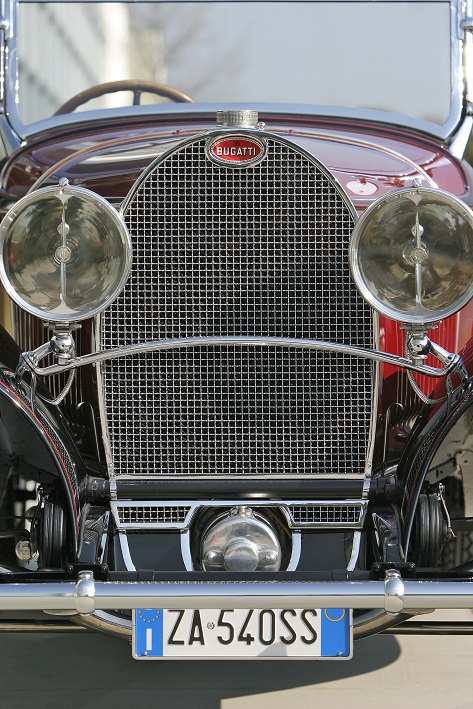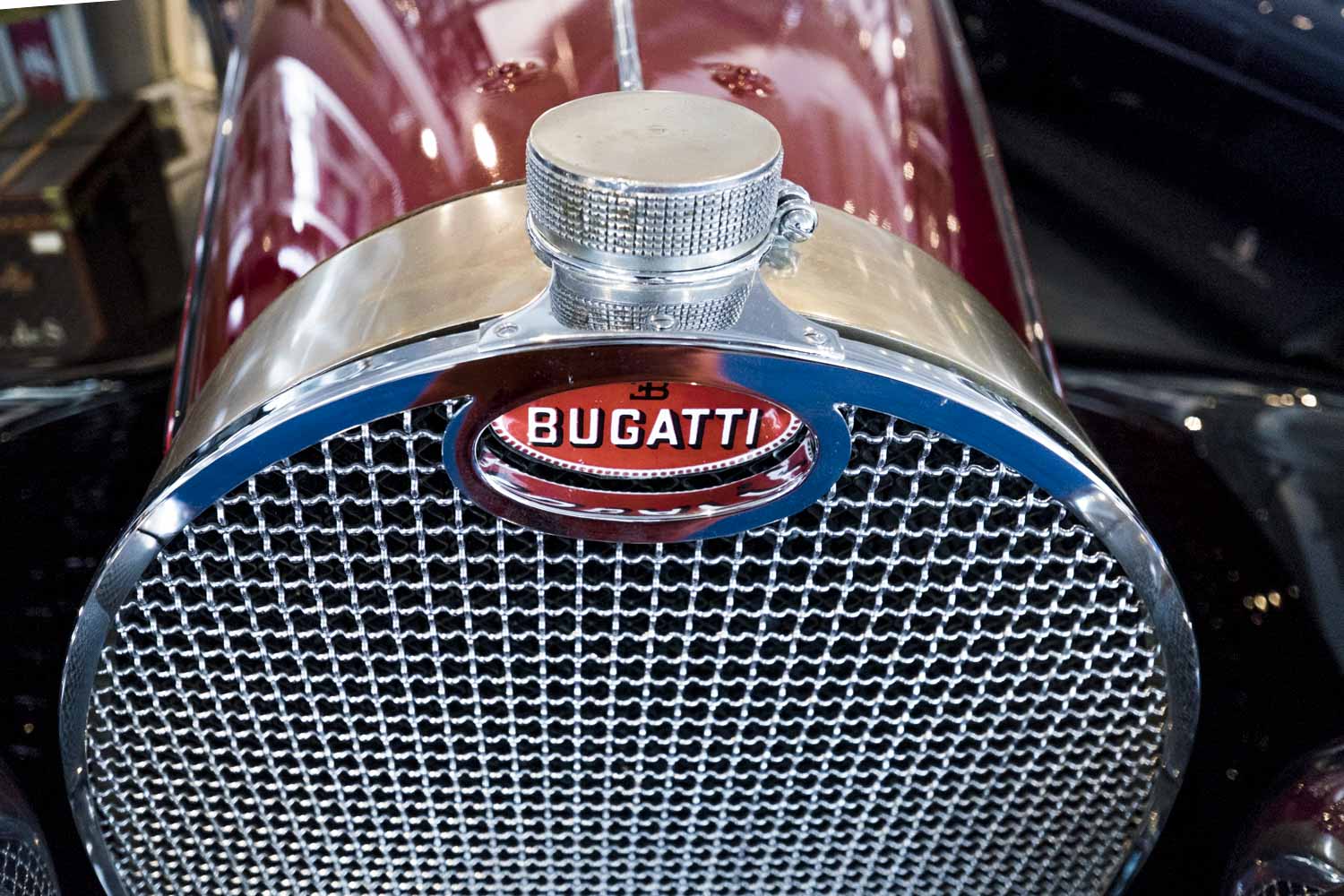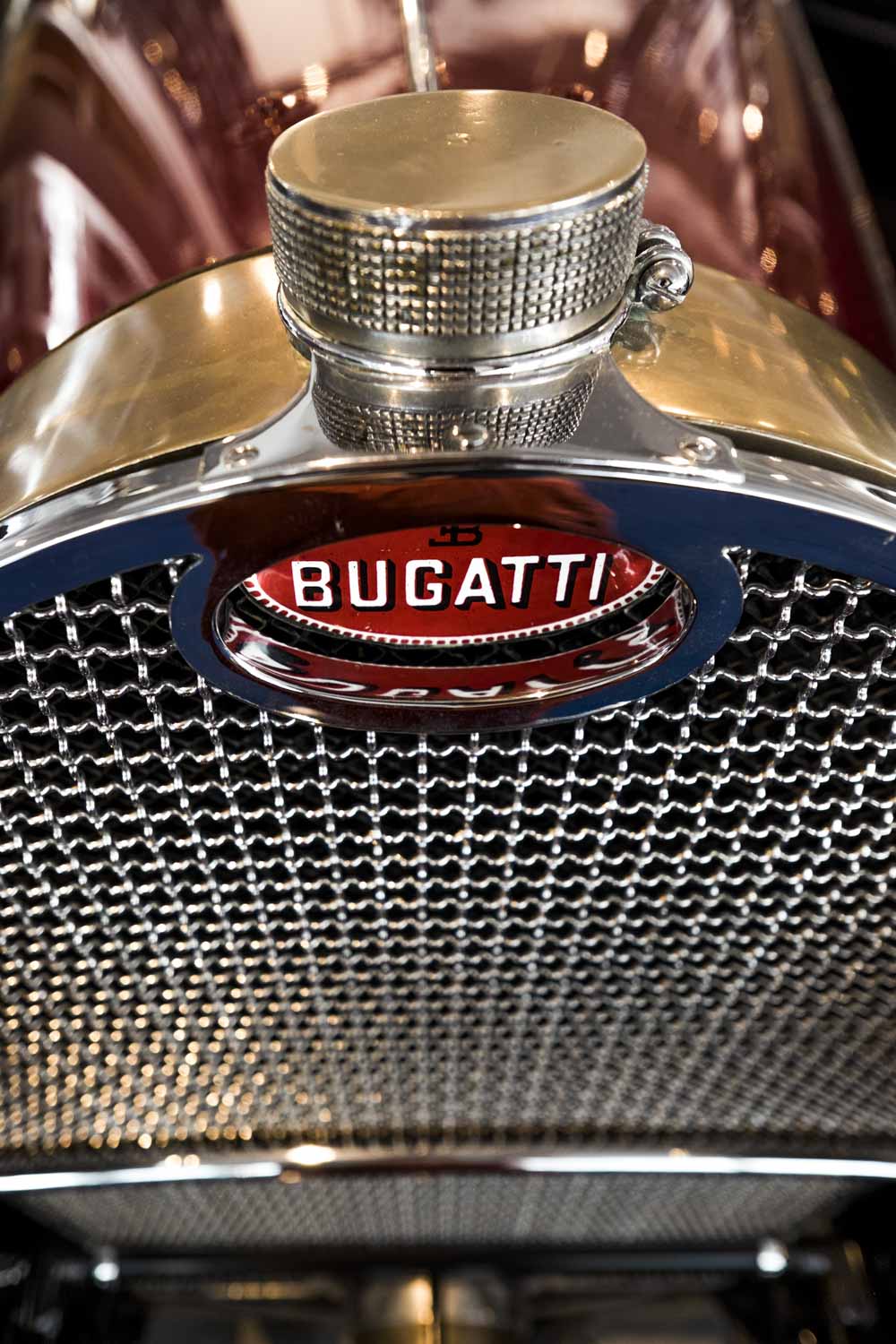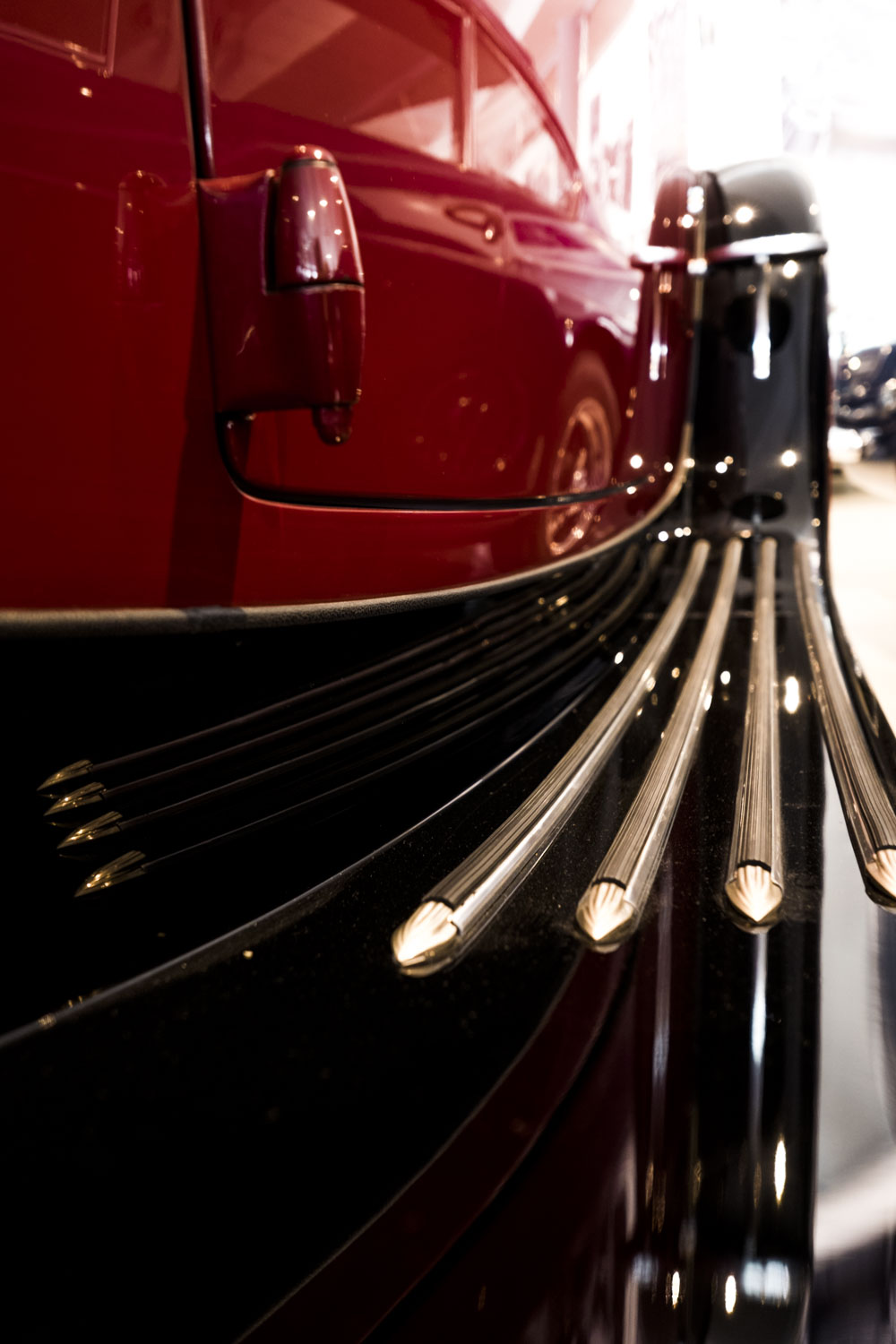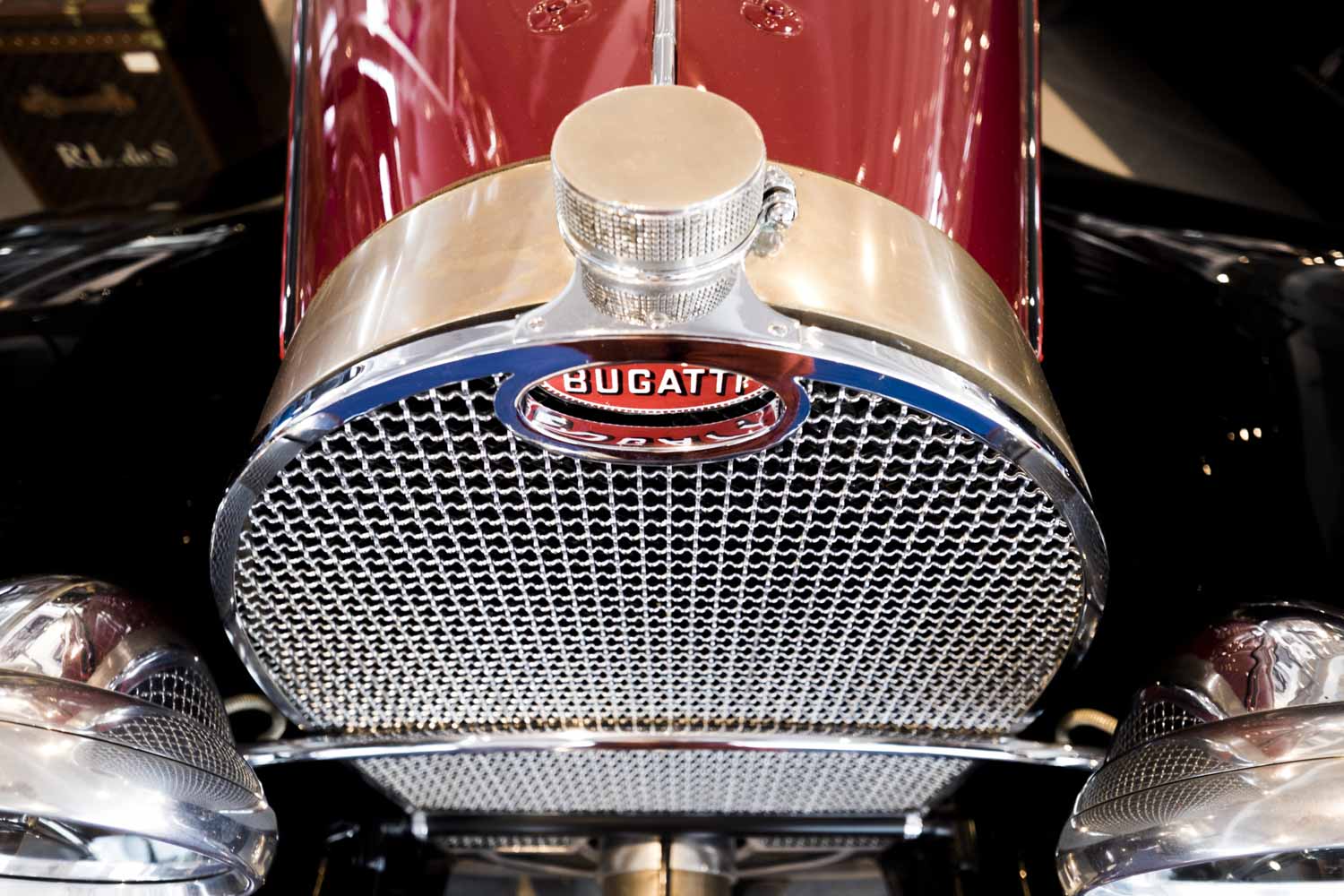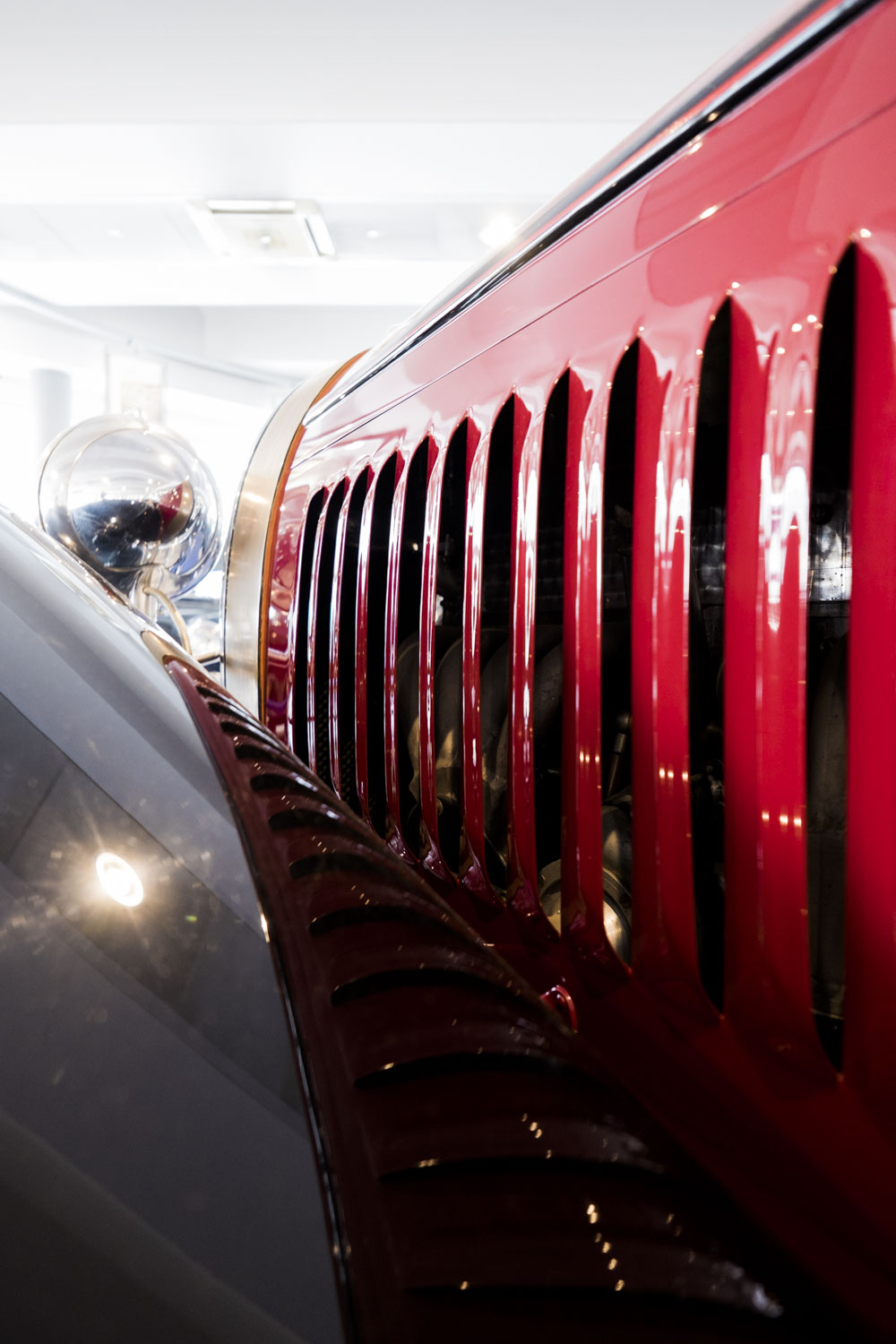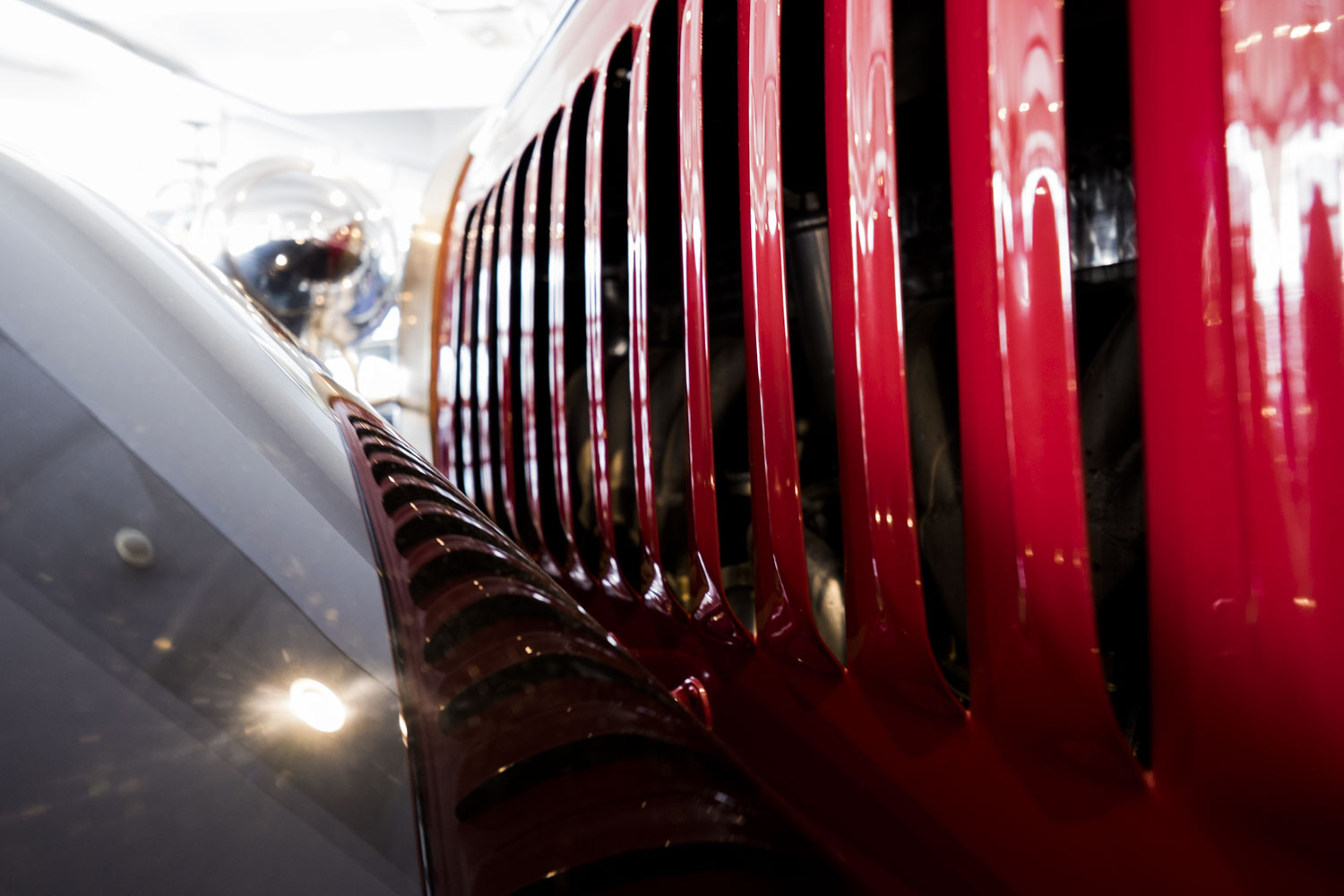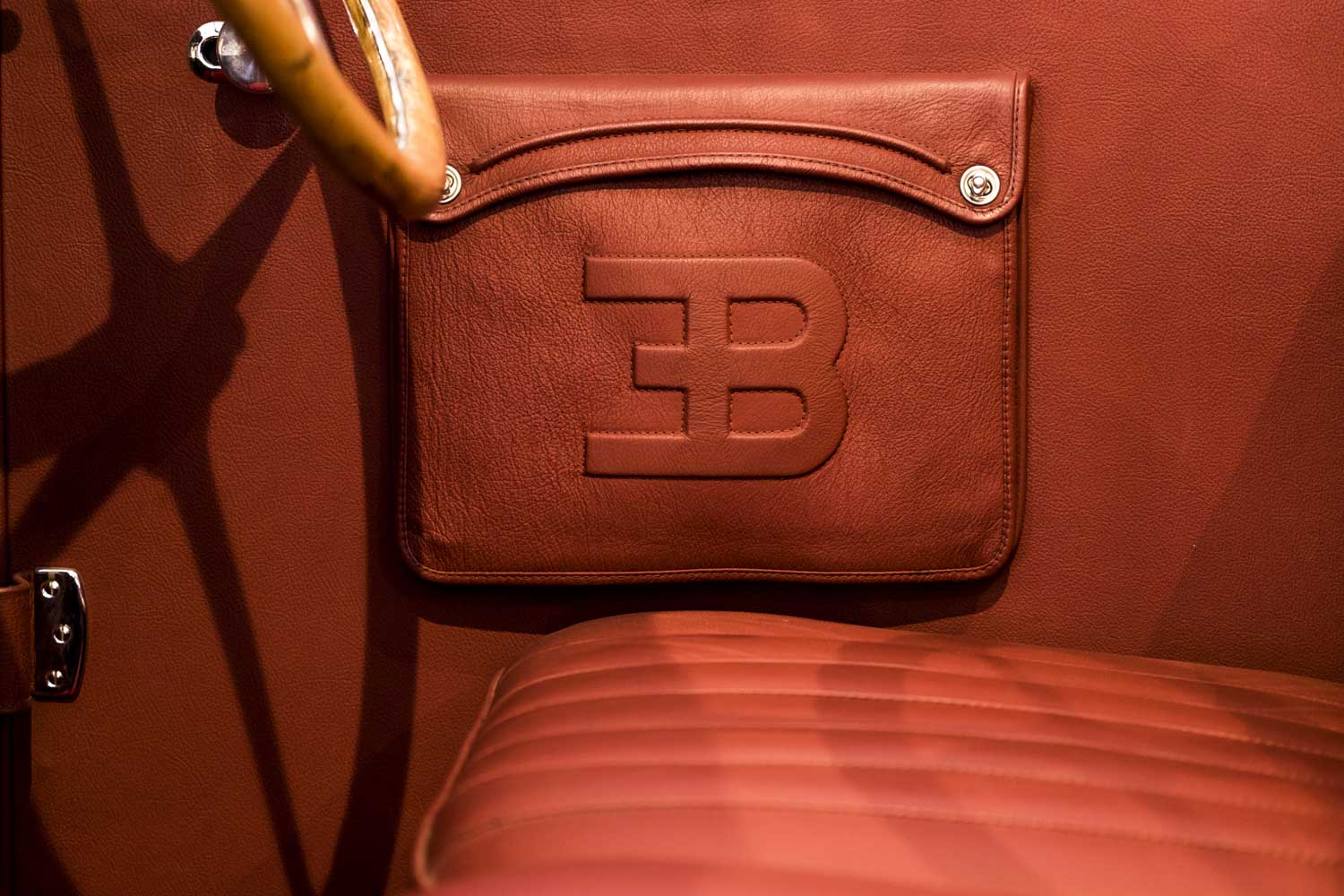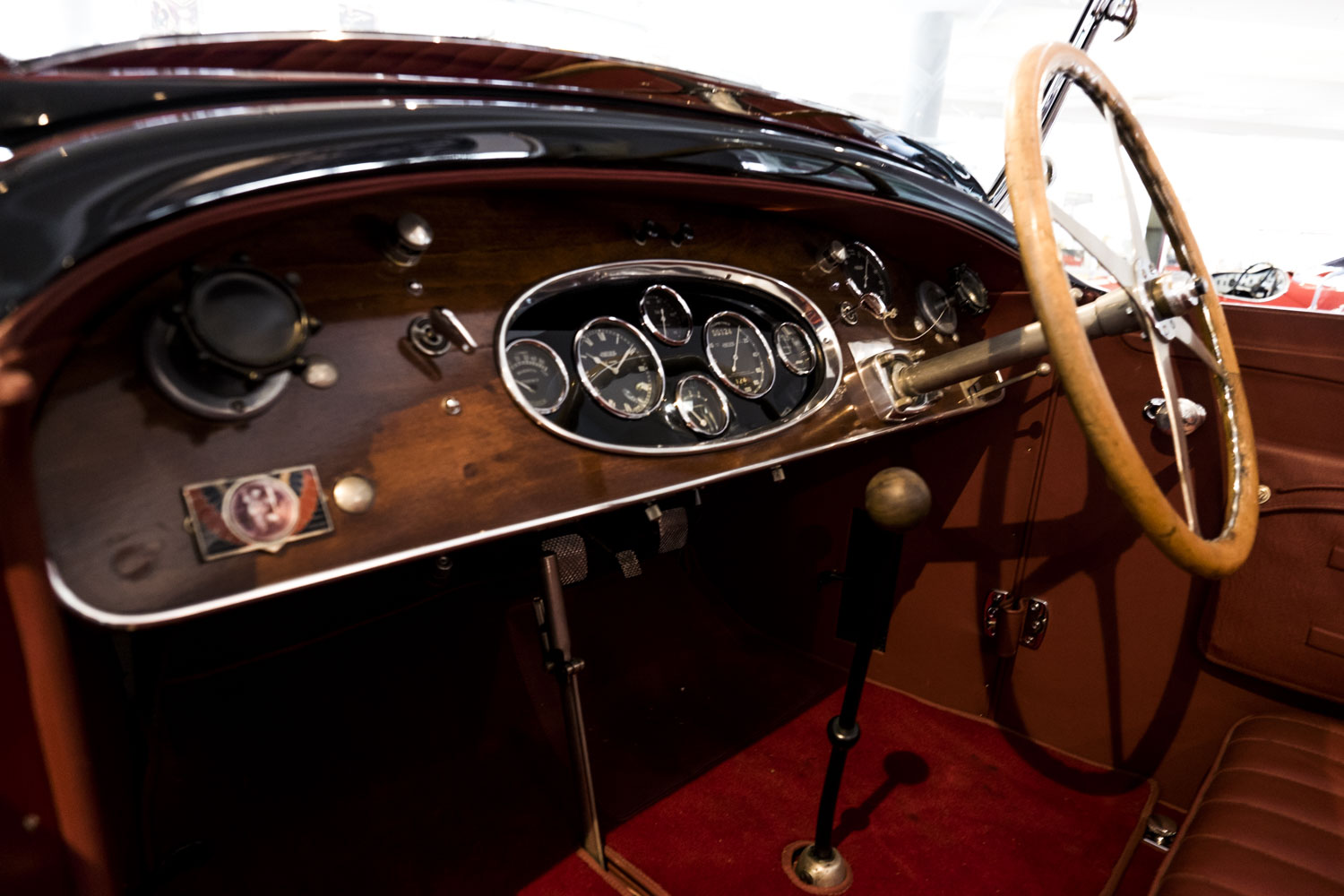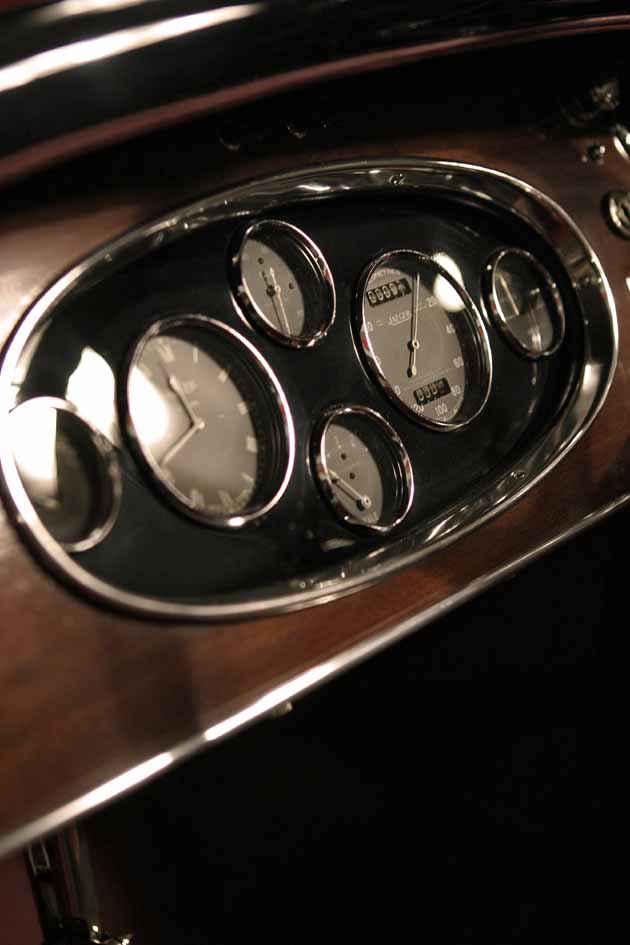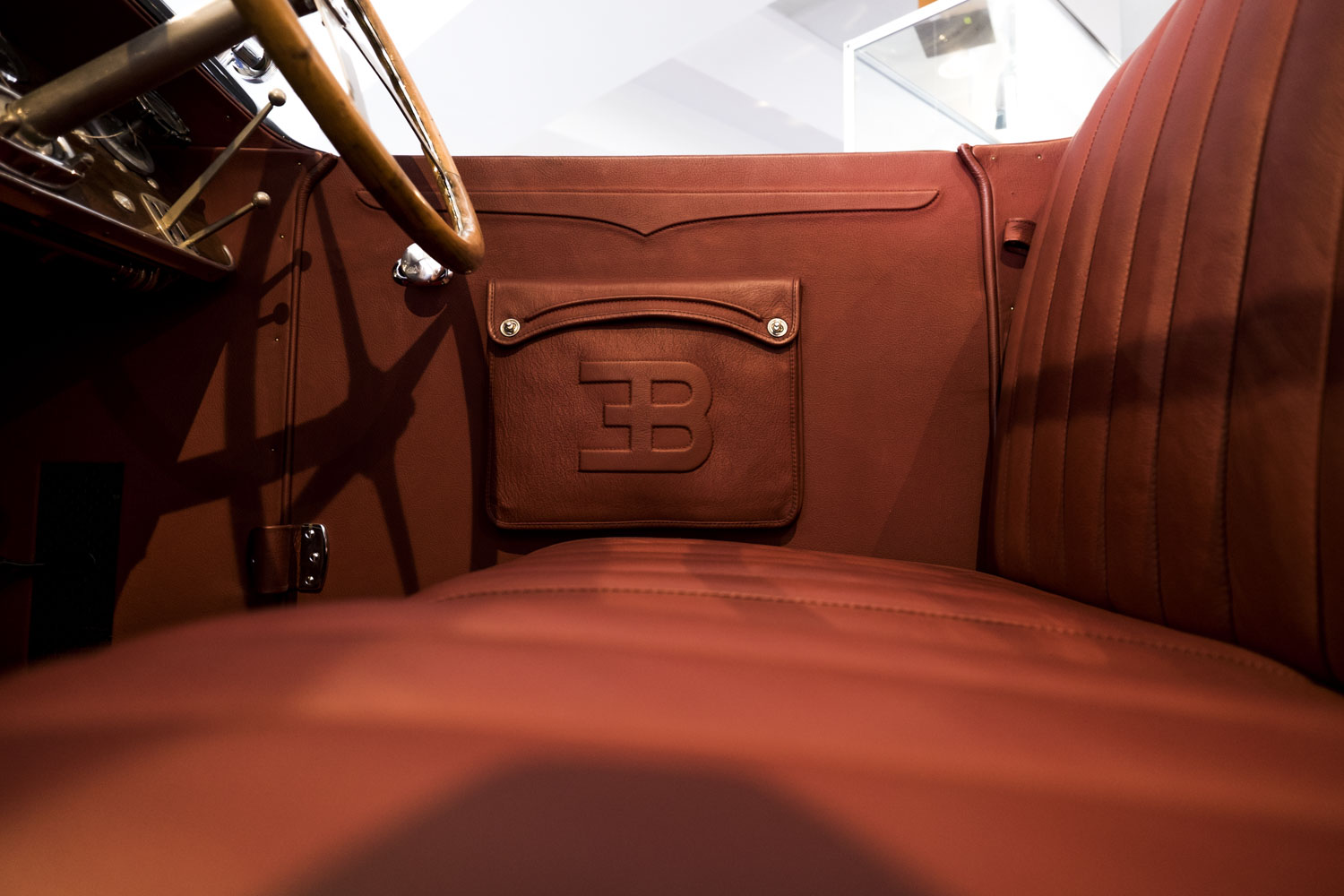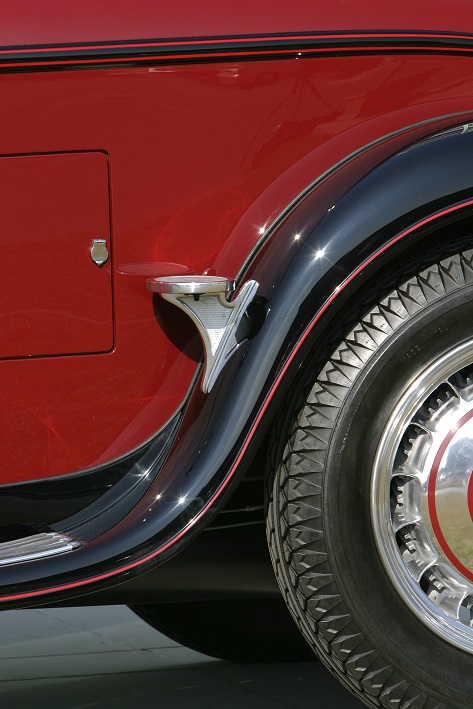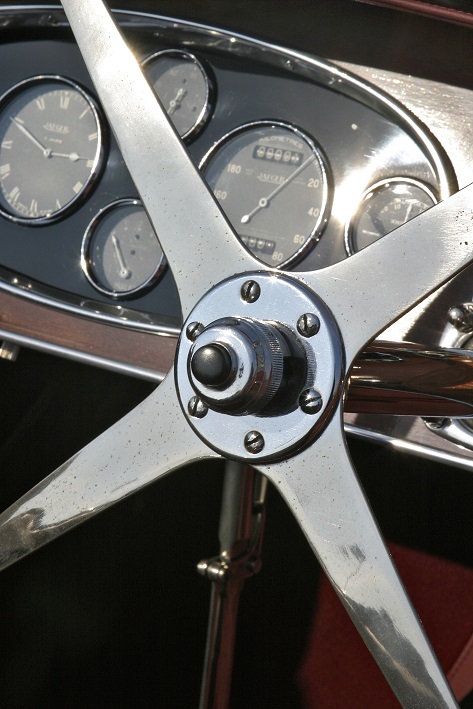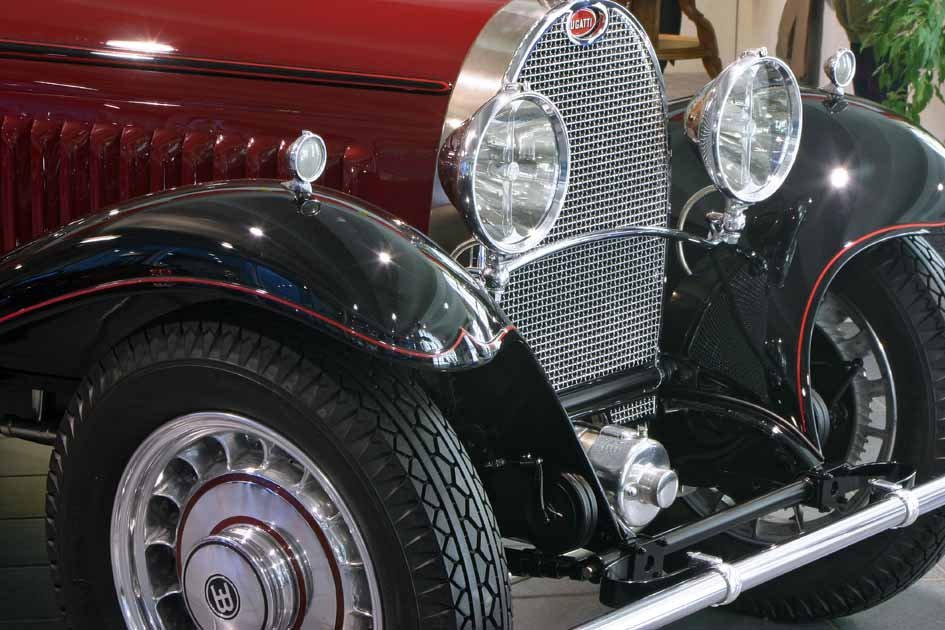
Bugatti, 1931, type 49
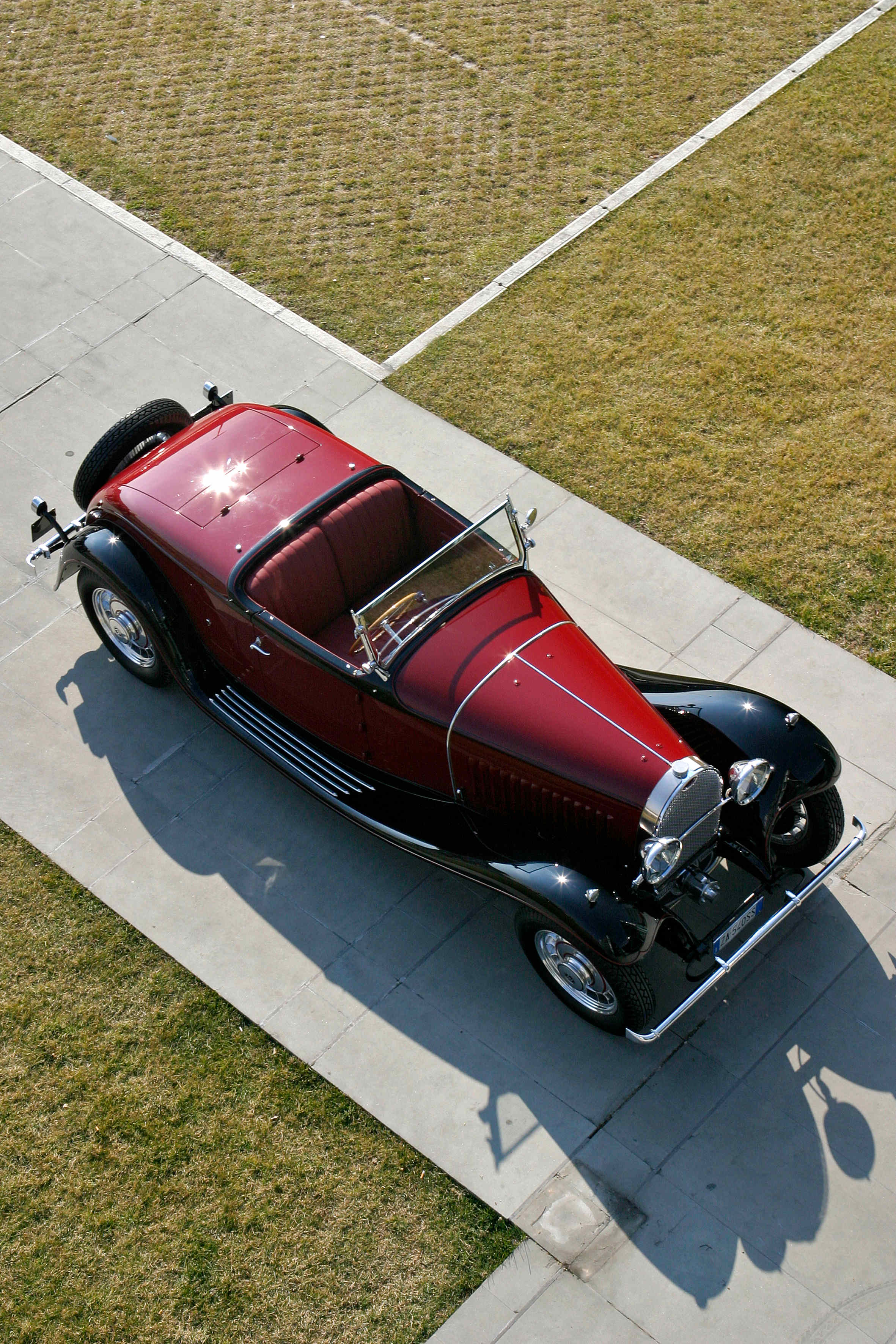
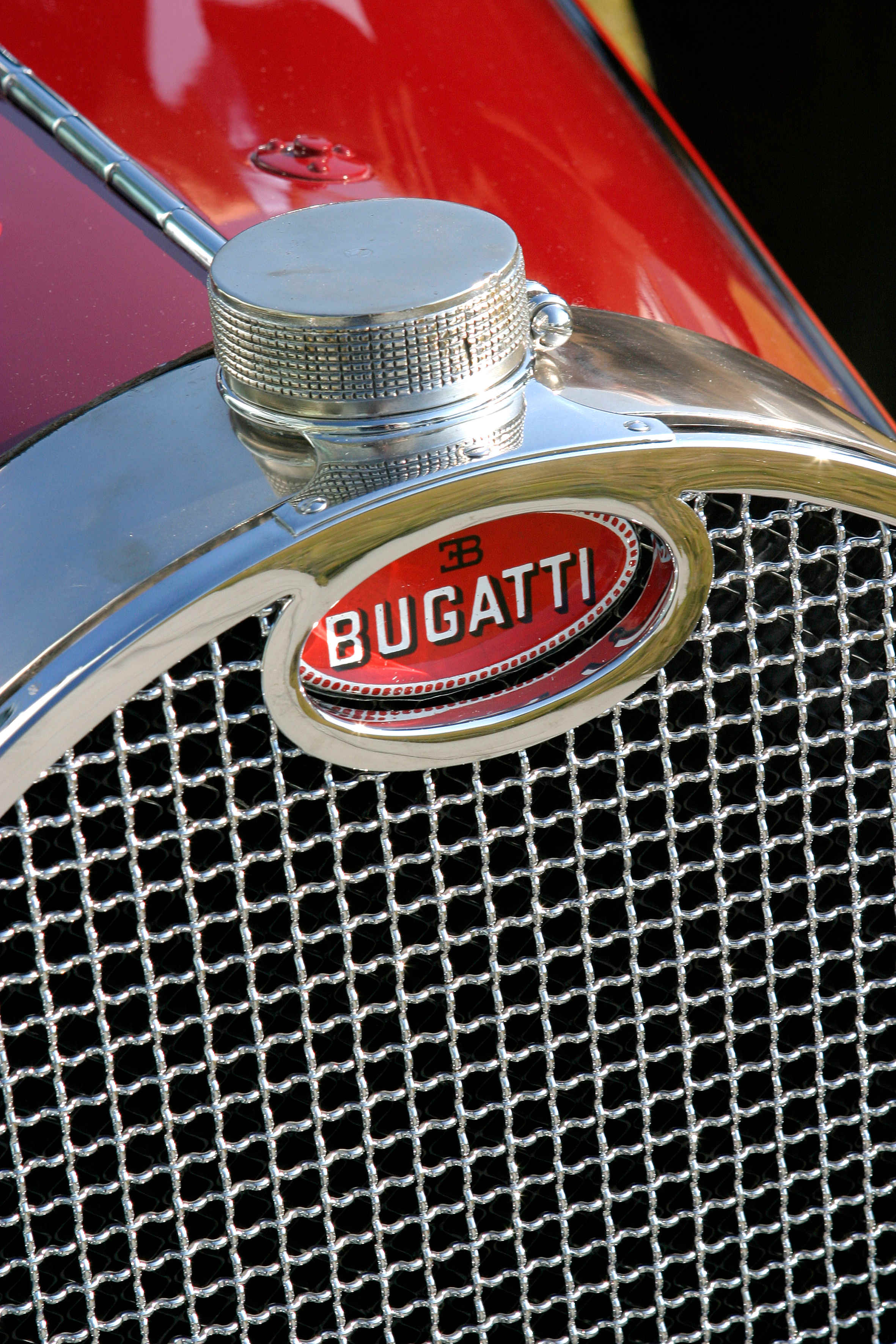
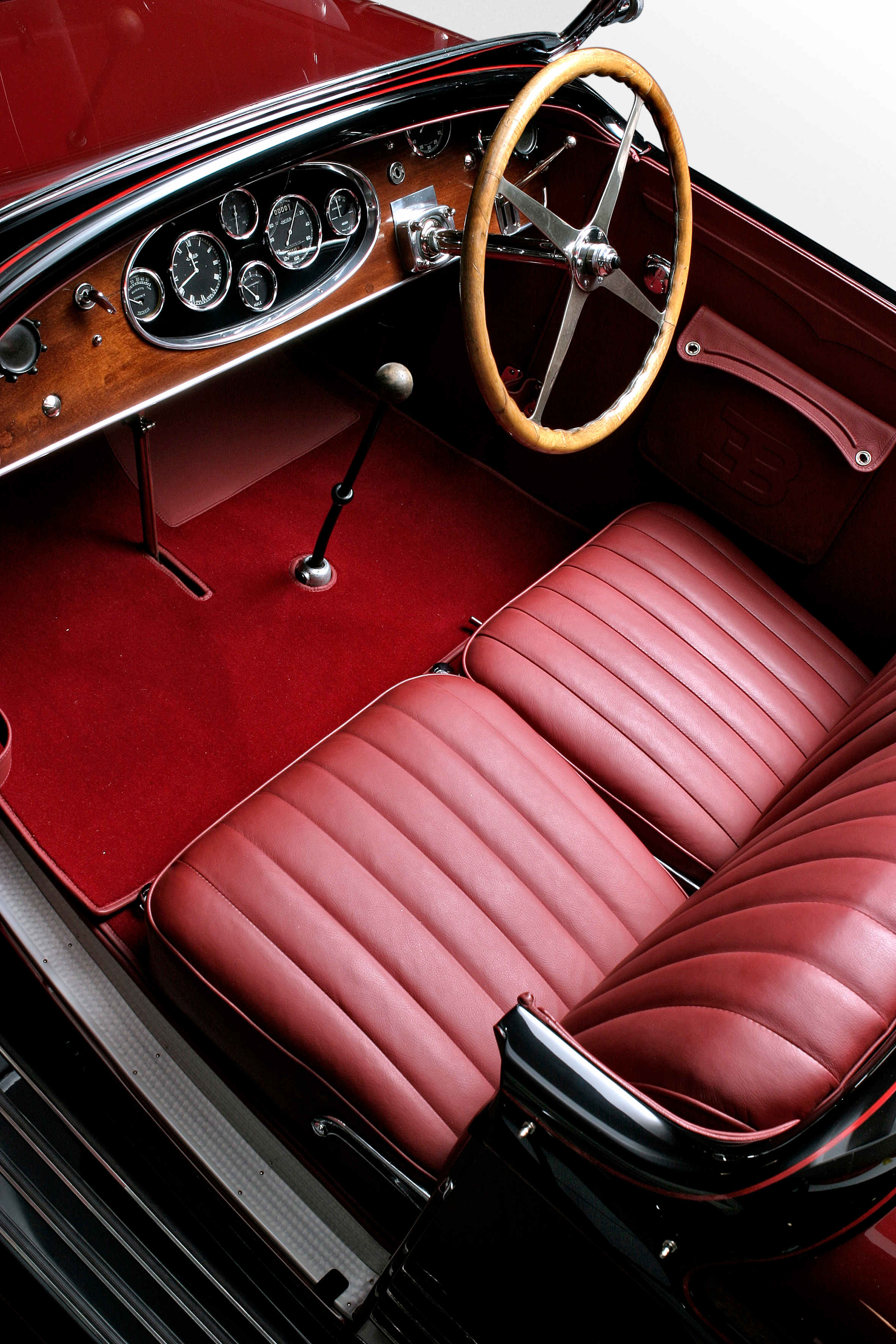
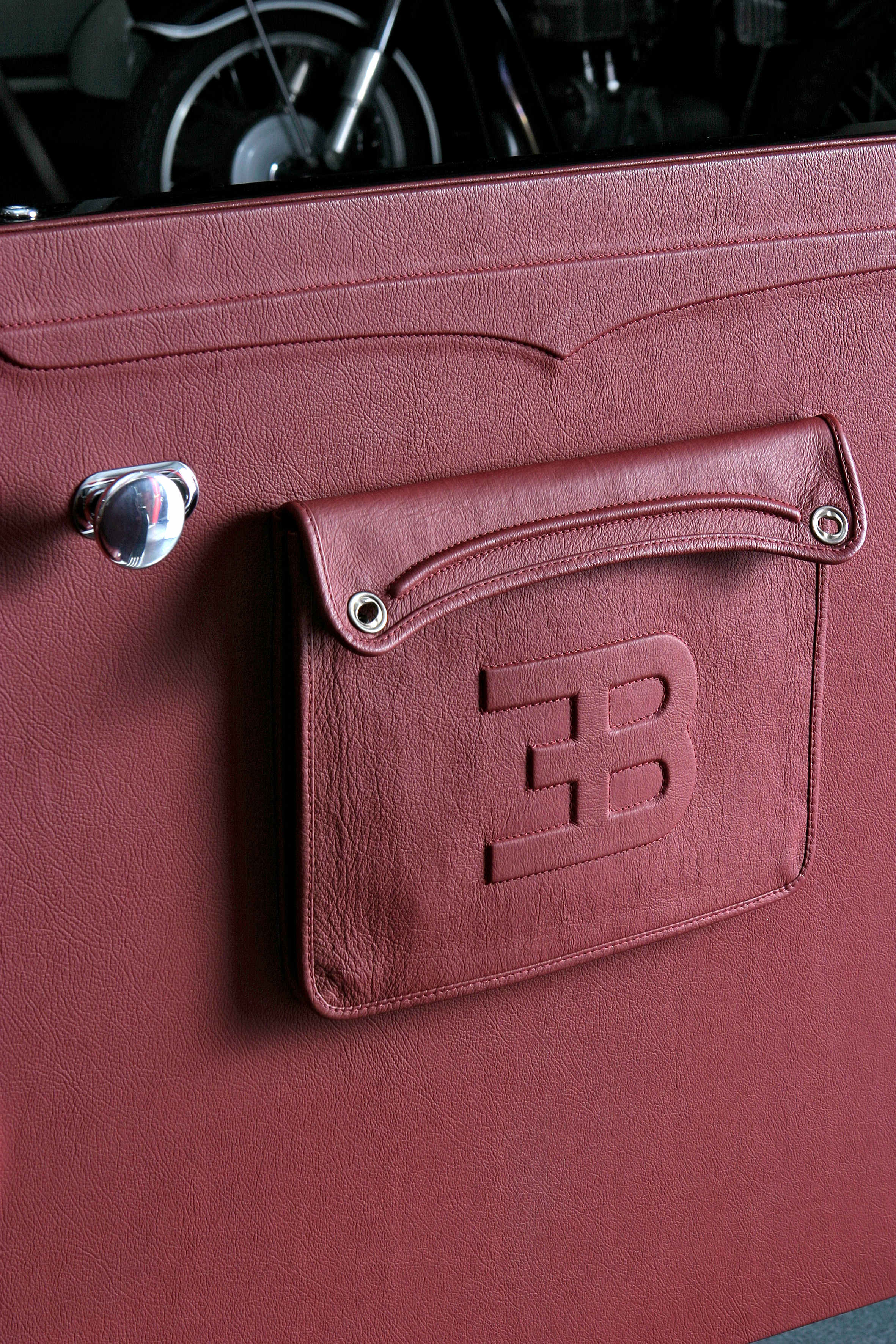
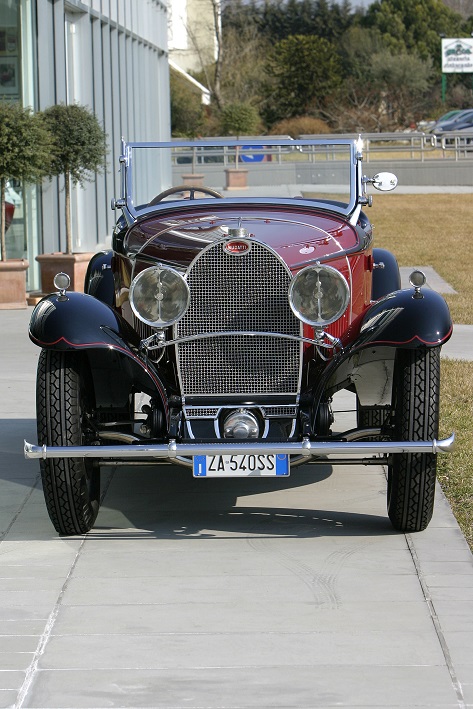
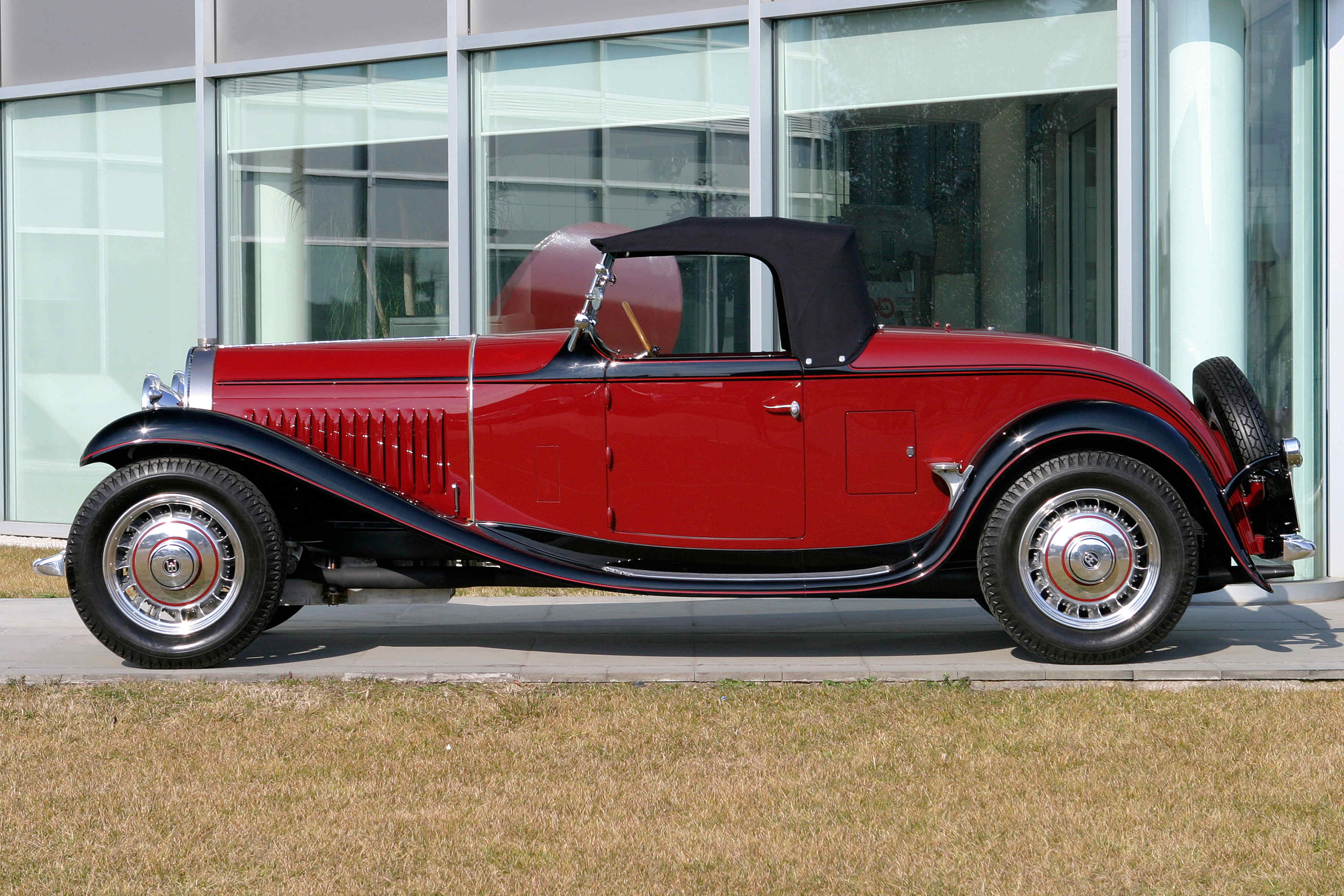
Bugatti "type 49", 1931
Born in Milan in 1881, Ettore Bugatti showed a strong passion for mechanics from a young age, particularly excelling in the remarkable fusion of functionality and aesthetics. After modifying a “Prinetti & Stucchi” tricycle by fitting it with two engines, Ettore designed his first automobile in 1899 at just 18 years old — a prelude to a symphony that would accompany the history of international motoring.
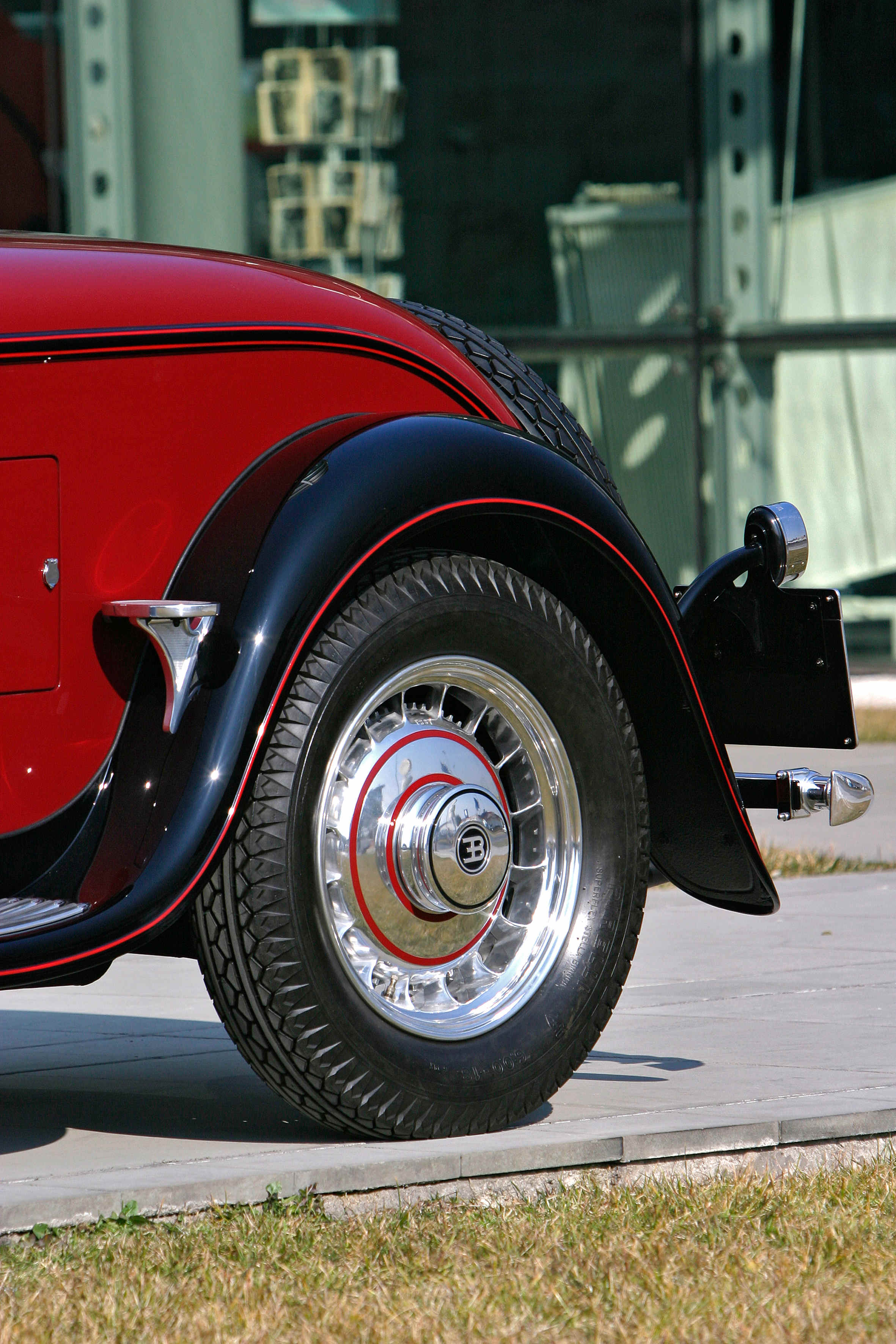
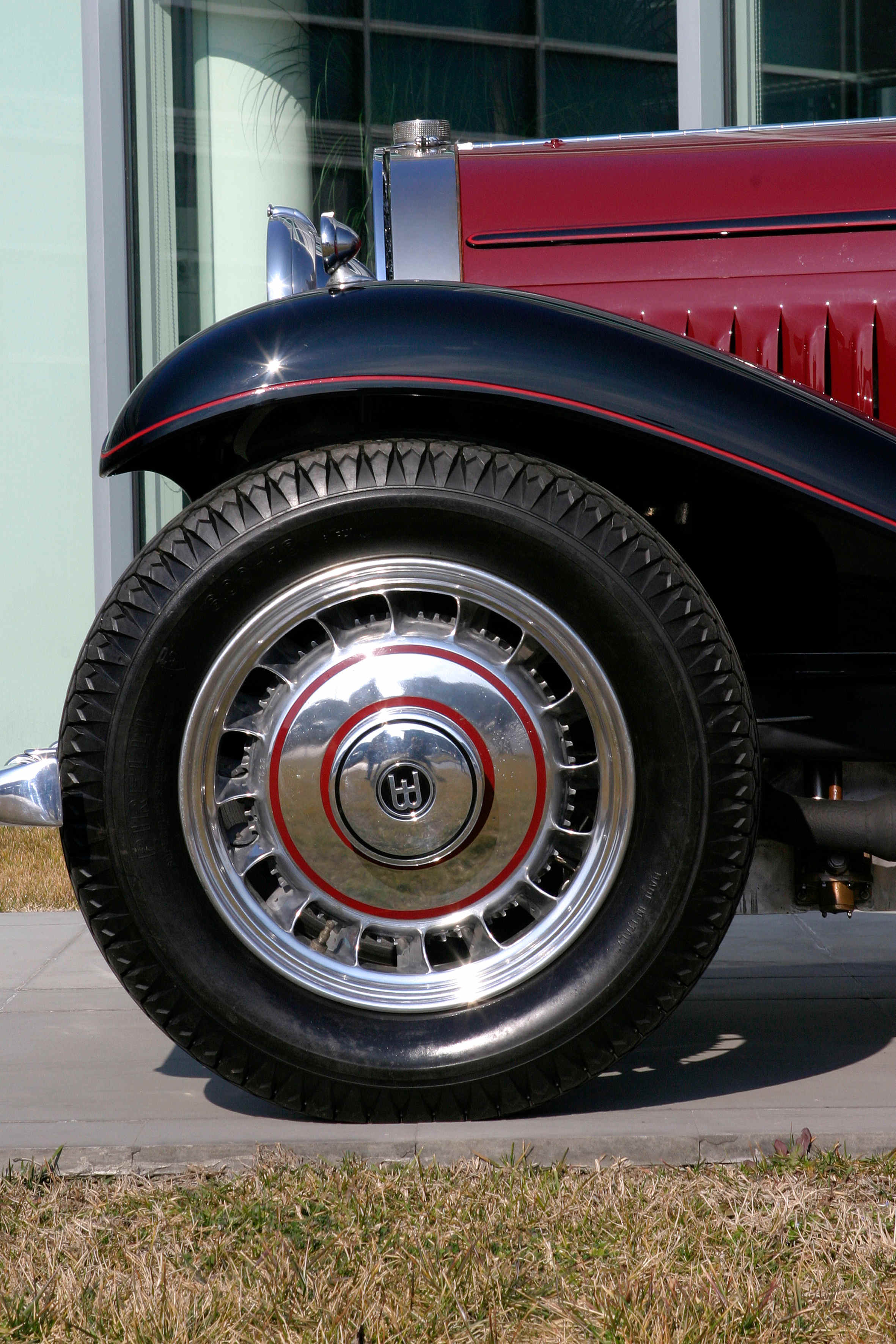
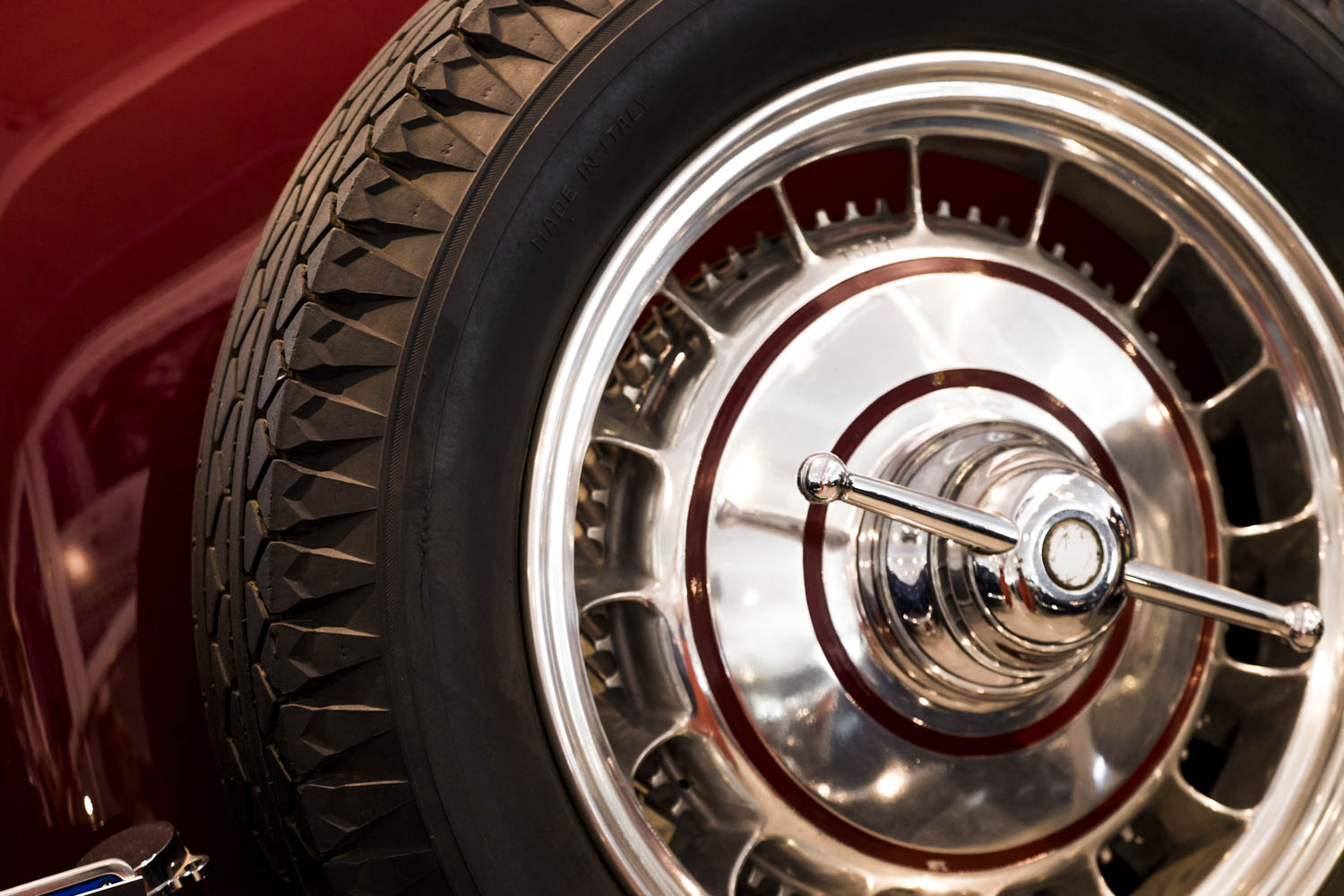
The “Type 49” was unveiled at the 1930 Paris Motor Show and is considered the last model personally designed by Ettore Bugatti before handing over the reins of the company to his son Jean. A successor to the “Type 44,” the Type 49 featured a single overhead camshaft engine with three valves per cylinder and dual ignition. Its distinctive aluminum wheels had integrated brake drums.
A classic touring Bugatti, the Type 49 was offered with various body styles — saloon, convertible, and coupé — built either by Bugatti or by some of the most prominent coachbuilders of the time.
The museum’s vehicle was driven by legendary French racing driver Louis Chiron during the 1964 Chioggia International Rally. This very car also appeared in the 1966 film Grand Prix, directed by John Frankenheimer and starring Adolfo Celi, Geneviève Page, James Garner, Françoise Hardy, and Yves Montand — a dramatic tale of Formula One drivers' victories, romances, defeats, and deaths. A tragic anecdote tied to Bugatti: in 1927, the dancer Isadora Duncan died when her scarf became entangled in the spokes of a Bugatti’s wheels.
The Bugatti Type 35, Type 37, and Type 39 were the famous racing variants produced between 1924 and 1931. The most iconic of these is the Type 35, which forged the legend of the "Bugatti thoroughbred," with over 2,000 victories on track and road — an unbeaten record to this day.
Curiosity: Have you ever heard of the "mother-in-law seat"?
This was, of course, a humorous nickname used to describe a type of extra, retractable seat — usually exposed to the elements and placed in a rather uncomfortable or disadvantaged position, such as in the trunk or even outside the main bodywork. It was commonly found in pre-war automobiles and added a touch of irony (and perhaps social commentary) to early automotive design.
Curiosity: The Baby Bugatti, the car for little princes
In the 1920s, Ettore Bugatti designed a miniature, electric-powered version of the famous Type 35 for his son Roland — a toy car meant to let him play and become familiar with driving. The little Bugatti Baby was an unexpected success among wealthy and royal families, quickly becoming a symbol of luxury for children. Even Gianni Agnelli owned one, now displayed at the Museo dell’Automobile in Turin. Today, that spirit lives on in the Baby II Type 35 Centenary Edition, a limited-scale electric replica built in just six units by British company The Little Car Company (now Hedley Studios). Though originally conceived for children, these handcrafted reproductions are true collector’s items for adults, with prices exceeding £60,000 — and expected to appreciate over time, much like works of art.
At Museo Nicolis, visitors can admire a stunning light blue Baby Bugatti, a timeless tribute to the charm of this extraordinary vintage “toy.”
Source: www.carandfriends.it
2005 Shooting, La Manovella
2014, the car won the 1st prize at the Concorso di Eleganza “Verona Legend Cars“.
2015, the car won the Best in Show prize at the International Concours d'Elegance “Poltu Quatu Classic”
2016, Garda Classic Car Show, Bardolino.
2017, Shooting, Oldtimer MARKT, Bugatti.
2018, Mostra Passione Volante, Bugatti.
2018 Poste Italiane chose Bugatti Tipo 49 of Museo Nicolis for a philatelic postcard.
2024 Shooting, Ruoteclassiche
2024 Studio Aperto MAG - Drive Up, Italia 1, Mediaset (min 02:30)
2025 Concorso d'Eleganza Varignana 1705