President
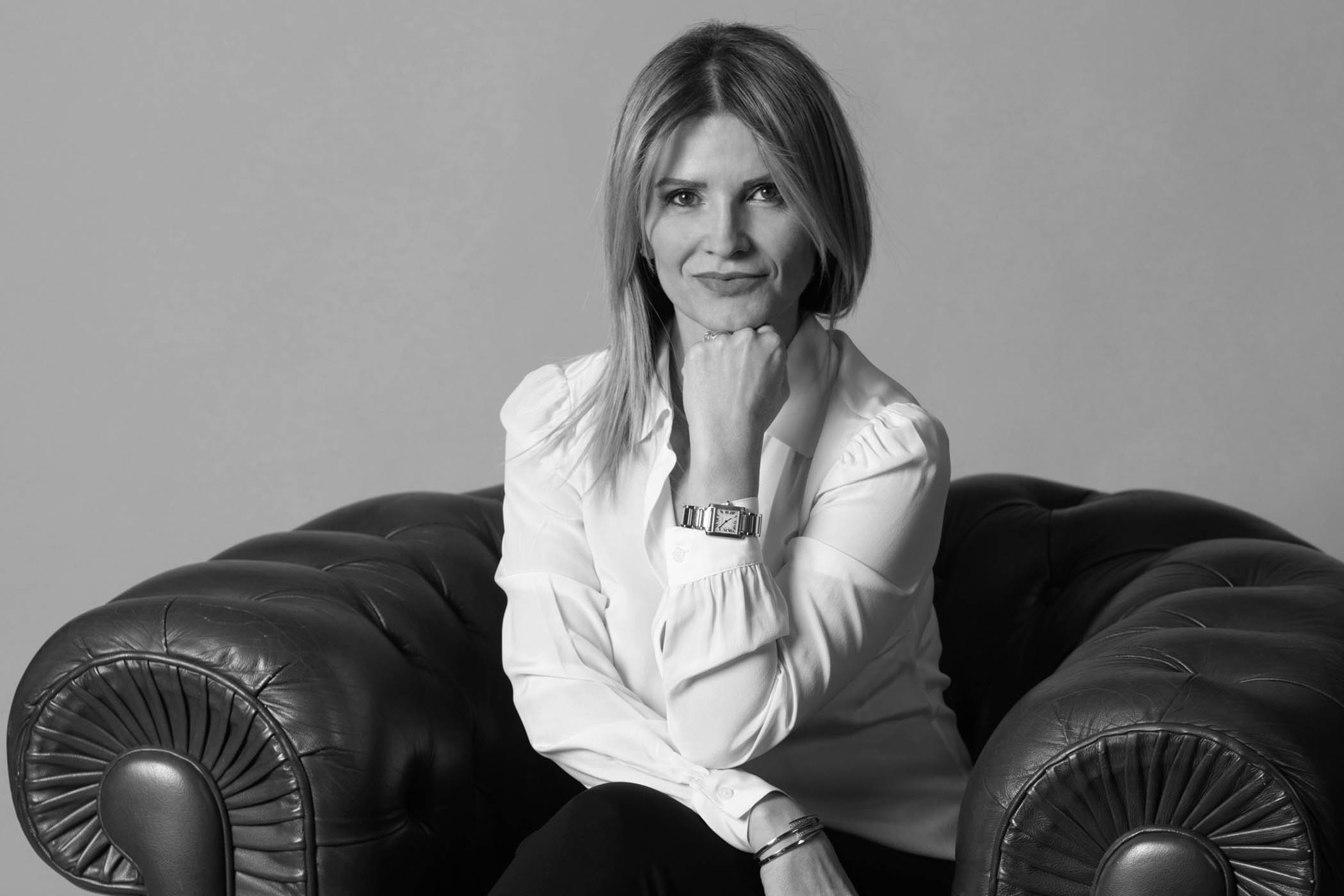
Silvia Nicolis
Silvia Nicolis is an entrepreneur and cultural manager. For over thirty years, she has been working at the intersection of business, culture, sustainability, and territorial development, promoting a growth model that combines industrial vision, social responsibility, and the enhancement of cultural heritage.Born to a German mother and an Italian father, she developed an international mindset from an early age, which has shaped both her personal and professional path. This dual cultural perspective is now a defining element of her commitment to promoting Made in Italy, business culture, and sustainable innovation.
Business, Circular Economy, and Industrial Vision
Her professional journey began within the Lamacart Group, a historic family company founded over eighty years ago by her father, Luciano Nicolis, and now a benchmark in paper recovery and recycling.Having grown up within the company, Silvia Nicolis absorbed from an early age the values of work, responsibility, and environmental awareness. She formally joined the company in the 1990s, contributing to the Group’s strategic development according to the principles of the circular economy, anticipating practices that are now central to the European industrial debate. She is currently a managing partner of the Group alongside her brother, Thomas Nicolis. Under their leadership, Lamacart became the first Italian company to receive the prestigious Papyrus Award from the BIR – Bureau of International Recycling, an international mark of excellence.
The Museo Nicolis: An International Cultural Project
In 2000, together with her father Luciano Nicolis, Silvia Nicolis founded the Museo Nicolis – Museum of Cars, Technology and Mechanics, taking on its direction from the outset and, since 2012, its presidency. The Museum spans over 6,000 square meters and hosts ten collections that narrate the 20th century through automobiles, motorcycles, bicycles, musical instruments, cameras, scientific instruments, and iconic objects of human ingenuity. Thanks to her leadership, the Museo Nicolis has established itself as a European benchmark in corporate museums and has been included among the 100 most influential classic car collections worldwide, according to the international ranking “The Key – Top of the Classic Car World.” Today, it attracts visitors from all over the world and is recognized as a powerful tool for promoting Italian industrial and cultural identity. Silvia Nicolis has developed the Museum as a cultural, educational, and tourism hub, integrating managerial approach with industrial culture. Alongside its permanent collections, the Museum hosts events, temporary exhibitions, educational workshops, training activities, a conference center, and a specialized bookstore. Over time, it has built a strong network of relationships with schools, institutions, businesses, and cultural organizations at both national and international levels. She is the creator of initiatives aimed at economic and cultural enhancement, such as the Premio Museo Nicolis all’Imprenditoria Veneta, and contributed to the inclusion of the Municipality of Villafranca di Verona in the national network Città dei Motori, which brings together municipalities and major brands representing Italian automotive excellence.
Awards and Positions
The museum project has received numerous international recognitions, including the Special Recognition of the FIVA – Fédération Internationale des Véhicules Anciens, the title of Museum of the Year at the Historic Motoring Awards in London, the Ruoteclassiche Best in Classic – Museum of the Year, and the Eccellenza dell’Anno award by ACI Storico. At the same time, Silvia Nicolis carries out an intense institutional and representative activity: she is Vice President of Confindustria Verona with responsibility for Tourism and Corporate Culture, Vice President of Museimpresa, a member of the Board of Directors of Veronafiere, and participates in numerous national bodies dedicated to corporate culture and industrial history. In 2022, she was received in audience by the President of the Republic, Sergio Mattarella, on the occasion of the twentieth anniversary of Museimpresa, in recognition of the value of corporate culture as a national heritage. Her public and professional profile has been recognized with numerous awards, including: Premio Nodo d’Amore, for the cultural and tourism enhancement of the territory; Premio Capitani dell’Anno Veneto; Premio Giulietta, for commitment, passion, and determination in her work and in the social sphere; Premio Motu Proprio – Chamber of Commerce of Verona, for the economic development of the territory; Premio Internazionale Profilo Donna; Premio AIV Impresa Lavoro; Parksmania Awards – Exhibition Vespa. She has also been appointed, in recognition of her commitment to territorial promotion and enhancement, as Nobilissima Castellana delle Terre di Suavia and Ambassador of Bardolino – Confraternita del Vino Bardolino Chiaretto DOC.
Social and Cultural Commitment
Alongside her leadership roles, Silvia Nicolis has maintained a consistent and concrete social commitment since her youth. The Museo Nicolis has always been conceived as an open and inclusive space, as demonstrated by free visits for people with vulnerabilities, educational projects, collaborations with healthcare and social organizations, and attention to accessibility. She supports initiatives aimed at local communities, youth entrepreneurial education, workplace inclusion, and women’s rights. She was among the first in Italy to allow visitors to enter with their pets.
A Vision that Connects Business and Culture
Silvia Nicolis’ professional and civic path represents an example of Italian excellence and a strong international representation of Made in Italy, as well as a continuous service to the local community and society. Her story reflects a vision in which business and culture are not separate worlds, but complementary tools for civil, economic, and social growth. A contemporary female leadership that looks to the future, engages with new generations, and places at its core the value of people, territory, and industrial memory as a living resource for tomorrow.